
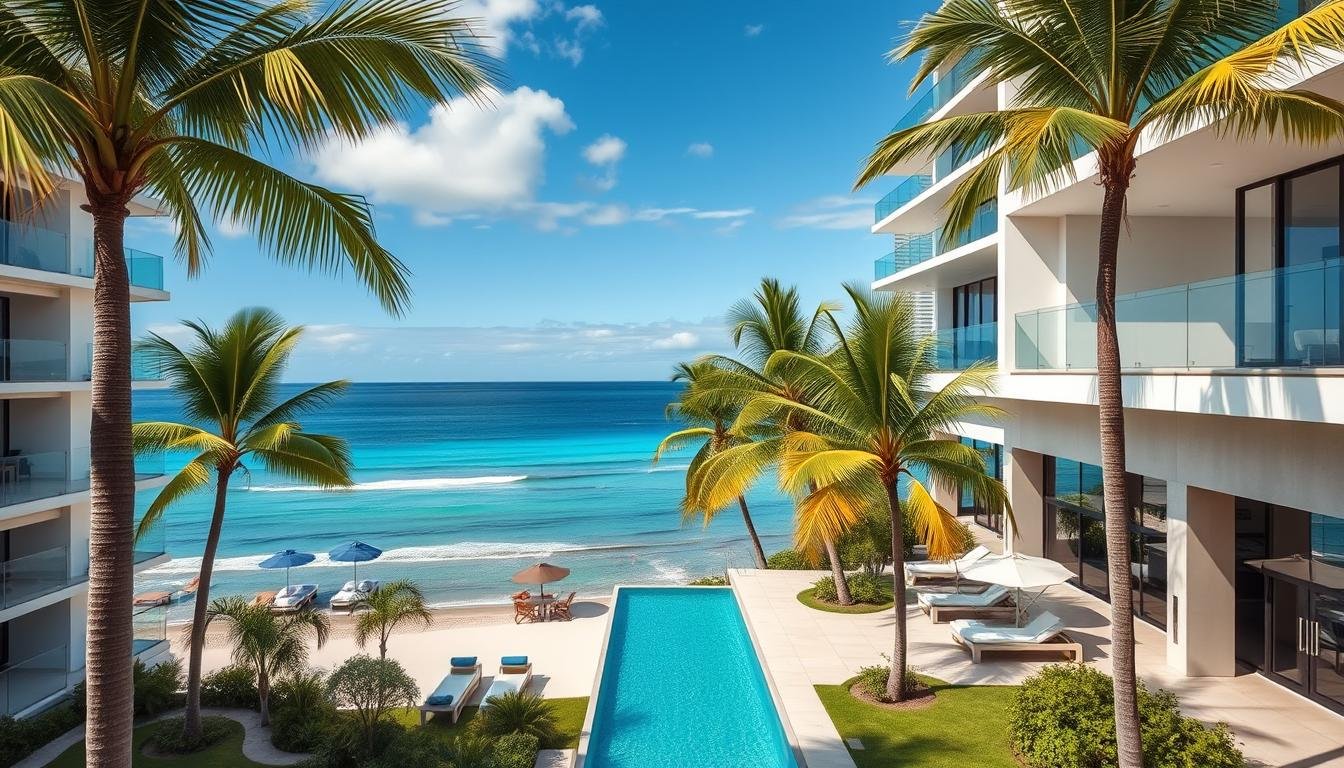
Brazil’s diverse real estate market offers compelling opportunities for foreign investors seeking strong returns and lifestyle benefits. From vibrant urban centers to stunning beachfront properties, knowing where to invest Brazil property requires understanding regional markets, legal requirements, and investment potential. This comprehensive guide explores the most promising regions, market trends, and essential considerations to help you make informed investment decisions in this dynamic South American market.
Key Investment Insights
- Brazil’s 7,491-kilometer coastline offers diverse property investment opportunities ranging from luxury villas to affordable beach houses
- Regions like Santa Catarina, Bahia, and Rio de Janeiro show strong annual property appreciation, averaging 10.7% since 2010
- Foreign investors face no restrictions when purchasing urban or beachfront properties in Brazil
- Obtaining a CPF (tax ID) is mandatory for all property transactions
- The Northeast region offers some of the best value with growing tourism infrastructure and competitive pricing
Top 5 Regions for Property Investment in Brazil
Brazil’s vast geography offers diverse investment opportunities, each with unique advantages. Here are the five most promising regions for property investment based on market growth, tourism potential, and return on investment:
1. Santa Catarina
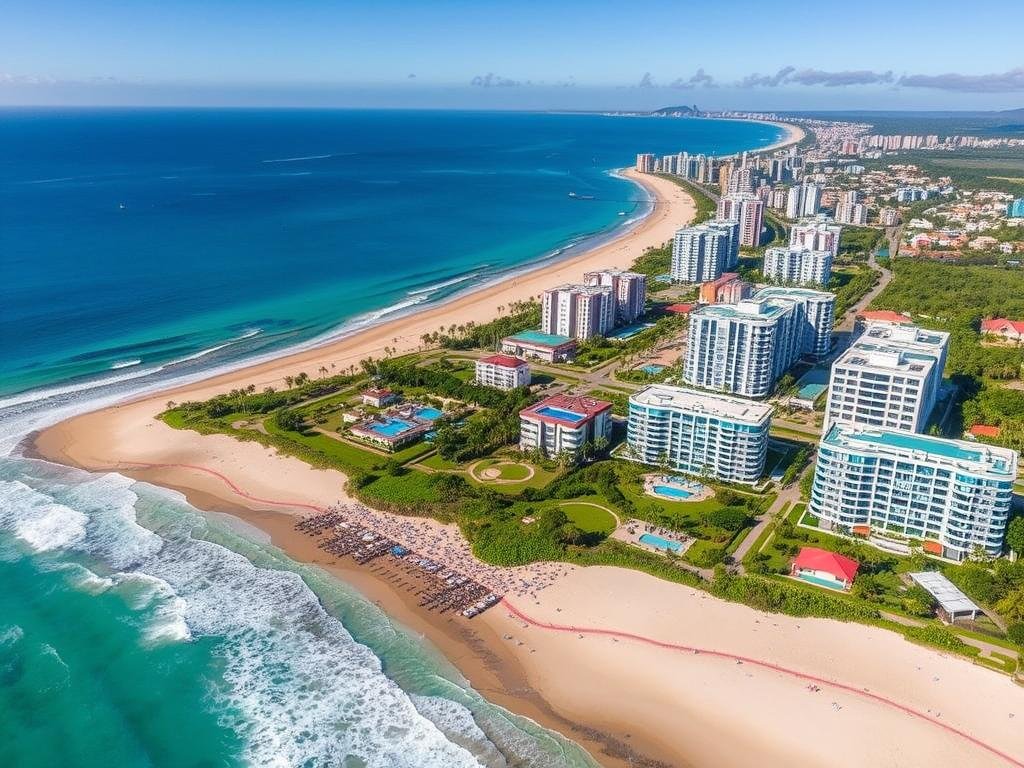
Known as the “Island of Magic,” Florianópolis in Santa Catarina combines natural beauty with urban convenience. The region attracts both domestic and international tourists year-round, creating strong rental demand.
- Price Range: Premium beachfront condos start at US$500,000
- Annual Appreciation: 14% average since 2018
- Rental Yield: 8-12% for vacation rentals
- Best For: Luxury vacation homes and high-end rental properties
Balneário Camboriú, often called the “Brazilian Dubai,” features high-rise luxury apartments with ocean views and world-class amenities, making it a prime location for upscale property investments.
2. Rio de Janeiro

Rio de Janeiro offers iconic beachfront locations like Copacabana and Ipanema that remain perennially popular with tourists and wealthy Brazilians. The city’s international appeal creates a stable market for high-end properties.
- Price Range: Premium beachfront condos exceed US$1 million
- Annual Appreciation: 9% average since 2018
- Rental Yield: 6-10% for premium locations
- Best For: Premium investments with strong rental potential
Búzios, a coastal resort town near Rio, offers a more relaxed atmosphere with upscale properties and strong appeal to both domestic and international tourists.
3. Northeast Region (Bahia, Pernambuco, Ceará)

Brazil’s Northeast offers some of the country’s most beautiful beaches and growing tourism infrastructure. Areas like Porto de Galinhas in Pernambuco and Praia do Forte in Bahia combine natural beauty with developing luxury markets.
- Price Range: Beachfront homes from US$200,000
- Annual Appreciation: 13-15% in developing areas
- Rental Yield: 8-14% for vacation rentals
- Best For: Growth potential and affordable luxury
Fortaleza in Ceará has seen significant infrastructure development and is now Brazil’s top domestic tourism destination, with growing international interest and direct flights from Europe.
Regional Investment Comparison
When deciding where to invest Brazil property, comparing key metrics across regions can help identify the best opportunities for your investment goals and budget:
| Region | Average Price (USD) | Annual Growth | Rental Yield | Tourism Growth | Investment Risk |
| Santa Catarina | $175,000 – $600,000 | 14% | 8-12% | High | Low |
| Rio de Janeiro | $250,000 – $1,200,000 | 9% | 6-10% | Stable | Medium |
| Bahia | $150,000 – $450,000 | 13% | 7-11% | Growing | Medium |
| Pernambuco | $160,000 – $500,000 | 15% | 8-13% | Rapidly Growing | Medium |
| Ceará (Fortaleza) | $147,000 – $400,000 | 16% | 9-14% | Rapidly Growing | Medium-High |
“O Nordeste está em alta com projetos turísticos e infraestrutura em desenvolvimento, oferecendo as melhores oportunidades de valorização para investidores estrangeiros nos próximos cinco anos.”
Market Trends and Growth Opportunities

Understanding current market trends is essential when deciding where to invest Brazil property. Several key factors are driving growth in specific regions:
Tourism Hotspots
Areas experiencing tourism growth offer strong rental potential and appreciation. The Northeast region has seen a 25% increase in tourism over the past two years, with Fortaleza emerging as Brazil’s top domestic tourism destination. International tourism is also growing, with new direct flights from Europe and the United States.
Porto de Galinhas in Pernambuco and Praia do Forte in Bahia are seeing significant development of luxury resorts and vacation homes, creating opportunities for investors to enter these markets before prices rise further.
Infrastructure Development
Government investment in infrastructure significantly impacts property values. Regions benefiting from new airports, improved roads, and expanded utilities often see property appreciation follow. Ceará has received substantial investment in its international airport, port facilities, and road networks, enhancing connectivity and attractiveness to investors.
The expansion of renewable energy projects, particularly wind farms in the Northeast, is creating economic growth that supports real estate appreciation in surrounding areas.
Urban Revitalization
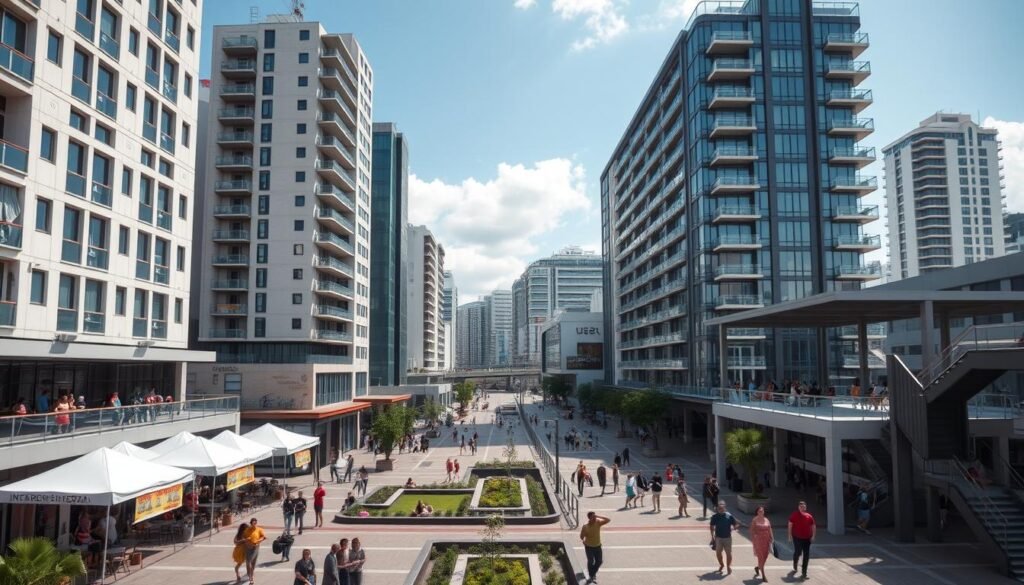
Several Brazilian cities are undergoing urban renewal projects that create investment opportunities. In Rio de Janeiro, the revitalization of the port area has transformed previously overlooked neighborhoods into desirable locations. Similar projects in Fortaleza and Recife are creating new investment zones with strong growth potential.
Digital Nomad Destinations
The rise of remote work has created demand for properties in locations that combine lifestyle benefits with good internet connectivity. Florianópolis has emerged as a tech hub and digital nomad destination, driving demand for both short and long-term rentals in the area.
Legal Requirements for Foreign Investors
Foreign investors can purchase urban and beachfront properties in Brazil with the same rights as Brazilian citizens. However, understanding the legal process is essential to avoid complications:
Essential Requirements
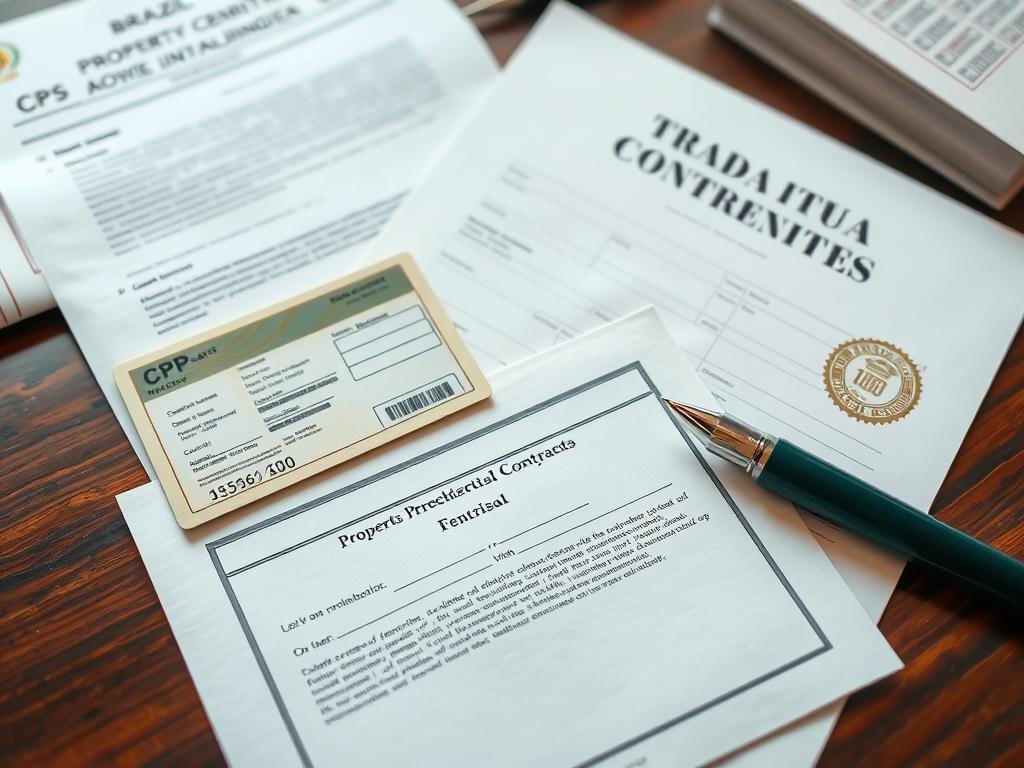
- Obtain a CPF Number (Cadastro de Pessoas Físicas) – This tax identification number is mandatory for all property transactions in Brazil. It can be obtained through Brazilian consulates abroad or through an attorney with power of attorney.
- Open a Brazilian Bank Account – While not strictly required, having a local bank account simplifies the transfer of funds and payment of ongoing expenses like property taxes and utilities.
- Hire a Qualified Attorney – Legal representation is highly recommended to navigate the Brazilian property system, conduct due diligence, and ensure proper documentation.
- Property Registration – All transactions must be registered with the local property registry office (Cartório de Registro de Imóveis) to legally transfer ownership.
Purchase Process Overview
- Property Selection and Offer – Identify a property and make an offer, typically communicated informally at first.
- Due Diligence – Verify the property’s legal status, ensuring it has clear title and no outstanding debts or liens.
- Promessa de Compra e Venda – Sign a purchase agreement outlining terms and conditions, typically with a 10% down payment.
- Escritura Pública – Create a public deed with a notary, which serves as the official transfer document.
- Payment of ITBI Tax – Pay the property transfer tax (approximately 2% of the property value).
- Registration – Register the deed with the property registry to complete the transfer.
Important: All international money transfers for property purchases must be made through Brazil’s Central Bank system. This ensures legal compliance and proper documentation of the transaction’s origin.
ROI Expectations and Risk Factors
Understanding potential returns and associated risks is crucial when deciding where to invest Brazil property:
Return Potential
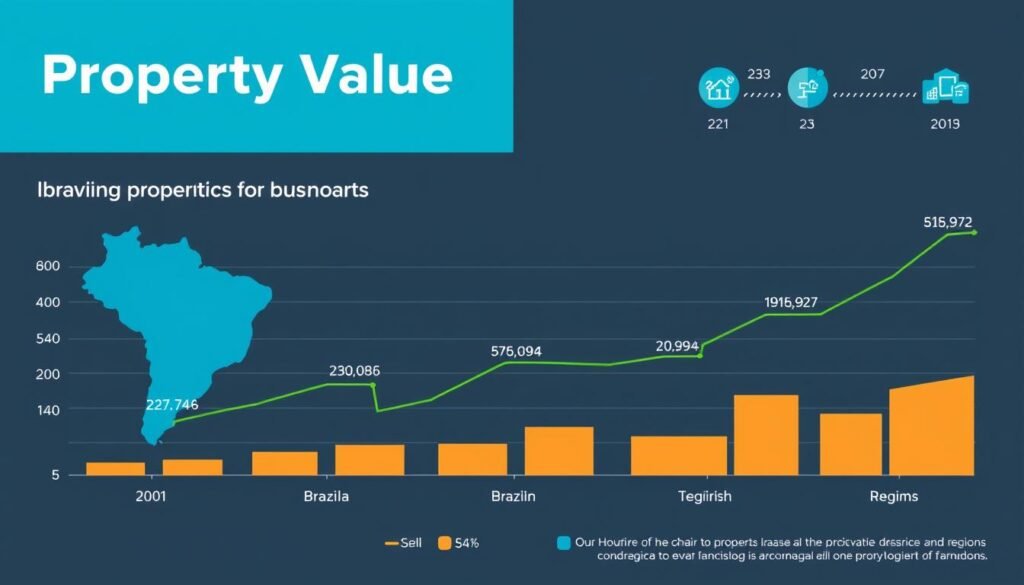
- Capital Appreciation: Brazilian beachfront properties have shown average annual appreciation of 10.7% since 2010, with emerging areas in the Northeast seeing even higher rates of 13-16%.
- Rental Income: Vacation rentals in tourist areas can generate yields of 8-14%, with higher returns during peak seasons.
- Currency Advantage: Foreign investors benefit from favorable exchange rates, effectively discounting property prices and enhancing potential returns when calculated in dollars or euros.
Risk Factors
- Currency Fluctuations: The Brazilian Real can be volatile, affecting the value of your investment when converted back to your home currency.
- Bureaucracy: Brazil’s complex legal system and paperwork requirements can delay transactions and increase costs.
- Market Liquidity: Some regions may have limited buyer pools, potentially extending the time needed to sell a property.
- Economic Volatility: Brazil’s economy can experience significant fluctuations, impacting property values and rental demand.
Investment Advantages
- Strong appreciation potential in developing coastal areas
- High rental yields, especially in tourist destinations
- Favorable exchange rates for foreign investors
- No restrictions on foreign ownership of urban and beachfront properties
- Relatively low property taxes compared to North America and Europe
Investment Challenges
- Complex legal system requiring specialized knowledge
- Currency volatility affecting USD/EUR returns
- Potential for unexpected taxes or regulatory changes
- Property management challenges for remote owners
- Variable quality of construction in some regions
“Investidores estrangeiros que trabalham com parceiros locais confiáveis e entendem o mercado brasileiro têm visto retornos consistentes de dois dígitos, especialmente em propriedades à beira-mar bem administradas.”
Tips for First-Time Buyers

For those new to the Brazilian property market, these practical tips can help ensure a successful investment:
Essential Strategies
- Contrate um consultor local para evitar problemas legais – Hire a local consultant or attorney who specializes in real estate transactions for foreign buyers. Their expertise can help you navigate legal complexities and avoid costly mistakes.
- Visit Before Buying – Whenever possible, visit the property and surrounding area in person before finalizing a purchase. This allows you to assess the location, infrastructure, and potential rental appeal firsthand.
- Understand All Costs – Beyond the purchase price, budget for additional expenses including transfer tax (ITBI ~2%), notary fees, registration costs, and ongoing property taxes (IPTU).
- Consider Property Management – If you plan to rent your property, especially from abroad, professional property management is essential. Budget 15-20% of rental income for this service.
- Start with Completed Properties – For first-time investors, purchasing completed properties rather than pre-construction or development projects reduces risk and complexity.
Due Diligence Checklist
Property Verification
- Verify the property’s registration (matrícula) at the local registry office
- Check for any liens, mortgages, or legal disputes attached to the property
- Confirm that property taxes (IPTU) are current
- For apartments, review condominium rules and fee history
Seller Verification
- Confirm the seller’s identity and legal right to sell the property
- Verify marital status (spouse consent may be required)
- Check for any pending legal actions against the seller
- For developers, research their track record and financial stability

Pro Tip: Consider establishing a Brazilian Limited Liability Company (LLC) for property purchases. This structure can simplify inheritance issues and potentially offer tax advantages, especially for multiple properties or commercial investments.
Remote Purchase Options
For investors unable to visit Brazil in person, remote property purchasing is possible with the right approach:

Remote Buying Process
- Establish a Power of Attorney – Appoint a trusted Brazilian attorney with power of attorney to represent you in all aspects of the transaction.
- Virtual Property Tours – Work with agents who offer comprehensive virtual tours, detailed photos, and video walkthroughs of properties and surrounding areas.
- Independent Verification – Hire an independent local inspector to assess the property’s condition and verify that it matches representations.
- Secure Document Handling – Use secure digital platforms for document signing and verification when possible.
- International Fund Transfers – Work with banks experienced in international real estate transactions to ensure proper documentation and compliance.
Important: Remote purchases involve additional risks. Never transfer funds without proper verification of the recipient and always ensure all documents are properly notarized and authenticated according to both Brazilian law and your home country’s requirements.
Property Management and Rental Potential
Maximizing returns on your Brazilian property investment often involves rental management, especially for non-resident owners:
Management Options
Full-Service Property Management
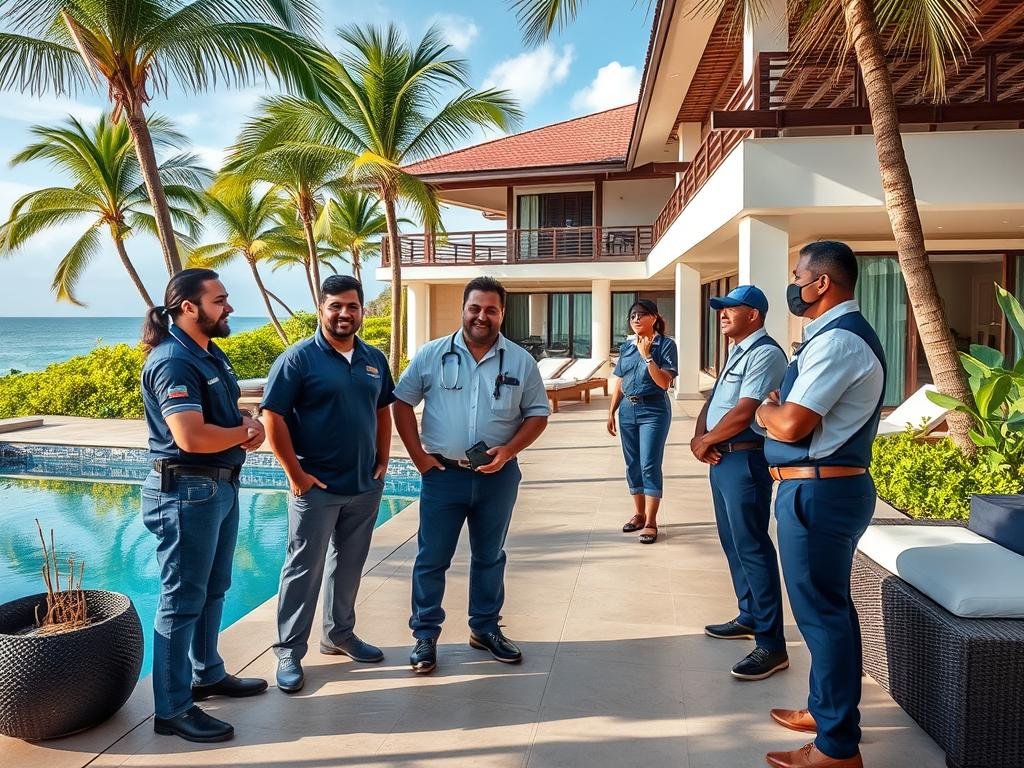
Professional management companies handle all aspects of property rental and maintenance, typically charging 15-20% of rental income. Services include marketing, guest screening, check-in/out, cleaning, maintenance, and financial reporting.
This option is ideal for investors who want a completely hands-off approach and maximum occupancy rates.
Hybrid Management
Some investors use online platforms like Airbnb for marketing and booking while hiring local staff for cleaning and maintenance. This approach can reduce management fees but requires more owner involvement.
This model works well for investors who want more control over guest selection and pricing while outsourcing on-the-ground tasks.
Rental Market Insights
- Seasonal Variations: Most coastal areas see peak demand during Brazilian summer (December-February) and July school holidays, with rates often doubling during these periods.
- Target Markets: Different regions attract different rental demographics. Rio properties appeal to international tourists, while Northeast properties may attract both domestic and European visitors.
- Rental Platforms: Beyond international platforms like Airbnb and Booking.com, local Brazilian platforms like Temporada Livre and AlugueTemporada can reach domestic tourists.
- Long-Term vs. Short-Term: While vacation rentals typically generate higher per-night rates, long-term rentals offer more stability and lower management costs.
“Propriedades bem gerenciadas em locais turísticos podem alcançar taxas de ocupação de 70-80% durante o ano todo, com retornos significativamente maiores durante a alta temporada. A chave é ter uma equipe local confiável que mantenha altos padrões de serviço.”
Frequently Asked Questions
Can foreigners buy property in Brazil?
Yes, foreigners can purchase urban and beachfront properties in Brazil with the same rights as Brazilian citizens. There are no restrictions on foreign ownership of these property types. However, there are some limitations on rural land purchases, particularly for large agricultural properties or land near national borders.
What documents do I need to buy property in Brazil?
The essential document is a CPF (Cadastro de Pessoas Físicas) tax identification number, which can be obtained through Brazilian consulates or with the help of an attorney. You’ll also need your passport, proof of address, and potentially a power of attorney if conducting parts of the transaction remotely.
What are the additional costs when buying property in Brazil?
Beyond the purchase price, budget approximately 4-6% for closing costs, including:
- ITBI (Property Transfer Tax): ~2% of property value
- Notary fees: ~1% of property value
- Registration fees: ~1% of property value
- Legal fees: Typically 1-2% of property value
Ongoing costs include annual property tax (IPTU) and condominium fees for apartments.
Do I need to be a resident to buy property in Brazil?
No, residency is not required to purchase property in Brazil. However, purchasing property does not automatically grant residency rights. If you wish to stay in Brazil for extended periods, you’ll need to apply for an appropriate visa.
What is the best time of year to visit potential investment properties?
For coastal properties, visiting during both peak season (December-February) and off-season provides the most complete picture. Peak season shows the area’s full potential and rental demand, while off-season visits reveal how the area functions year-round and may offer better negotiating conditions.
Conclusion: Making Your Brazilian Property Investment

Brazil’s diverse real estate market offers compelling opportunities for foreign investors, from luxury beachfront properties to urban apartments in vibrant cities. Understanding where to invest Brazil property requires careful consideration of regional markets, legal requirements, and your investment goals.
The most promising regions currently include Santa Catarina for luxury and stability, Rio de Janeiro for premium locations, and the Northeast for growth potential and affordability. Each offers unique advantages in terms of lifestyle, rental potential, and appreciation prospects.
By working with qualified local experts, conducting thorough due diligence, and understanding both the opportunities and challenges of the Brazilian market, foreign investors can successfully navigate this dynamic market and build a valuable real estate portfolio in one of South America’s most beautiful countries.
Whether you’re seeking a vacation home with rental potential or a pure investment property, Brazil’s combination of natural beauty, growing tourism, and relatively affordable prices compared to similar international destinations makes it worthy of serious consideration for your next real estate investment.
Get Your Free Brazilian Property Investment Guide
Download our comprehensive guide with detailed market analysis, legal requirements, and investment strategies for each region. Includes exclusive data not available in this article!
Get Expert Legal Guidance
Navigating Brazilian property laws can be complex. Our team of specialized attorneys can guide you through the entire process, ensuring legal compliance and protecting your investment.
Ready to Invest in Brazilian Property?
Download our comprehensive guide with detailed market analysis, legal requirements, and investment strategies for each region. Includes exclusive data not available in this article!
Stay Updated on Brazilian Property Opportunities
Subscribe to our newsletter for regular updates on the Brazilian property market, new investment opportunities, and exclusive insights.