
Where to Invest in Real Estate in Brazil: A Comprehensive 2025 Guide
Brazil’s real estate market is experiencing a remarkable transformation in 2025, attracting savvy investors from around the globe who recognize the tremendous opportunities in Latin America’s largest economy. With a diverse landscape of bustling metropolitan centers, pristine coastal destinations, and emerging tech hubs, understanding where to invest in real estate in Brazil has become crucial for maximizing returns and building long-term wealth. Whether you’re seeking rental income, capital appreciation, or a combination of both, Brazil offers compelling investment opportunities that can deliver impressive returns when approached strategically.
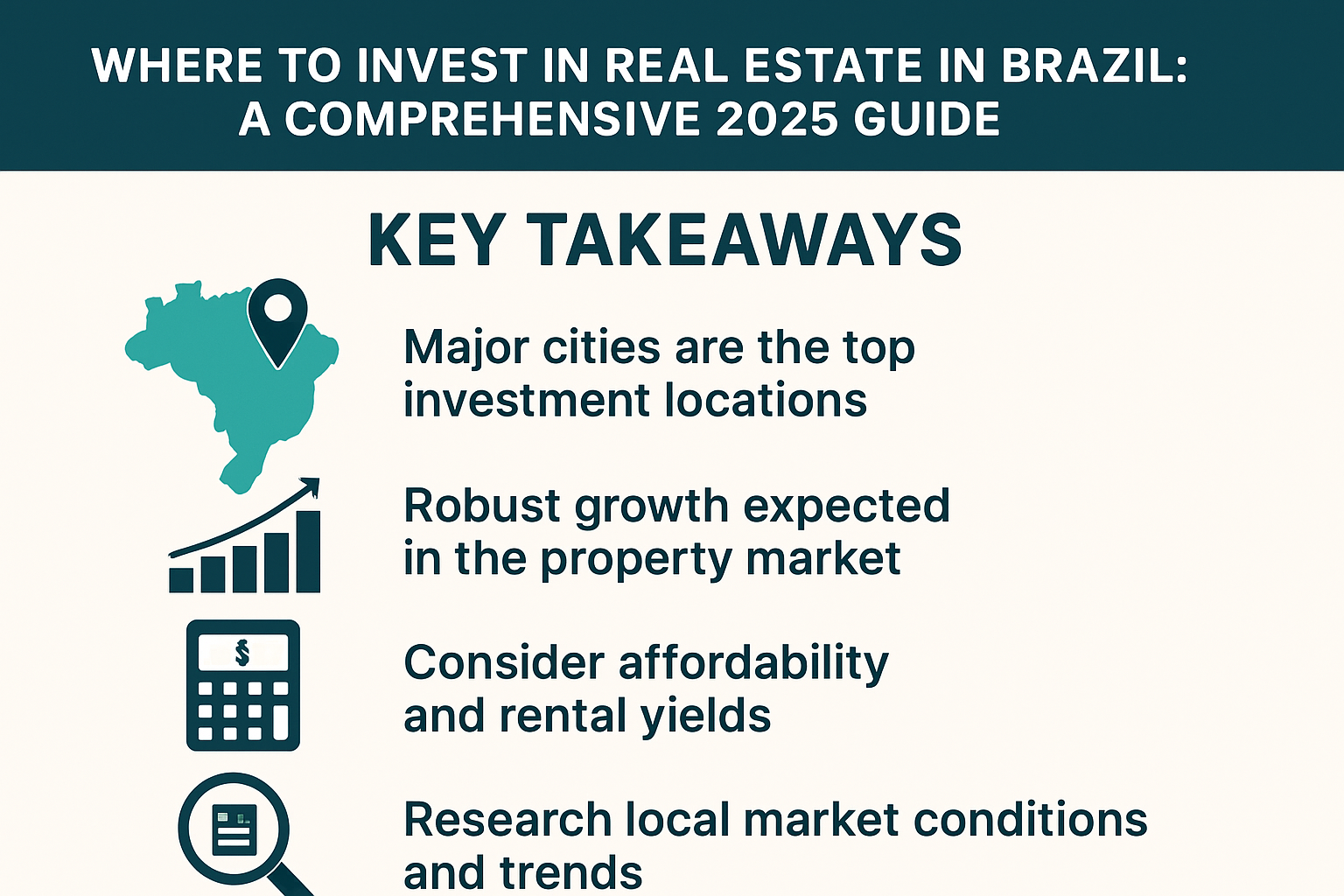
Key Takeaways
- 🏖️ Florianópolis leads coastal investment opportunities with 15-20% annual appreciation rates and strong tourism-driven rental demand
- 🏙️ São Paulo and Rio de Janeiro remain powerhouses for commercial real estate and luxury residential investments with established infrastructure
- 📈 Pre-construction purchases offer the highest potential returns, with properties appreciating 20-30% before completion
- 🌴 Beach neighborhoods like Ingleses and Jurerê Internacional provide excellent vacation rental income streams
- 💰 Foreign investors can access Brazil’s market with proper legal guidance, benefiting from favorable exchange rates and growing economic stability
Understanding Brazil’s Real Estate Market in 2025
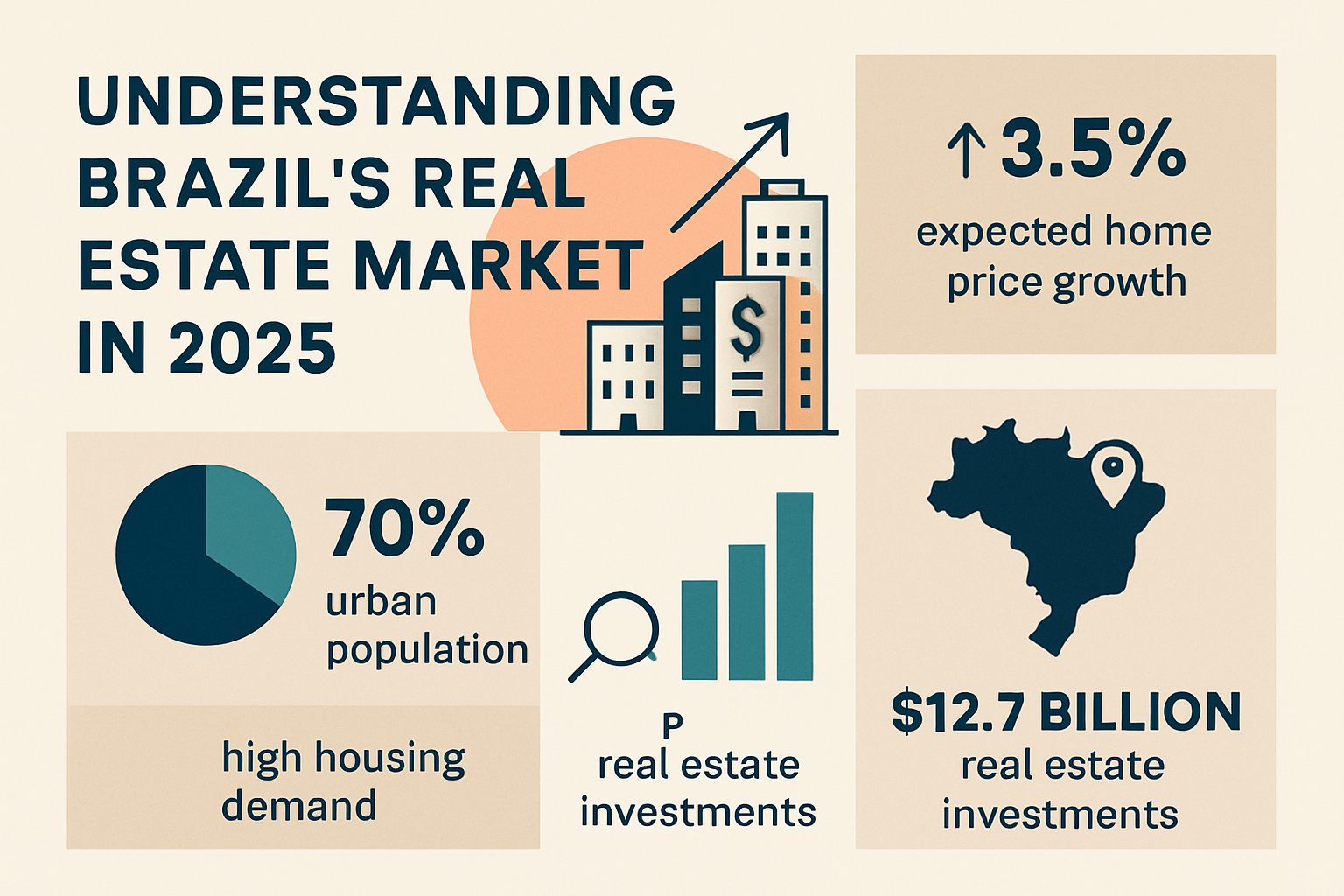
The Brazilian property market has matured significantly, offering investors a more stable and transparent environment than ever before. Economic reforms, improved regulatory frameworks, and increasing foreign investment have created favorable conditions for real estate purchases across the country.
Market fundamentals remain strong as Brazil’s growing middle class continues to drive housing demand. Urban migration patterns, tourism growth, and infrastructure development are reshaping where smart money flows in Brazilian real estate. The country’s diverse geography means investment strategies vary dramatically between regions, making location selection absolutely critical.
Interest rates, while historically high compared to developed markets, have been trending downward, making financing more accessible for both local and international buyers. The Brazilian Real’s fluctuations against major currencies can create advantageous entry points for foreign investors with dollar or euro capital.
Top Cities Where to Invest in Real Estate in Brazil
São Paulo: Brazil’s Economic Powerhouse
São Paulo stands as Latin America’s financial capital and offers unparalleled opportunities for commercial and residential real estate investment. The city’s robust economy supports a constant demand for quality housing and office space.
Investment highlights:
- Strong rental yields in central neighborhoods (4-6% annually)
- Established infrastructure and transportation networks
- Diverse property types from luxury condos to commercial buildings
- Consistent demand from corporate relocations and business growth
Neighborhoods like Pinheiros, Vila Madalena, and Itaim Bibi attract young professionals and families, offering stable rental income. The city’s continuous expansion creates opportunities in emerging areas with lower entry costs but significant appreciation potential.
Rio de Janeiro: Iconic Beaches Meet Urban Living
Rio’s combination of natural beauty and urban sophistication makes it a perennial favorite for investors seeking both lifestyle and returns. The city’s tourism industry supports strong vacation rental markets in beachfront areas.
Prime investment zones:
- Ipanema and Leblon: Premium beachfront properties with international appeal
- Barra da Tijuca: Modern development with growing infrastructure
- Botafogo and Flamengo: Mid-range options with improving amenities
- Santa Teresa: Historic charm attracting boutique hotel investors
Rio’s real estate market benefits from year-round tourism, major events, and a constant influx of domestic and international visitors seeking short-term accommodations.
Florianópolis: The Rising Star of Coastal Investment
When considering where to invest in real estate in Brazil for maximum growth potential, Florianópolis emerges as the standout choice in 2025. This island city combines stunning natural beauty with rapid economic development, creating a perfect storm for real estate appreciation.
The real estate market in Greater Florianópolis is experiencing unprecedented growth, driven by:
- Quality of life rankings that consistently place Florianópolis among Brazil’s best cities
- Technology sector growth attracting high-earning professionals
- Limited supply of beachfront land creating scarcity value
- Infrastructure improvements enhancing connectivity
- Year-round tourism supporting rental demand
Ingleses Beach specifically represents exceptional value, with the region experiencing remarkable growth in infrastructure, amenities, and property values. The neighborhood offers investors a rare combination of affordability, appreciation potential, and rental income opportunities.
Brasília: Government Hub with Stable Demand
Brazil’s capital city offers unique investment characteristics driven by government employment and political activities. The planned city’s organized layout and consistent demand from civil servants create predictable market conditions.
Investment advantages:
- Stable rental market from government workers
- Lower vacancy rates compared to other major cities
- Unique architectural heritage attracting cultural tourism
- Growing business sector diversifying the economy
Curitiba: Sustainable Urban Development
Known for innovative urban planning and environmental consciousness, Curitiba attracts investors interested in sustainable development and quality urban living. The city’s educated workforce and strong economy support steady real estate demand.
Strategic Neighborhoods Where to Invest in Real Estate in Brazil
Beach Communities with High Returns
Coastal neighborhoods across Brazil offer compelling investment opportunities, particularly for vacation rentals and seasonal properties. The advantages of investing in studios in Florianópolis demonstrate how smaller units can generate impressive returns through short-term rentals.
Top beach investment areas:
| Location | Average Appreciation | Rental Yield | Investment Level |
|---|---|---|---|
| Ingleses, Florianópolis | 15-20% annually | 8-12% | Moderate |
| Jurerê Internacional | 12-18% annually | 6-10% | High |
| Ipanema, Rio | 8-12% annually | 4-6% | Premium |
| Praia do Forte, Bahia | 10-15% annually | 7-11% | Moderate |
Urban Centers and Business Districts
Metropolitan business districts offer different advantages, including long-term corporate tenants, stable rental income, and lower seasonality. These areas suit investors prioritizing consistent cash flow over rapid appreciation.
Key considerations:
- Proximity to public transportation
- Corporate headquarters and business parks
- Educational institutions
- Shopping and entertainment infrastructure
Emerging Neighborhoods with Growth Potential
Identifying up-and-coming areas before major development occurs can yield exceptional returns. Look for neighborhoods experiencing:
- New transportation infrastructure projects
- Shopping center and commercial development
- Improving public services and amenities
- Increasing interest from developers and builders
Pre-Construction Investment Opportunities
One of the most lucrative strategies when determining where to invest in real estate in Brazil involves purchasing properties during the pre-construction phase. Buying off-plan can significantly amplify investment gains through several mechanisms.
Benefits of Pre-Construction Purchases
Appreciation before completion: Properties typically appreciate 20-30% between initial purchase and project completion, providing immediate equity gains.
Flexible payment plans: Developers offer extended payment schedules, allowing investors to spread costs over the construction period without immediate full payment.
First choice of units: Early buyers select premium units with best views, locations, and layouts before public release.
Lower entry prices: Pre-construction pricing is typically 15-25% below completed market values.
Evaluating Development Projects
When considering pre-construction investments, thorough due diligence is essential:
✅ Developer reputation and track record
✅ Construction timeline and progress monitoring
✅ Location analysis and neighborhood trajectory
✅ Legal documentation and ownership structure
✅ Financing arrangements and payment schedules
Projects like Tramonto and Solis exemplify quality developments that combine prime locations with professional management and strong appreciation potential. Monitoring construction progress and development updates helps investors track their investment’s advancement.
Investment Types and Property Categories
Residential Apartments and Condominiums
Residential units remain the most accessible entry point for individual investors. Studio apartments and one-bedroom units in tourist areas generate strong rental yields, while larger family apartments in residential neighborhoods provide stable long-term tenants.
Condominium benefits:
- Professional property management
- Shared amenities (pools, gyms, security)
- Lower maintenance responsibilities
- Better financing options
Vacation Rental Properties
Brazil’s tourism industry supports a thriving vacation rental market, particularly in coastal destinations. Short-term rental platforms have democratized access to this income stream, allowing individual investors to compete effectively.
Success factors:
- Prime location near beaches or attractions
- Professional property management services
- Quality furnishings and amenities
- Strategic pricing and marketing
Commercial Real Estate
Office buildings, retail spaces, and mixed-use developments offer opportunities for larger investors or those seeking commercial exposure. These properties typically require higher capital but can provide stable, long-term lease income.
Land Banking and Development
Purchasing undeveloped land in growth corridors represents a longer-term strategy with potentially explosive returns. This approach requires deep local knowledge, patience, and higher risk tolerance.
Financial Considerations and ROI Expectations
Understanding Brazilian Real Estate Returns
Realistic return expectations help investors make informed decisions. Brazilian real estate typically delivers returns through two channels:
Capital appreciation: 8-20% annually depending on location and market conditions
Rental income: 4-12% annually gross yields before expenses
Combined returns of 12-30% annually are achievable in prime locations with proper management, though actual results vary based on numerous factors.
Financing Options for Foreign Investors
While Brazilian banks traditionally focus on domestic buyers, financing options exist for international investors:
- Developer financing: Many projects offer direct payment plans
- International mortgage brokers: Specialized services for foreign buyers
- Cash purchases: Often provide negotiating leverage and simplicity
- Partnership structures: Collaborating with local investors
Tax Implications and Ownership Structures
Understanding Brazilian tax requirements is crucial for optimizing returns:
Property taxes (IPTU): Annual municipal tax typically 0.5-1.5% of property value
Rental income tax: Progressive rates from 15-27.5% for individuals
Capital gains tax: 15% on profits from property sales
Inheritance tax: State-level taxes varying by location
Proper legal structuring through Brazilian corporations or trusts can optimize tax efficiency while ensuring compliance.
Legal Framework for Foreign Investment
Property Ownership Rights
Brazil welcomes foreign real estate investment with few restrictions. International buyers enjoy the same property rights as Brazilian citizens, with limited exceptions in border areas and certain rural zones.
Key legal points:
- CPF number (tax ID) required for all purchases
- Registered legal representation recommended
- Title insurance available for additional security
- Clear property registration system (Cartório)
Due Diligence Process
Thorough legal review protects investors from potential issues:
- Title search: Verify clean ownership history
- Lien check: Confirm no outstanding debts or encumbrances
- Zoning verification: Ensure property use compliance
- Building permits: Confirm all construction approvals
- Condominium documentation: Review rules and financial health
Working with Local Professionals
Successful Brazilian real estate investment requires a reliable team:
- Real estate attorney: Essential for legal documentation and protection
- Property manager: Critical for rental operations and maintenance
- Accountant: Necessary for tax compliance and optimization
- Real estate agent: Valuable for market knowledge and deal sourcing
Partnering with experienced local developers who understand both the market and investor needs can streamline the entire process.
Market Trends Shaping Investment Decisions in 2025
Technology and Digital Transformation
The Brazilian real estate sector is embracing digital innovation, improving transparency and accessibility for investors. Virtual tours, blockchain-based transactions, and cryptocurrency payment options are becoming more common.
Sustainability and Green Building
Environmental consciousness is driving demand for sustainable properties with energy efficiency, water conservation, and eco-friendly materials. Green-certified buildings command premium prices and attract quality tenants.
Remote Work Impact
The global shift toward remote work has increased demand for properties in lifestyle destinations like Florianópolis, where professionals can enjoy quality of life while maintaining careers. This trend particularly benefits coastal cities with good internet infrastructure.
Infrastructure Development
Major infrastructure projects significantly impact property values. Transportation improvements, new airports, highway expansions, and port developments create investment opportunities in surrounding areas.
Risk Management and Investment Protection
Diversification Strategies
Smart investors spread risk across multiple properties, locations, or investment types:
- Geographic diversification: Properties in different cities or neighborhoods
- Property type mix: Combining residential, commercial, and vacation rentals
- Investment timeline variety: Mixing completed properties with pre-construction
- Income stream balance: Long-term rentals plus short-term vacation properties
Market Cycle Awareness
Understanding where Brazil’s real estate market sits in the economic cycle helps timing decisions. Sales performance trends provide insights into market momentum and investor sentiment.
Cycle indicators to monitor:
- Construction activity levels
- Inventory absorption rates
- Price appreciation trends
- Economic growth indicators
- Interest rate movements
Exit Strategy Planning
Successful investors plan exit strategies before purchasing:
- Hold period: Determine optimal ownership duration
- Sale triggers: Identify conditions prompting sale decisions
- Liquidity considerations: Assess market depth and selling timeline
- Tax optimization: Structure sales to minimize tax impact
Practical Steps to Start Investing
Research and Education
Begin with comprehensive market research focusing on target cities and neighborhoods. Study living in Florianópolis or other target locations to understand lifestyle factors affecting property values.
Essential research areas:
- Economic indicators and employment trends
- Population growth and migration patterns
- Tourism statistics and seasonal variations
- Infrastructure development plans
- Competitive property analysis
Building Your Investment Team
Assemble qualified professionals before making purchase decisions:
- Local real estate attorney with foreign investor experience
- Certified property manager if planning rental income
- Reputable real estate agent with market expertise
- Tax advisor familiar with international investment structures
- Currency exchange specialist for optimal fund transfers
Property Selection and Acquisition
Once prepared, the acquisition process typically follows these steps:
Step 1: Identify target properties matching investment criteria
Step 2: Conduct site visits and neighborhood evaluation
Step 3: Perform comprehensive due diligence
Step 4: Negotiate purchase terms and pricing
Step 5: Execute legal documentation and transfer funds
Step 6: Complete registration and receive title
Step 7: Implement management plan for rental or resale
Ongoing Management and Optimization
Successful real estate investment requires active management:
- Regular property inspections: Maintain asset condition
- Market monitoring: Track comparable sales and rental rates
- Tenant relations: Ensure satisfaction and retention
- Financial tracking: Monitor income, expenses, and returns
- Tax compliance: File required returns and payments
- Portfolio rebalancing: Adjust holdings based on performance
Conclusion: Making Your Brazilian Real Estate Investment Decision
Determining where to invest in real estate in Brazil requires balancing multiple factors including investment goals, risk tolerance, capital availability, and market timing. Brazil’s diverse real estate landscape offers opportunities ranging from established metropolitan markets to emerging coastal destinations with explosive growth potential.
Florianópolis stands out in 2025 as offering the most compelling combination of appreciation potential, rental income, quality of life, and relative affordability. The city’s limited supply of beachfront property, growing economy, and increasing national and international recognition create favorable conditions for sustained value growth.
For investors seeking pre-construction opportunities with professional development teams, exploring current projects from established developers provides a lower-risk entry point with significant upside potential.
Your Next Steps
Ready to begin your Brazilian real estate investment journey? Take these actions:
- Define your investment criteria: Clarify goals, budget, and timeline
- Research target markets: Deep dive into 2-3 specific cities or neighborhoods
- Connect with professionals: Build your advisory team before purchasing
- Visit properties: Schedule site visits to experience locations firsthand
- Start small: Consider beginning with a single property to learn the market
- Contact experienced developers: Discuss opportunities and get professional guidance
The Brazilian real estate market rewards informed, patient investors who conduct thorough research and work with reputable partners. Whether you’re seeking rental income, capital appreciation, or a combination of both, Brazil’s dynamic property market offers compelling opportunities for wealth creation in 2025 and beyond.
Stay informed about market developments and news to make timely decisions and capitalize on emerging opportunities. The question isn’t whether to invest in Brazilian real estate, but rather where and when to make your move.
References
[1] Brazilian Central Bank – Real Estate Market Statistics 2025
[2] IBGE (Brazilian Institute of Geography and Statistics) – Urban Development Reports
[3] Secovi-SP – São Paulo Real Estate Market Analysis
[4] Florianópolis Municipal Development Authority – Infrastructure Investment Reports
[5] Brazilian Tourism Board – Visitor Statistics and Trends
[6] Latin American Real Estate Investment Association – Market Outlook 2025
[7] Brazilian Federal Revenue Service – Foreign Investment Guidelines
[8] National Registry of Legal Entities – Property Registration Data