
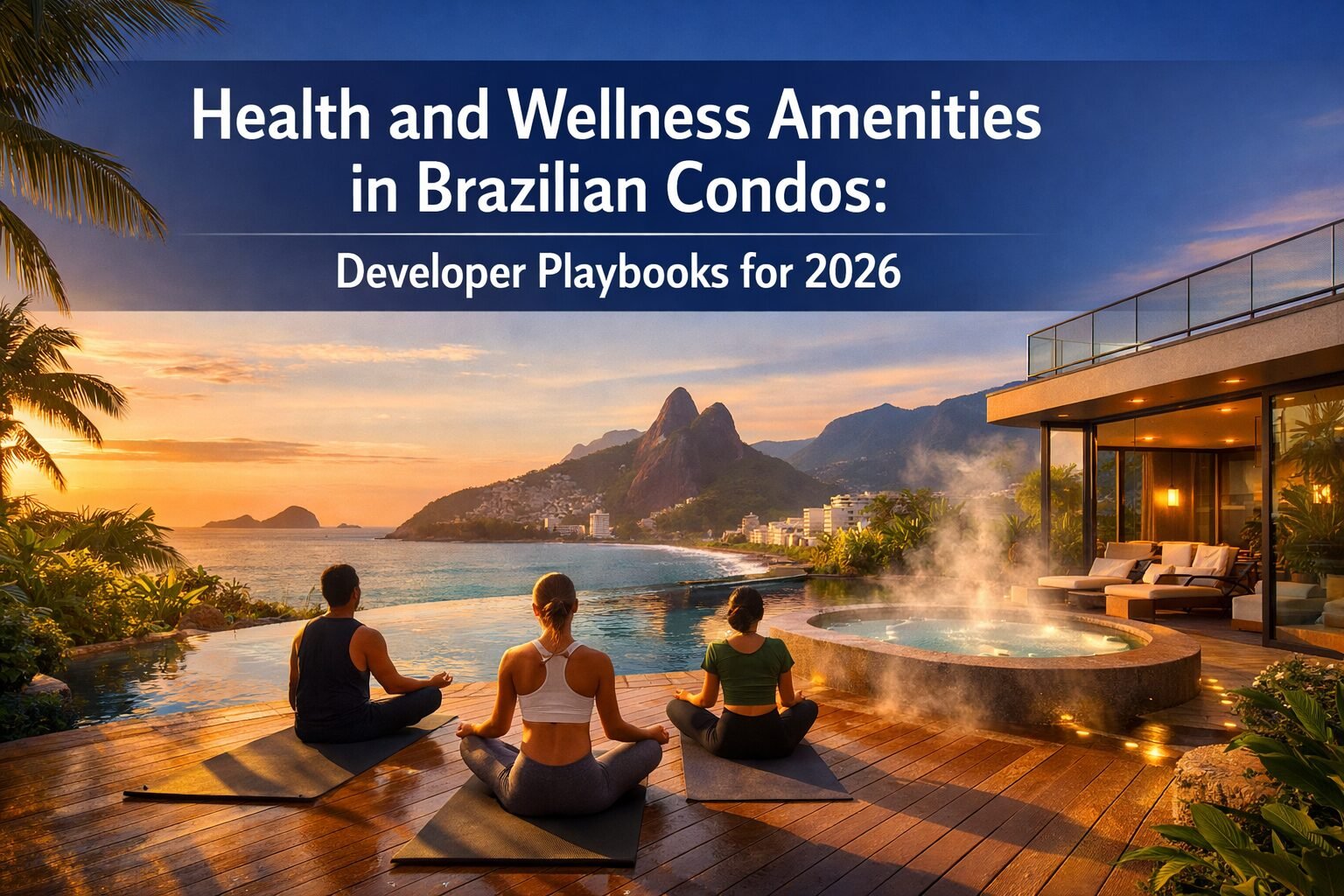
The Brazilian real estate landscape has undergone a seismic transformation. What was once considered a luxury add-on has become the cornerstone of property valuation in 2026. Health and Wellness Amenities in Brazilian Condos: Developer Playbooks for 2026 Post-Pandemic Buyer Demand represents not just a trend but a fundamental shift in how urban Brazilians define home. As remote work liberates professionals from geographic constraints and wellness consciousness reaches unprecedented heights, developers who master this playbook will command premium pricing while those who ignore it risk obsolescence.
The statistics tell a compelling story: wellness real estate exploded from less than 1% of new residential construction in 2015 to over 15% by 2025—a 15-fold increase in market share over just one decade.[1] This isn’t a passing fad. It’s a permanent recalibration of buyer expectations, particularly among Millennials and Gen Z who view wellness infrastructure as non-negotiable rather than optional.
Key Takeaways
✅ Market transformation: Wellness amenities have grown from 1% to 15% of new Brazilian residential construction, with buyers now willing to pay 10%+ premiums for integrated wellness features
✅ Competitive advantage: Brazil’s 350+ thermal springs, 7,400 km coastline, and tropical rainforest assets create unique positioning opportunities for wellness-focused developers
✅ Revenue validation: Wellness-equipped units achieve 33% higher nightly rental rates and stronger occupancy, with documented cases generating $45,552+ annual gross rental income
✅ Design integration: Successful 2026 playbooks combine neuroarchitecture principles, biophilic design, thermal circuits, and proximity to healthy lifestyle infrastructure in urban centers
✅ Supply gap opportunity: Purpose-built wellness developments remain virtually nonexistent outside São Paulo and Rio, creating significant first-mover advantages for strategic developers
The Post-Pandemic Psychology Reshaping Health and Wellness Amenities in Brazilian Condos
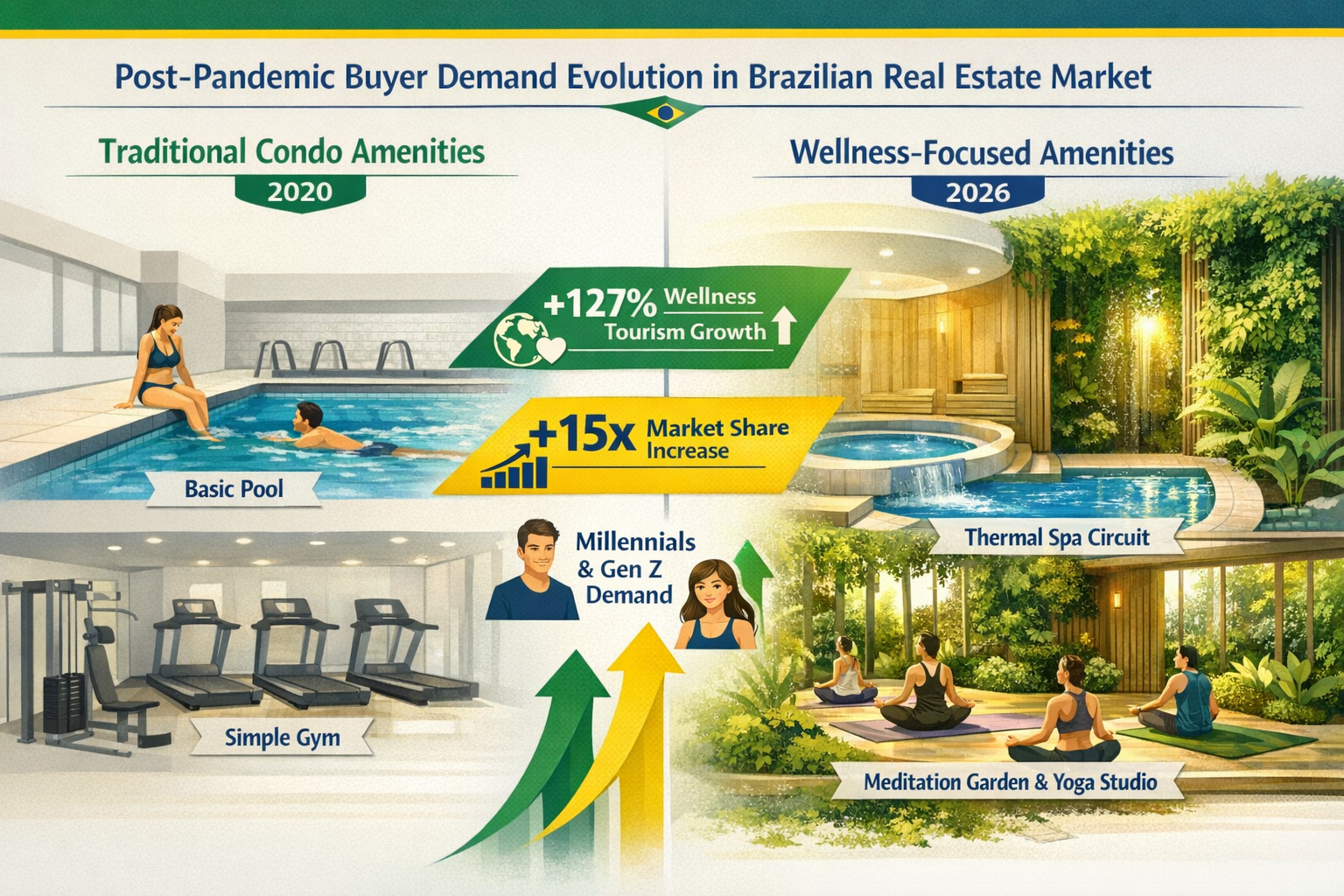
COVID-19 didn’t just disrupt markets temporarily—it permanently rewired how Brazilians perceive their living spaces. The home evolved from mere shelter into a sanctuary for physical and mental health, a transformation that continues to drive purchasing decisions in 2026.[1]
Remote Work as the Great Liberator
When geographic constraints dissolved, professionals gained unprecedented freedom to prioritize quality of life over commute times. This shift particularly impacted best places to invest in Brazil property, as buyers could now choose locations based on wellness infrastructure rather than office proximity.
The data reveals this behavioral change:
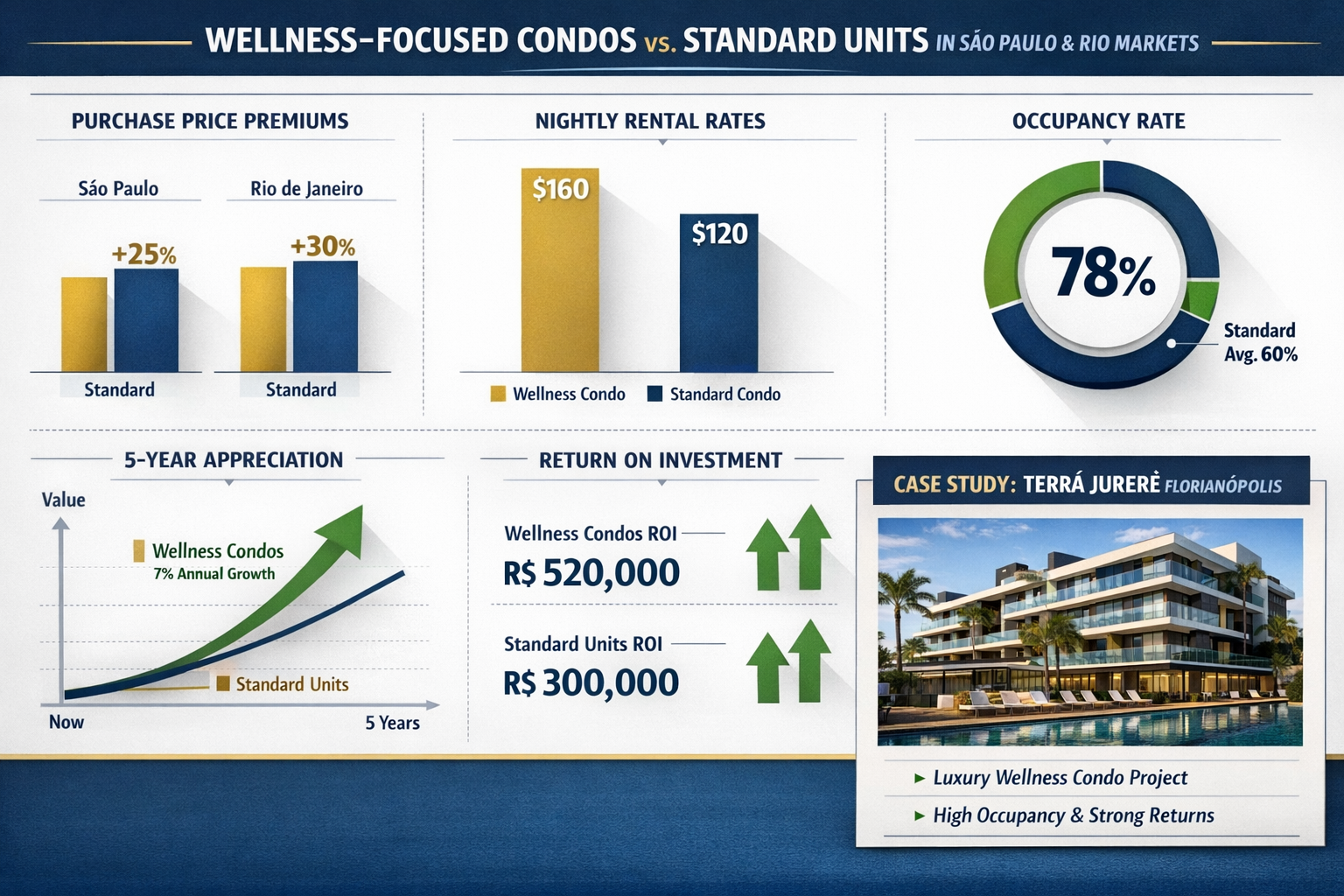
- 78% occupancy rates for wellness-focused units versus 65% for traditional properties
- 33% rental premium commanded by properties with comprehensive wellness amenities[1]
- 127% growth in Brazilian wellness tourism from 2020 to 2025, substantially exceeding global averages[1]
Generational Demand Drivers
Millennials and Gen Z don’t view wellness as luxury indulgence—they consider it fundamental to quality of life.[1] This generation demonstrates willingness to pay significant premiums for properties that support their health goals without requiring external gym memberships or wellness club access.
“The modern Brazilian buyer isn’t asking ‘Does it have a gym?’—they’re asking ‘Does this property actively support my physical and mental wellbeing every single day?'”
This mindset shift creates both challenge and opportunity for developers. Those who understand the nuanced difference between basic fitness amenities and comprehensive wellness ecosystems will capture disproportionate market share.
Developer Playbook Component 1: Strategic Wellness Infrastructure Design
Successful Health and Wellness Amenities in Brazilian Condos: Developer Playbooks for 2026 Post-Pandemic Buyer Demand start with architectural intention, not afterthought amenity additions. The most effective developers integrate wellness principles at the foundational design stage.
Neuroarchitecture Principles
Leading Brazilian developers now implement neuroarchitecture—design that actively supports brain function and emotional wellbeing:[1]
| Design Element | Implementation | Documented Benefit |
|---|---|---|
| Ceiling Height Variation | Higher ceilings (3.2m+) in social spaces; lower (2.6m) in private areas | Promotes creative thinking in common areas; enhances security feeling in bedrooms |
| Natural Light Optimization | Strategic window positioning, light shelves, reflective surfaces | Supports circadian rhythm regulation, improves sleep quality |
| Acoustic Design | Sound-absorbing materials, strategic unit placement | Minimizes noise-related cortisol elevation and cardiovascular risk |
| Natural Ventilation | Cross-ventilation design, operable windows | Reduces indoor air pollutants, enhances respiratory health |
Biophilic Design Integration
Brazil’s natural assets—350+ thermal springs, 7,400 km coastline, and the world’s largest tropical rainforest—provide competitive advantages that developers must leverage.[1]
Effective biophilic integration includes:
🌿 Living walls visible from every unit, not just common areas
🪨 Natural materials (stone, wood, earth-based finishes) throughout interiors
💧 Water features including fountains, reflecting pools, and thermal circuits
🌬️ Natural ventilation systems that connect residents to outdoor air quality
🪟 Strategic window framing that showcases greenery rather than neighboring buildings
The growth of regions like Ingleses in Florianópolis demonstrates how natural asset proximity drives property valuation when properly integrated into development design.
The Thermal Circuit Standard
The emerging 2026 developer standard centers on thermal circuit amenities—a comprehensive package with documented health benefits:[1]
✨ Heated pools (32-36°C) for muscle relaxation and stress reduction
❄️ Cold plunge pools (10-15°C) for circulation stimulation and inflammation reduction
🔥 Dry saunas (80-90°C) for cardiovascular conditioning
💨 Steam rooms with aromatherapy for respiratory health
🧘 Meditation spaces with acoustic isolation and natural materials
These aren’t arbitrary additions—each component addresses specific health outcomes backed by medical research, from improved cardiovascular function to reduced chronic pain and measurable stress reduction.[1]
Developer Playbook Component 2: Urban Wellness Integration in São Paulo and Rio
While coastal developments leverage natural beach access, urban projects in São Paulo and Rio require different strategies to deliver Health and Wellness Amenities in Brazilian Condos: Developer Playbooks for 2026 Post-Pandemic Buyer Demand.
The Healthy Lifestyle Ecosystem Approach
Successful urban wellness developments don’t exist in isolation—they connect residents to broader wellness infrastructure:
Proximity to Healthy Markets 🥬
- Walking distance to organic food markets
- On-site farmers market hosting (weekly or bi-weekly)
- Partnership with healthy meal delivery services
- Community garden spaces with resident plots
Fitness Studio Integration 💪
- Dedicated yoga studios with professional instruction scheduling
- Pilates equipment rooms with certified trainers
- CrossFit-style functional fitness areas
- Outdoor training zones with Brazilian climate optimization
Mental Wellness Spaces 🧠
- Soundproofed meditation rooms with guided session technology
- Therapy-friendly private consultation rooms
- Digital detox lounges with reading libraries
- Rooftop contemplation gardens with urban views
The Mixed-Use Wellness Tower Model
Projects like the Senna Tower demonstrate the 2026 evolution toward comprehensive lifestyle ecosystems rather than isolated amenities.[3] This mega-project incorporates:
- Wellness centers alongside recreational facilities
- Tennis courts and racetrack facilities
- Public-facing shops and restaurants
- Event spaces and observatories
- 220+ apartments within integrated towers[3]
This mixed-use approach creates 24/7 wellness activation rather than amenities that sit empty during business hours. Residents access wellness infrastructure organically throughout their daily routines, not as separate “gym trips.”
For developers exploring investment opportunities in Florianópolis, this integrated model offers particular advantages in urban centers where land costs demand maximum utilization efficiency.
Technology-Enabled Wellness
2026 playbooks incorporate smart technology that personalizes wellness experiences:
📱 Amenity booking apps that prevent overcrowding and optimize usage
🏃 Fitness tracking integration with building systems
🌡️ Climate control in wellness spaces based on usage patterns
💡 Circadian lighting systems that adjust throughout the day
📊 Wellness analytics dashboards showing resident engagement metrics
Developer Playbook Component 3: Financial Modeling and Premium Justification
Understanding Health and Wellness Amenities in Brazilian Condos: Developer Playbooks for 2026 Post-Pandemic Buyer Demand requires rigorous financial validation, not just design enthusiasm.
The Terrá Jurerê Case Study
Located in Jurerê, Florianópolis, Terrá Jurerê represents Brazil’s first true wellness-focused residential development in Santa Catarina.[1] The project provides concrete financial benchmarks:
Facility Specifications:
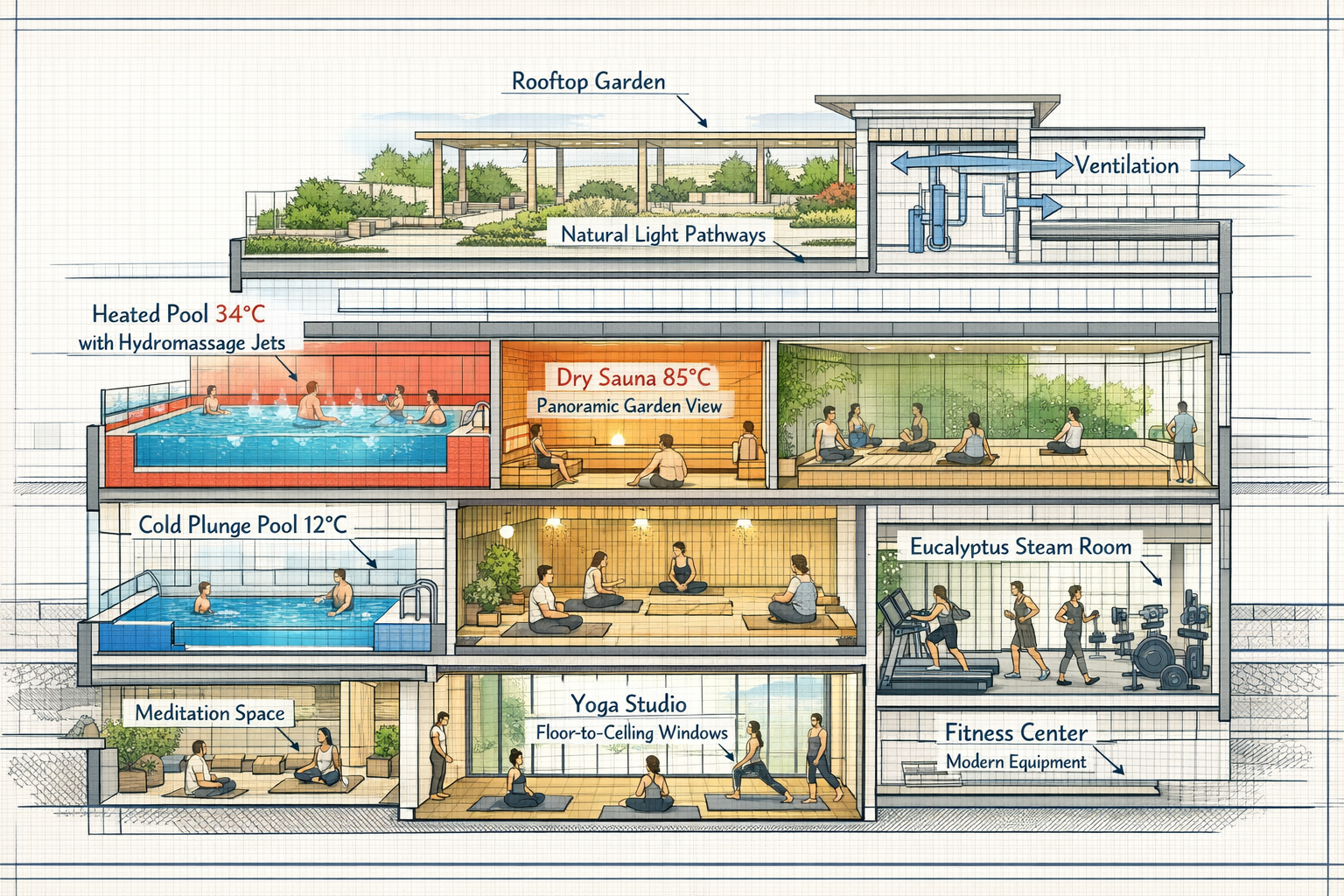
- 500m² thermal spa facility
- 34°C heated pool with hydromassage jets
- 12°C cold plunge pools
- 80-90°C sauna with panoramic gardens
- Eucalyptus steam room
- Heated relaxation daybeds in meditation gardens
Financial Performance:
| Metric | Wellness Unit | Standard Unit | Premium |
|---|---|---|---|
| Purchase Price | $220,000 | $200,000 | +10% |
| Nightly Rental Rate | $160 | $120 | +33% |
| Annual Occupancy | 78% | 65% | +13 points |
| Annual Gross Rental | $45,552 | $28,470 | +60% |
| 5-Year Appreciation (7% annual) | $308,518 | $280,471 | +10% |
These numbers demonstrate that wellness premiums persist across both purchase price and ongoing rental performance.[1]
Construction Cost Analysis
Developers must balance premium revenue against incremental construction costs:
Typical Wellness Package Investment:
- Thermal circuit infrastructure: $150-250 per m² of development
- Biophilic design elements: $80-120 per m² premium
- Neuroarchitecture consultation: $15,000-30,000 per project
- Smart wellness technology: $50-80 per unit
- Enhanced HVAC for wellness spaces: $100-150 per m²
Break-Even Calculation: For a 100-unit development with 2,000m² wellness amenity space:
- Total wellness investment: ~$800,000-1,200,000
- Per-unit cost: $8,000-12,000
- Required premium at 10%: $20,000+ per unit (on $200,000 base)
- Net margin improvement: $8,000-12,000 per unit
This math explains why wellness-focused developments continue expanding despite higher construction costs—the premium substantially exceeds the incremental investment.
For developers considering buying off-plan opportunities, wellness amenities create additional appreciation drivers beyond standard market growth.
Developer Playbook Component 4: The Critical Supply Gap Opportunity
Despite strong fundamentals, purpose-built wellness residential developments remain virtually nonexistent outside São Paulo and Rio.[1] This creates severe supply-demand imbalances for developers who move decisively.
Market Opportunity Quantification
Brazilian wellness tourism grew 127% from 2020 to 2025, yet residential wellness supply hasn’t kept pace.[1] The gap creates opportunity:
Underserved Markets:
- Florianópolis: High wellness demand, limited purpose-built supply
- Curitiba: Growing professional class, minimal wellness-focused developments
- Brasília: Government professionals with purchasing power, traditional amenity packages
- Salvador: Coastal access underutilized in residential wellness design
- Belo Horizonte: Urban density without wellness integration
Target Buyer Segments:
- Remote professionals (30-45 years old)
- Health-conscious retirees seeking active aging environments
- International buyers familiar with global wellness real estate trends
- Investment buyers targeting rental premium markets
First-Mover Advantages
Developers who establish wellness credentials early in emerging markets capture disproportionate benefits:
🎯 Brand positioning as the wellness developer in the region
📰 Media coverage that generates organic marketing value
🤝 Partnership opportunities with wellness brands seeking residential presence
💼 Talent attraction for wellness-focused property management teams
📈 Pricing power before competitive supply enters the market
The Florianópolis market dynamics for 2025 and beyond particularly favor first movers in wellness-integrated development.
Implementation Roadmap: From Concept to Delivery
Executing Health and Wellness Amenities in Brazilian Condos: Developer Playbooks for 2026 Post-Pandemic Buyer Demand requires systematic planning across multiple phases.
Phase 1: Market Research and Site Selection (Months 1-3)
Critical Activities:
- Demographic analysis of wellness-oriented buyer segments
- Competitive audit of existing wellness amenities in target market
- Site evaluation for biophilic design potential
- Proximity mapping to healthy lifestyle infrastructure
- Financial feasibility modeling with wellness premium assumptions
Phase 2: Design Development (Months 4-8)
Key Deliverables:
- Neuroarchitecture consultant engagement
- Thermal circuit engineering specifications
- Biophilic design integration plan
- Smart technology infrastructure requirements
- Wellness amenity programming schedule
Design Partners: Engage specialists like architect Bárbara Schumacher, who trained in neuroarchitecture in Europe and designed the Terrá Jurerê thermal spa.[1]
Phase 3: Pre-Sales and Marketing (Months 9-12)
Marketing Strategies:
- Wellness-focused buyer education content
- Virtual reality wellness amenity tours
- Partnership announcements with wellness brands
- Health benefit documentation and medical endorsements
- Rental income projections with wellness premium data
Phase 4: Construction and Activation (Months 13-24)
Implementation Priorities:
- Phased wellness amenity completion for early marketing
- Wellness programming partnerships established pre-delivery
- Staff training for wellness amenity management
- Technology platform testing and optimization
- Community wellness culture development
For developers tracking construction progress like Tramonto, wellness amenity completion timing significantly impacts pre-sales momentum.
Common Pitfalls and How to Avoid Them
Even well-intentioned wellness developments fail when developers make these mistakes:
❌ Mistake 1: Checkbox Amenities Without Integration
The Problem: Adding a yoga room without programming, staff, or community activation
The Solution: Partner with wellness providers for ongoing programming, create resident wellness committees, and measure utilization metrics
❌ Mistake 2: Ignoring Operational Costs
The Problem: Thermal circuits and specialized wellness spaces require significant ongoing maintenance and utilities
The Solution: Build operational costs into HOA fee modeling from day one, with transparent resident communication about value delivered
❌ Mistake 3: Generic Wellness Design
The Problem: Copying international wellness concepts without adapting to Brazilian climate, culture, and lifestyle
The Solution: Leverage Brazil’s unique natural assets, design for year-round tropical use, and incorporate local wellness traditions
❌ Mistake 4: Undersized Wellness Spaces
The Problem: Allocating insufficient square footage for wellness amenities, creating overcrowding and poor experience
The Solution: Benchmark successful projects like Terrá Jurerê’s 500m² thermal spa for 100-unit developments, scaling appropriately
❌ Mistake 5: Poor Location Integration
The Problem: Excellent wellness amenities in locations disconnected from healthy lifestyle infrastructure
The Solution: Prioritize sites with walkable access to organic markets, outdoor recreation, and wellness service providers
The 2026 Competitive Landscape
As Health and Wellness Amenities in Brazilian Condos: Developer Playbooks for 2026 Post-Pandemic Buyer Demand becomes mainstream, competitive differentiation requires continuous innovation.
Emerging Trends to Watch
Wellness Certification Programs 🏆 International wellness building standards (WELL Building Standard, Fitwel) are entering Brazilian markets, providing third-party validation that commands additional premiums.
Regenerative Design 🌍 Beyond sustainability, regenerative developments actively improve environmental health through carbon-negative construction, ecosystem restoration, and circular economy principles.
Community Wellness Programs 👥 Successful developments foster wellness communities through resident-led fitness groups, healthy cooking classes, mental health support groups, and wellness challenges.
Personalized Wellness Technology 🤖 AI-powered wellness recommendations, biometric integration with building systems, and predictive health analytics represent the next frontier.
For developers exploring current developments like Solis, incorporating these emerging trends creates future-proof positioning.
Conclusion: Seizing the Wellness Development Opportunity
The transformation of Health and Wellness Amenities in Brazilian Condos: Developer Playbooks for 2026 Post-Pandemic Buyer Demand from luxury add-on to fundamental requirement represents a once-in-a-generation opportunity for strategic developers. The market data is unambiguous: wellness-focused properties command 10%+ purchase premiums, achieve 33% higher rental rates, and maintain superior occupancy.[1]
Brazil’s natural competitive advantages—350+ thermal springs, 7,400 km of coastline, and unparalleled biodiversity—create unique positioning opportunities that developers must leverage.[1] Yet the critical supply gap outside São Paulo and Rio means first movers in emerging markets will capture disproportionate value.
Actionable Next Steps for Developers
Immediate Actions (Next 30 Days):
- Conduct demographic analysis of wellness-oriented buyers in your target market
- Audit competitive wellness amenities within 50km of potential sites
- Engage neuroarchitecture and biophilic design consultants for preliminary concepts
- Model financial feasibility with 10% purchase premium and 33% rental premium assumptions
- Visit reference projects like Terrá Jurerê to understand execution standards
Strategic Planning (Next 90 Days):
- Develop comprehensive wellness amenity programming beyond physical infrastructure
- Establish partnerships with wellness brands and service providers
- Create detailed construction cost analysis for thermal circuits and biophilic elements
- Design marketing strategy emphasizing health outcomes and financial performance
- Identify sites with optimal proximity to healthy lifestyle infrastructure
Long-Term Positioning (Next 12 Months):
- Build wellness development expertise as core organizational competency
- Track wellness premium evolution across Brazilian markets for dynamic pricing
- Cultivate relationships with wellness-focused buyer communities
- Monitor emerging wellness technologies and certification programs
- Establish brand positioning as the wellness developer in your region
The developers who master this playbook won’t just build profitable projects—they’ll shape how Brazilians live healthier, more fulfilling lives while generating superior returns. The question isn’t whether wellness amenities will dominate Brazilian residential development, but which developers will lead the transformation.
For those ready to explore wellness-focused development opportunities, Quadragon’s current projects demonstrate the integration of quality design with market demand. The wellness revolution in Brazilian real estate has arrived—and the playbook for success is clear.
References
[1] Wellness Real Estate Florianopolis – https://www.elisainvestimentos.com.br/en/wellness-real-estate-florianopolis/
[2] Best Resorts Rio De Janeiro 2026 Brazils Premier Paradise Destinations Qjnxl2ifr9 Mr5ll5 0bka – https://scribehow.com/page/Best_Resorts_Rio_de_Janeiro_2026_Brazils_Premier_Paradise_Destinations__QjNXl2IFR9-mr5ll5_0bkA
[3] New Brazilian Development Aims To Be The Worlds Tallest Multifamily Tower – https://www.naiemoryhill.com/new-brazilian-development-aims-to-be-the-worlds-tallest-multifamily-tower/
[4] Hotelslist Brazil Spa Resorts Zfp7752979 – https://www.tripadvisor.ca/HotelsList-Brazil-Spa-Resorts-zfp7752979.html
[5] Confort Amp Wellness Apartment – https://www.booking.com/hotel/br/confort-amp-wellness-apartment.html