
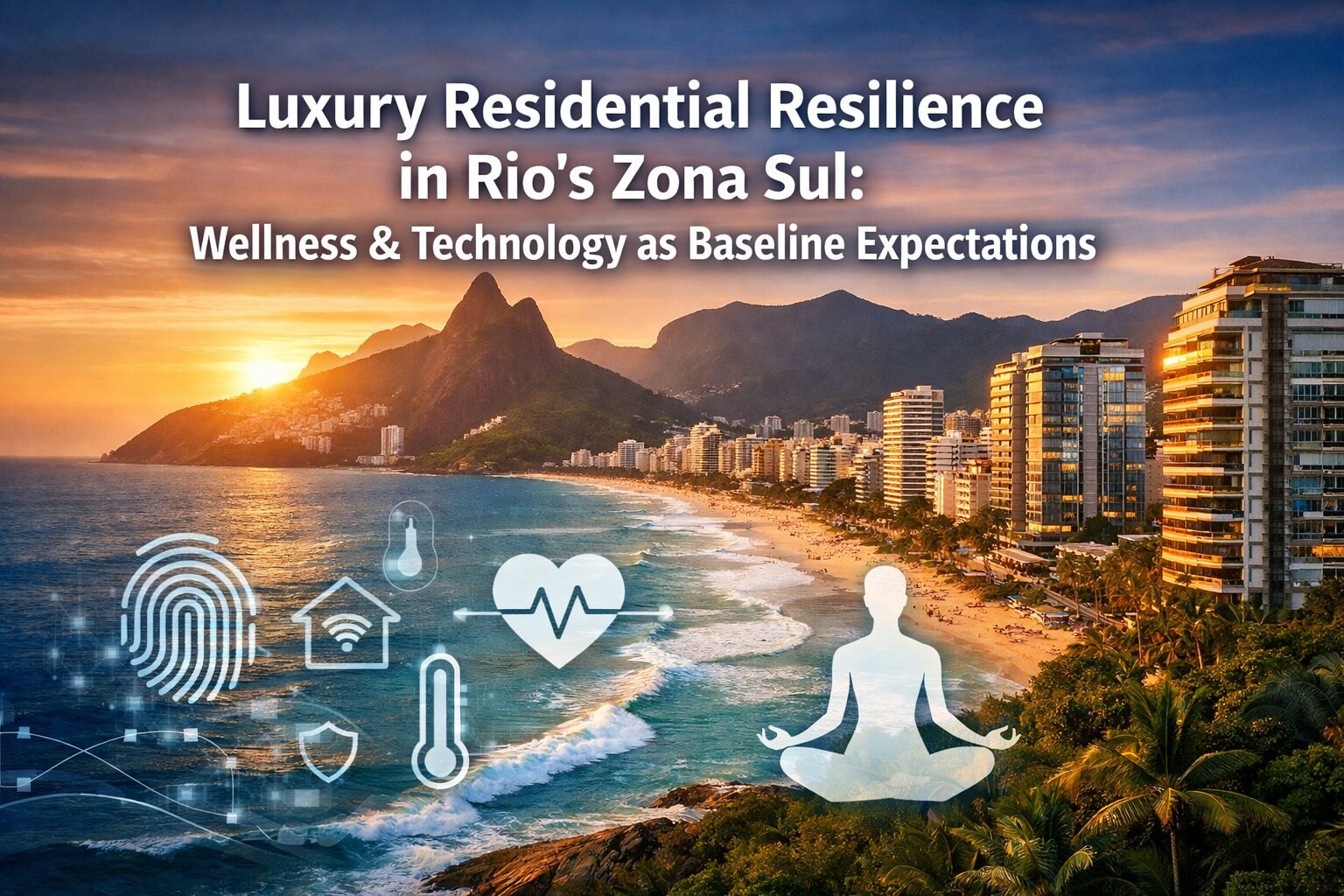
The luxury real estate landscape in Rio de Janeiro’s prestigious Zona Sul has undergone a dramatic transformation. What once commanded premium pricing as exclusive add-ons—smart home systems, biometric security, wellness amenities—have now become non-negotiable baseline features in 2026. Luxury Residential Resilience in Rio’s Zona Sul: Why Wellness Certifications and Integrated Technology Are Now Baseline Expectations, Not Premiums reflects a fundamental shift in high-net-worth buyer expectations following the pandemic era. Today’s discerning purchasers in Ipanema, Leblon, and Lagoa demand integrated wellness ecosystems and comprehensive technology infrastructure as standard inclusions, not optional upgrades.
This evolution signals a mature luxury market where developers must embed these features from conception to remain competitive. The post-pandemic buyer profile prioritizes health, security, and seamless digital integration as essential quality-of-life components rather than luxury extras.
Key Takeaways
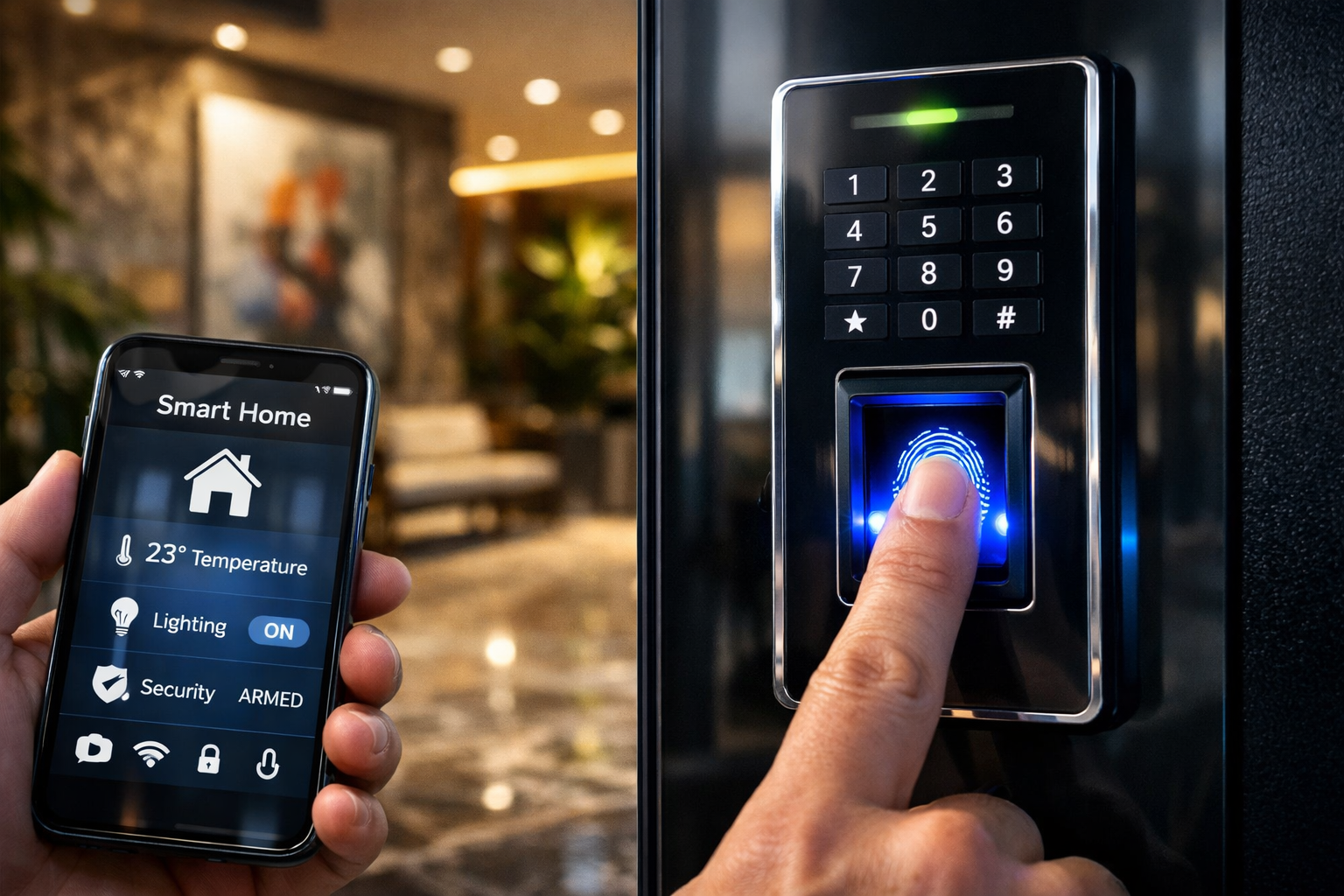
✅ Smart home systems and biometric security are now standard expectations in Rio’s luxury developments, with features like fingerprint entry and programmable systems integrated as baseline offerings [2]
✅ Complete wellness amenities—including gyms, saunas, and rooftop infinity pools—have transitioned from premium add-ons to essential requirements for luxury condominiums in Zona Sul [2]
✅ Limited new construction in prime areas protects property values, with luxury prices projected to grow 45-75% over the next decade in nominal terms [4]
✅ International demand remains robust, with buyers from the United States, Europe, and Middle East targeting Ipanema, Leblon, and Lagoa for exclusive beachfront lifestyle [2]
✅ Technology integration differentiates developers, with leading firms like Concal embedding state-of-the-art systems throughout their 130+ completed luxury projects [1]
The Post-Pandemic Luxury Buyer Profile in Rio’s Zona Sul
Shifting Priorities After 2020
The pandemic fundamentally altered what high-net-worth individuals value in residential properties. Health, wellness, and home-based technology infrastructure moved from nice-to-have features to absolute necessities. In Rio’s Zona Sul, this shift manifested in buyers demanding comprehensive wellness facilities and integrated smart systems as baseline expectations.
The 2026 luxury market outlook explicitly identifies “24/7 professional security and biometric access” along with “smart-home systems and premium finishes” as essential features expected in any luxury condominium [2]. This represents a significant departure from pre-pandemic norms when such features commanded substantial premiums.
International Demand Driving Standards
International buyers continue to fuel demand across Ipanema, Leblon, Lagoa, and surrounding neighborhoods. Purchasers from the United States, Europe, and the Middle East target these areas for the exclusive beachfront lifestyle and premium services [2]. These sophisticated buyers bring global expectations shaped by luxury markets in London, New York, Dubai, and Singapore—cities where integrated technology and wellness amenities have been standard for years.
This international perspective has elevated baseline expectations across Rio’s luxury segment. Developers can no longer compete with outdated amenity packages or basic security systems. The global luxury buyer demands seamless integration of technology, health-focused design, and comprehensive wellness facilities as foundational elements.
The New Non-Negotiables
Today’s luxury buyer profile in Zona Sul includes specific non-negotiable requirements:
- Biometric security systems with fingerprint or facial recognition access
- Comprehensive smart home integration controlling lighting, climate, security, and entertainment
- Complete wellness facilities including state-of-the-art gyms, saunas, and spa amenities
- Rooftop infinity pools with panoramic ocean or lagoon views
- Large private terraces with premium outdoor spaces [2]
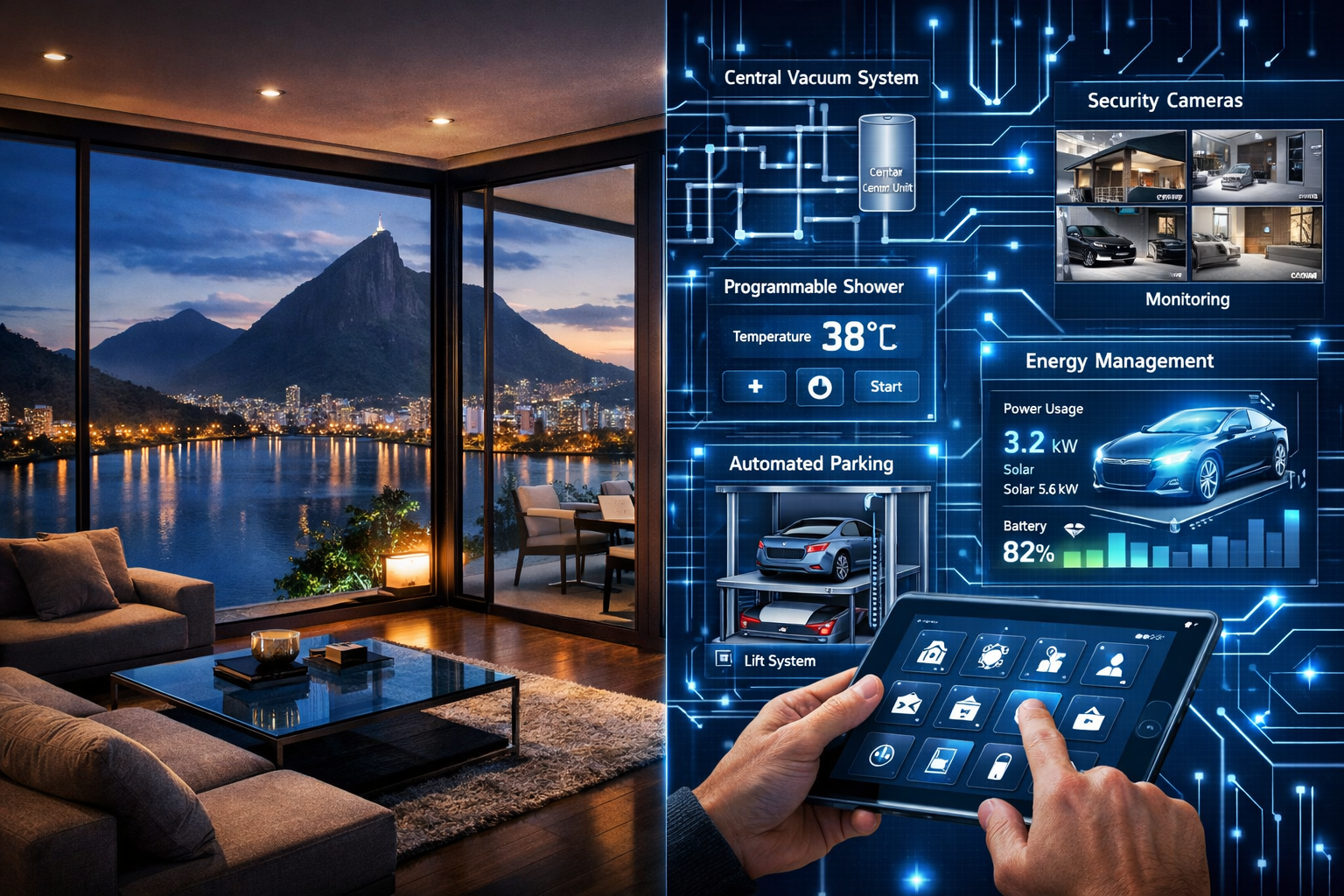
- Central vacuum systems and automated cleaning infrastructure
- Programmable shower and bath systems with temperature and pressure controls [1]
These features now form the baseline expectation, not the premium tier. Developments lacking these elements struggle to compete in the high-end segment, regardless of location advantages.
Wellness Certifications and Integrated Technology as Baseline Standards
From Premium Add-Ons to Essential Infrastructure
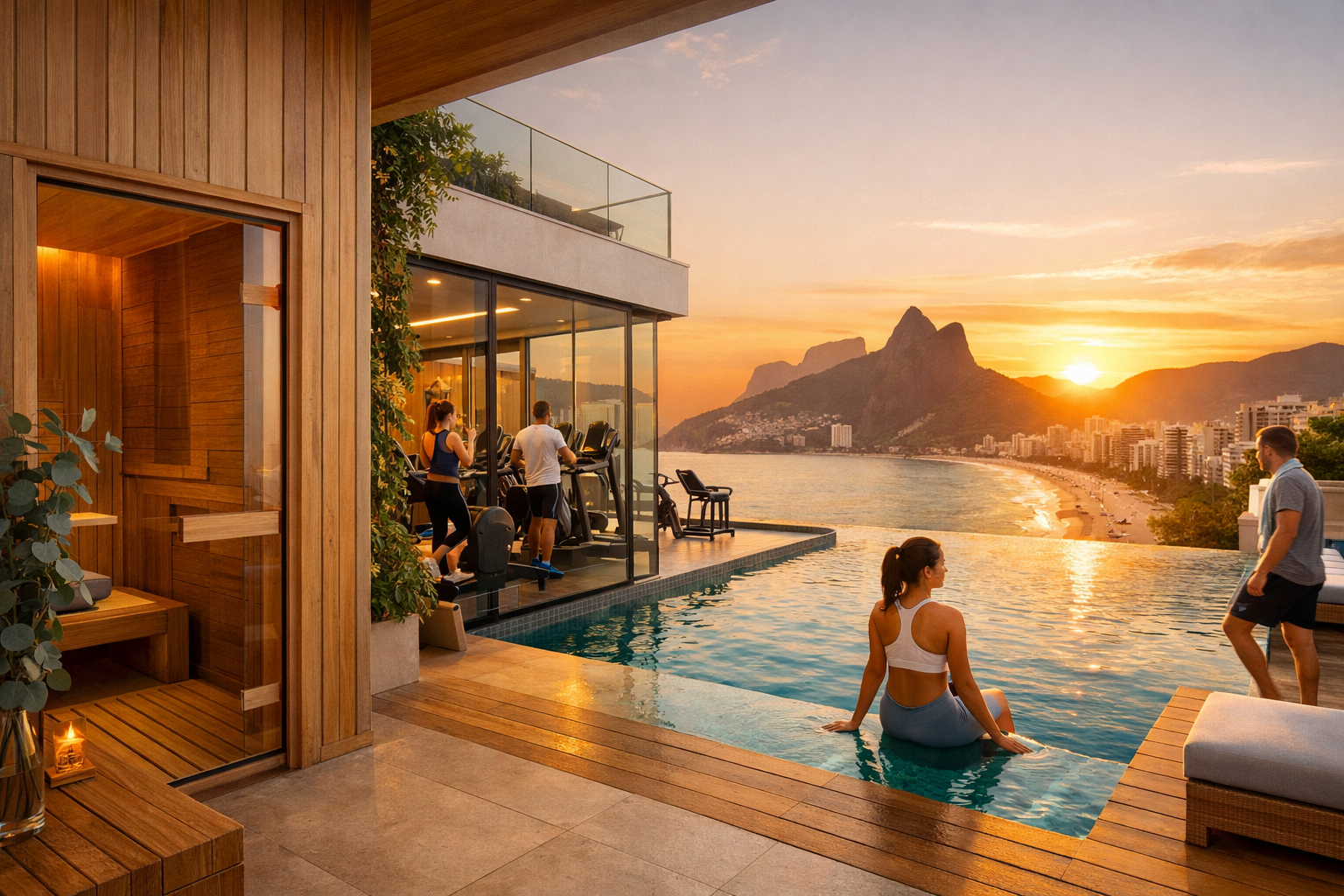
The transition of wellness amenities from luxury extras to baseline requirements reflects broader market maturation. The 2026 market outlook confirms that buyers expect “complete leisure areas (gym, sauna, rooftop infinity pool)” as standard inclusions [2]. This expectation applies across all luxury developments in Zona Sul, not just ultra-premium projects.
Wellness certifications have emerged as important differentiators, though the baseline expectation is comprehensive amenity provision regardless of formal certification. Developers increasingly design buildings with health-focused features including:
- 🏋️ Professional-grade fitness centers with Technogym or equivalent equipment
- 🧖 Full spa facilities including saunas, steam rooms, and massage areas
- 🏊 Multiple pool options including lap pools, leisure pools, and rooftop infinity pools
- 🧘 Dedicated yoga and meditation spaces with natural lighting and ventilation
- 🌿 Biophilic design elements incorporating natural materials and living walls
These amenities must be fully integrated into the building design, not afterthoughts or retrofitted additions. The quality, maintenance, and accessibility of wellness facilities directly impact property values and resale potential.
Technology Integration: The Conde de Mallorca Standard
The Conde de Mallorca development in Ipanema exemplifies how integrated technology has become standard in luxury Zona Sul projects [1]. This development includes:
- Fingerprint entry systems throughout the building
- Central vacuum systems integrated into wall panels
- Programmable showers and baths with preset temperature and pressure controls
- Smart car parking systems with automated space allocation
- Integrated home automation controlling all building systems
Critically, these features are integrated into the baseline offering, not available as premium upgrades. This approach reflects the reality that modern luxury buyers expect comprehensive technology infrastructure as foundational, similar to expecting plumbing and electrical systems.
The Developer Imperative: Embed, Don’t Upgrade
Leading developers like Concal, with over 130 completed luxury developments across Ipanema, Leblon, Lagoa, and Jardim Botânico, maintain market dominance through “a focus on high quality finishing and innovation” with developments differentiated by state-of-the-art technology integration [1]. This approach recognizes that technology and wellness must be embedded from the design phase, not offered as optional packages.
The cost structure has evolved accordingly. Rather than offering base units with upgrade options, developers now include comprehensive technology and wellness infrastructure in all units, adjusting base pricing to reflect these inclusions. This approach provides several advantages:
✓ Consistent building standards across all units ✓ Simplified sales and marketing without complex upgrade matrices ✓ Enhanced resale value through uniform quality ✓ Reduced construction complexity with single specification sets ✓ Improved buyer satisfaction through clear value proposition
For developers exploring opportunities in other Brazilian markets, understanding these baseline expectations is crucial. The best places to invest in Brazil property increasingly require similar integrated approaches to remain competitive in the luxury segment.
Luxury Residential Resilience in Rio’s Zona Sul: Market Dynamics and Value Protection
Limited Supply Protects Premium Pricing
Limited new construction in prime South Zone areas protects prices and maintains market resilience [2]. The geographic constraints of Zona Sul—bounded by ocean, lagoon, and mountains—naturally restrict development opportunities. This scarcity, combined with elevated baseline expectations for technology and wellness integration, creates a high barrier to entry for new developments.
The result is a resilient luxury market where properties maintain value even during broader economic uncertainty. Rio is considered “one of the safest and most enjoyable luxury markets in Latin America” due to this supply constraint and consistent international demand [2].
Price Growth Projections and Value Drivers
As of early 2026, luxury property prices in Rio de Janeiro are projected to grow by approximately 45% to 75% in total over the next 10 years in nominal terms [4]. This substantial growth reflects several factors:
- Limited supply in prime coastal neighborhoods
- Strong international demand from multiple geographic markets
- Currency advantages for foreign buyers
- Lifestyle appeal of beachfront living with urban amenities
- Embedded technology and wellness infrastructure protecting against obsolescence
Infrastructure investments are expected to drive 15-20% value increases in specific neighborhoods over 3-5 years, though these benefits concentrate in North and West Zone areas along new BRT lines and metro extensions. Prime coastal neighborhoods remain somewhat insulated from direct infrastructure program impact, deriving value primarily from location, scarcity, and quality [4].
Neighborhood Hierarchy and Pricing
Ipanema and Leblon command the highest demand and pricing in the luxury segment. Ipanema remains “at the top of every buyer’s list” due to its famous beach and views of Dois Irmãos mountain, while Leblon “offers the highest level of privacy and prestige in Rio” with the highest square-meter prices in Brazil [2].
| Neighborhood | Key Attributes | Buyer Profile | Price Position |
|---|---|---|---|
| Leblon | Highest privacy and prestige | Ultra-high-net-worth, families | Highest in Brazil |
| Ipanema | Iconic beach, Dois Irmãos views | International buyers, celebrities | Top tier |
| Lagoa | Lagoon views, green spaces | Families, active lifestyle | Premium |
| Jardim Botânico | Botanical gardens, quieter | Professionals, retirees | Upper premium |
All these neighborhoods now require comprehensive technology and wellness integration as baseline standards. Developments lacking these features face significant competitive disadvantages regardless of location.
Current Development Activity
Current luxury developments demonstrate continued market activity and resilience. Notable projects include:
- Conde de Versailles in Leblon
- Résidences Belle Vue in Alto Leblon
- Conde de Mallorca in Ipanema [1]
- Multiple projects expanding into emerging middle-class markets
These developments consistently incorporate integrated technology and comprehensive wellness amenities as standard features, not optional upgrades. This approach has become the competitive baseline for luxury developments in 2026.
For developers and investors evaluating opportunities in growing Brazilian markets, the mercado imobiliário da Grande Florianópolis offers insights into how luxury standards evolve in emerging premium markets.
Strategic Implications for Developers and Investors
Development Strategy: Integrate from Inception
The strategic imperative for developers is clear: integrate wellness and technology infrastructure from project inception, not as afterthoughts or optional upgrades. This approach requires:
Design Phase Integration:
- Collaborate with technology consultants during architectural design
- Plan electrical, data, and mechanical systems for comprehensive smart home integration
- Design wellness spaces with professional equipment specifications
- Incorporate biophilic elements and natural materials throughout
Construction Phase Execution:
- Install infrastructure during construction, not as retrofits
- Use quality components that ensure long-term reliability
- Test all systems comprehensively before unit delivery
- Document systems thoroughly for resident and maintenance use
Marketing and Sales Approach:
- Position technology and wellness as core value propositions
- Demonstrate systems during property tours
- Provide comprehensive training for new residents
- Emphasize long-term value protection through modern infrastructure
Investment Considerations
For investors evaluating luxury properties in Rio’s Zona Sul, the presence of integrated technology and comprehensive wellness amenities directly impacts:
📈 Appreciation potential: Properties with modern infrastructure resist obsolescence 🏠 Rental income: Premium tenants expect and pay for integrated systems 💰 Resale value: Comprehensive amenities attract broader buyer pools 🔒 Value protection: Baseline modern features prevent competitive disadvantage
Properties lacking these features face increasing disadvantages as market standards evolve. The valorizacao para quem compra na planta demonstrates how early investment in properly specified developments maximizes returns.
Competitive Positioning in 2026
Developers must recognize that Luxury Residential Resilience in Rio’s Zona Sul: Why Wellness Certifications and Integrated Technology Are Now Baseline Expectations, Not Premiums reflects permanent market evolution, not temporary trends. The competitive landscape now requires:
✅ Comprehensive smart home systems as standard across all units ✅ Professional-grade wellness facilities comparable to premium health clubs ✅ Biometric security infrastructure throughout building access points ✅ Sustainable building systems reducing operational costs ✅ Flexible technology platforms allowing future upgrades without major retrofits
Developments meeting these baseline standards compete on location, design, views, and service quality. Those lacking these features struggle regardless of other advantages.
For developers exploring emerging opportunities, understanding how criptomoedas e incorporação imobiliária intersect with modern luxury development provides insights into innovative financing and buyer payment preferences.
Future Outlook: Evolving Standards and Market Resilience
Technology Evolution and Building Adaptability
The rapid pace of technology evolution requires developers to design buildings with adaptable infrastructure rather than fixed systems. Future-proof developments include:
- Robust data infrastructure supporting bandwidth increases
- Modular smart home platforms allowing component upgrades
- Flexible electrical systems accommodating new devices and charging requirements
- Open architecture enabling integration of emerging technologies
This adaptability protects property values as technology continues evolving beyond 2026 standards.
Wellness Integration Deepening
Wellness integration will likely deepen beyond physical amenities to include:
- Air quality monitoring and purification systems
- Circadian lighting systems supporting natural sleep cycles
- Acoustic design minimizing noise pollution
- Water filtration and quality monitoring
- Outdoor spaces with therapeutic landscaping
These features represent the next evolution of wellness-focused design, moving from amenity provision to holistic health environment creation.
Market Resilience Factors
Several factors support continued resilience in Rio’s luxury Zona Sul market:
🌍 Global demand: International buyers provide consistent demand across economic cycles 🏖️ Lifestyle appeal: Beachfront urban living remains highly desirable 🔒 Supply constraints: Geographic limitations protect against oversupply 💎 Quality standards: High baseline expectations maintain property values 📊 Price growth trajectory: Projected 45-75% growth over 10 years supports investment thesis [4]
The combination of these factors creates a robust luxury market where properties meeting modern baseline expectations maintain value and attract buyers even during broader economic uncertainty.
For investors considering diversification across Brazilian markets, exploring vida em Florianópolis provides perspective on alternative luxury coastal markets with different characteristics and opportunities.
Conclusion
Luxury Residential Resilience in Rio’s Zona Sul: Why Wellness Certifications and Integrated Technology Are Now Baseline Expectations, Not Premiums represents a fundamental market evolution driven by post-pandemic buyer priorities and international luxury standards. The transformation of smart home systems, biometric security, and comprehensive wellness amenities from premium add-ons to essential baseline features reflects a mature luxury market where developers must embed these elements from project inception to remain competitive.
The strategic implications are clear for all market participants:
For Developers: Integrate technology and wellness infrastructure during the design phase, not as optional upgrades. Position these features as core value propositions that protect long-term property values and ensure competitive positioning.
For Investors: Prioritize properties with comprehensive integrated systems that resist obsolescence and maintain value as market standards continue evolving. Recognize that baseline expectations will only increase over time.
For Buyers: Expect and demand integrated technology and wellness amenities as standard inclusions. Properties lacking these features face increasing competitive disadvantages and potential value erosion.
The Rio luxury market’s resilience—supported by limited supply, strong international demand, and projected 45-75% price growth over the next decade—creates compelling opportunities for those who understand and meet modern baseline expectations. Success requires recognizing that wellness certifications and integrated technology are no longer premium differentiators but essential foundations for luxury residential developments in 2026 and beyond.
Next Steps
For Developers:
- Engage technology and wellness consultants during early design phases
- Visit completed developments like Conde de Mallorca to understand integration standards
- Budget for comprehensive systems as baseline inclusions, not optional upgrades
For Investors:
- Evaluate properties based on technology and wellness infrastructure quality
- Consider pre-construction opportunities in properly specified developments
- Assess long-term value protection through modern baseline features
For Market Participants:
- Monitor evolving standards in international luxury markets
- Stay informed about emerging technologies applicable to residential developments
- Recognize that baseline expectations will continue rising as technology advances
To explore opportunities in Brazil’s evolving luxury real estate markets and understand how modern development standards create value, visit Quadragon’s developments or contact our team for detailed market insights and investment guidance.
References
[1] Luxury Development In Ipanema Beach – https://www.riotimesonline.com/luxury-development-in-ipanema-beach/
[2] Luxury Condominiums In Rio De Janeiro A 2026 Market Outlook For High End Buyers – https://www.oabitat.com/en/luxury-condominiums-in-rio-de-janeiro-a-2026-market-outlook-for-high-end-buyers/
[4] Rio De Janeiro Price Forecasts – https://thelatinvestor.com/blogs/news/rio-de-janeiro-price-forecasts