
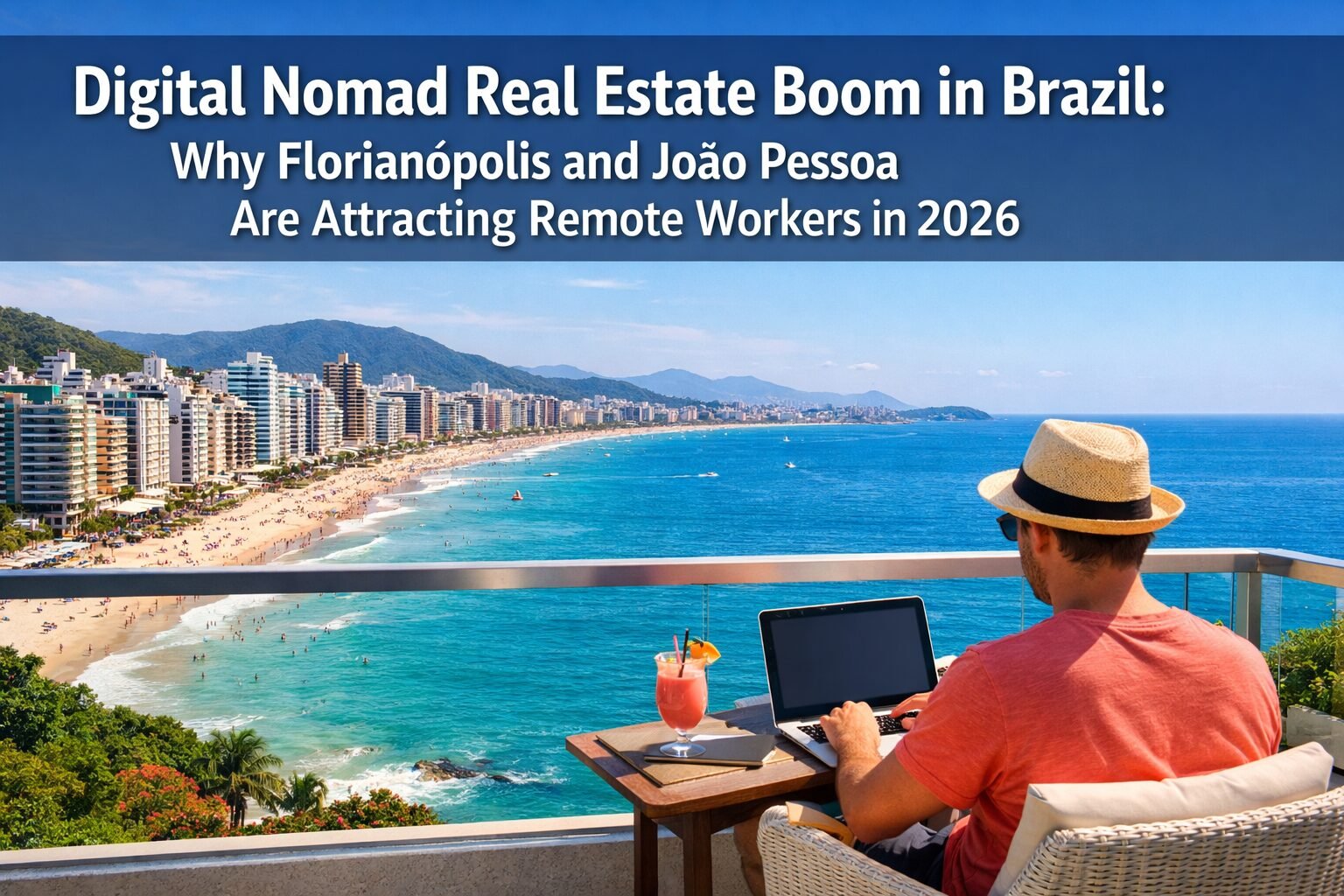
Brazil’s coastal cities are experiencing a remarkable transformation. The Digital Nomad Real Estate Boom in Brazil: Why Florianópolis and João Pessoa Are Attracting Remote Workers in 2026 represents more than just a trend—it’s a fundamental shift in how international remote workers choose their home base. With fiber-optic internet infrastructure now rivaling major tech hubs and dedicated home office spaces commanding premium rental rates, these Brazilian coastal gems have become magnets for location-independent professionals seeking the perfect blend of work efficiency and lifestyle quality. 🌴💻
The convergence of strategic time zone advantages, affordable living costs, and world-class beach access has positioned these cities as primary beneficiaries of the global remote work revolution. As regulatory environments mature and property developers respond with purpose-built digital nomad accommodations, investors are discovering exceptional opportunities in a market that’s just beginning to reach its potential.
Key Takeaways
- Florianópolis and João Pessoa are designated as prime digital nomad hubs due to superior fiber internet infrastructure and dedicated home office amenities that command premium rental yields
- Time zone alignment with the U.S. East Coast provides strategic advantages for remote workers, driving sustained demand in Brazilian coastal markets
- Short-term rental investments in properties with remote work features are generating significantly higher returns than traditional long-term rentals
- Sustainability features and green building certifications are commanding premium valuations as digital nomads prioritize eco-conscious living spaces
- Professional property management has become essential for international investors navigating Brazil’s evolving regulatory landscape
The Infrastructure Revolution: How Fiber Internet Is Transforming Brazilian Real Estate
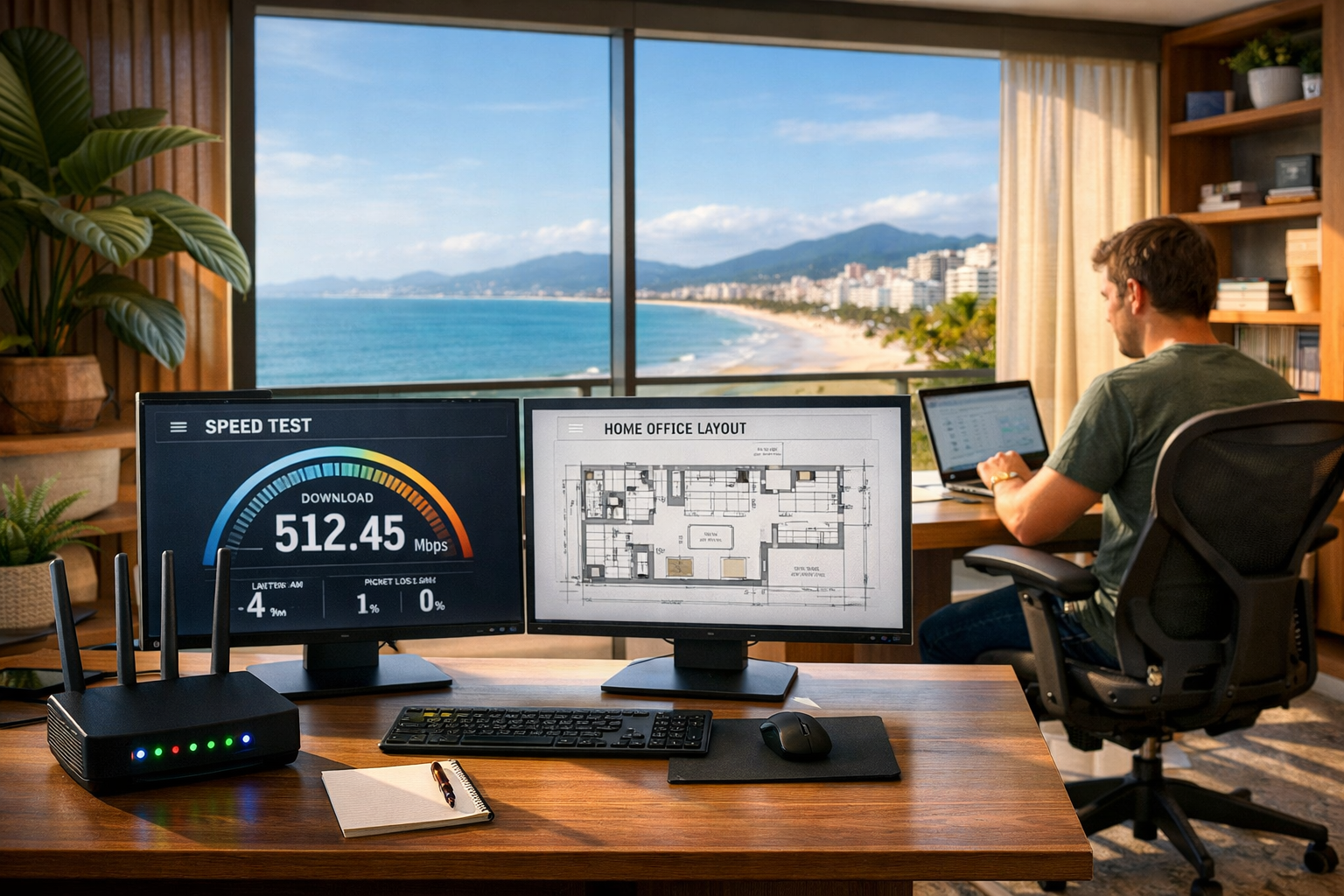
The foundation of the Digital Nomad Real Estate Boom in Brazil: Why Florianópolis and João Pessoa Are Attracting Remote Workers in 2026 rests on one critical element: reliable, high-speed internet connectivity. Unlike previous waves of expatriate interest in Brazilian coastal cities, today’s remote workers have non-negotiable technical requirements that directly influence property values.
Fiber Optic Networks as Value Drivers
Properties equipped with dedicated fiber-optic connections are commanding rental premiums of 15-25% compared to similar units with standard internet access.[1] This infrastructure advantage has become so significant that developers are now marketing fiber connectivity as prominently as ocean views or proximity to beaches.
In Florianópolis, neighborhoods like Jurerê Internacional and Campeche have seen comprehensive fiber network installations that deliver symmetrical speeds exceeding 500 Mbps—more than adequate for video conferencing, cloud computing, and collaborative remote work. João Pessoa’s coastal districts, particularly Tambau and Cabo Branco, have followed suit with similar infrastructure investments.
Key infrastructure features driving premium valuations:
- Dedicated fiber-optic lines to individual units (not shared building connections)
- Backup power systems ensuring uninterrupted connectivity during outages
- Mesh Wi-Fi networks providing seamless coverage throughout properties
- Ethernet ports strategically placed in home office spaces
- ISP redundancy with multiple provider options available
The Home Office Premium
Beyond connectivity, the physical workspace itself has become a critical differentiator. Properties featuring dedicated home office spaces with proper ergonomic design, natural lighting, and acoustic privacy are attracting digital nomads willing to pay substantial premiums.[1]
Modern developments in both cities now incorporate:
✅ Soundproofed office rooms with doors (not just open-concept spaces)
✅ Built-in desk infrastructure with cable management systems
✅ Adjustable lighting optimized for video calls and screen work
✅ Climate control independent from main living areas
✅ Multiple electrical outlets and USB charging stations
These purpose-built features transform standard residential properties into professional remote work environments, justifying higher rental rates and attracting longer-term tenants who view housing as essential business infrastructure. For investors exploring opportunities in the real estate market of Florianópolis, understanding these infrastructure requirements is essential.
Why Florianópolis and João Pessoa Lead the Digital Nomad Real Estate Boom in Brazil in 2026
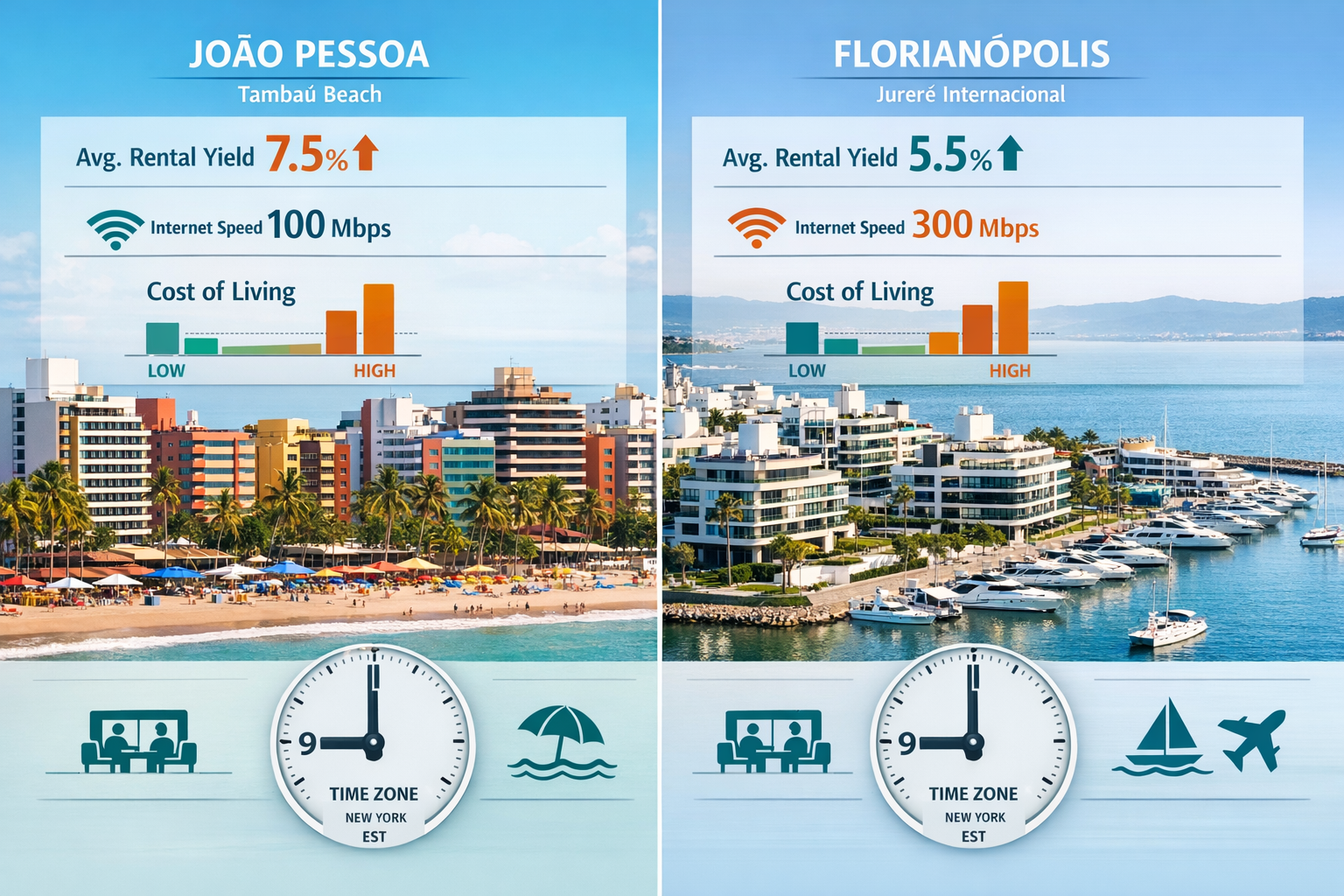
While Brazil offers numerous coastal destinations, Florianópolis and João Pessoa have emerged as the undisputed leaders in attracting remote workers. Understanding why these specific cities dominate the Digital Nomad Real Estate Boom in Brazil: Why Florianópolis and João Pessoa Are Attracting Remote Workers in 2026 reveals strategic advantages that extend far beyond beautiful beaches.
Florianópolis: The Digital Nomad Paradise
Often called “The Digital Nomad Paradise,” Florianópolis has become a magnet for remote workers seeking high quality of life, superior security, and a strong local economy.[2] The island city’s unique positioning offers several compelling advantages:
🏝️ Geographic and Lifestyle Benefits:
- 42 beaches providing diverse options from surf spots to calm bays
- Island setting creating natural boundaries and community cohesion
- Moderate climate year-round (avoiding extreme tropical heat)
- European cultural influence from Portuguese and German immigration
- High safety standards compared to major Brazilian metropolitan areas
💼 Professional Ecosystem:
- Established tech startup community providing networking opportunities
- Multiple coworking spaces with professional amenities
- Business-friendly municipal government encouraging entrepreneurship
- Growing expat community offering support networks and social integration
The city’s quality of life advantages extend beyond work requirements, creating a holistic environment where remote workers can thrive professionally while enjoying exceptional personal experiences. Neighborhoods like Ingleses have seen particular growth in infrastructure and property values as digital nomad demand increases.
João Pessoa: The Emerging Alternative
João Pessoa, capital of Paraíba state, represents a compelling alternative for remote workers seeking exceptional value without sacrificing essential amenities. This Northeast coastal city offers:
💰 Economic Advantages:
- 30-40% lower cost of living compared to Florianópolis
- More affordable property prices with similar amenities
- Growing rental market with less competition among landlords
- Favorable currency exchange rates for dollar-earning remote workers
🌅 Unique Positioning:
- Easternmost point of the Americas (strategic for European time zone overlap)
- Less touristy atmosphere providing more authentic Brazilian experience
- Expanding infrastructure investments from state and federal governments
- Emerging digital nomad community creating ground-floor opportunities
📍 Lifestyle Differentiation:
- Warmer tropical climate appealing to those seeking year-round summer
- Less crowded beaches with more space and tranquility
- Lower population density reducing urban stress
- Strong local culture with vibrant arts and music scenes
The Time Zone Advantage
Both cities share a critical strategic benefit: alignment with U.S. East Coast business hours. Brazil’s time zone positioning creates only a 1-2 hour difference with New York, enabling remote workers to maintain synchronous collaboration with North American teams—a significant advantage over Asian or European alternatives.[1]
This temporal alignment means:
- Real-time participation in U.S. business meetings without extreme schedule adjustments
- Overlap with both U.S. and European working hours for global teams
- Normal sleep schedules while maintaining professional availability
- Weekend synchronization with North American colleagues and clients
Investment Opportunities: Premium Yields Through Strategic Positioning
The Digital Nomad Real Estate Boom in Brazil: Why Florianópolis and João Pessoa Are Attracting Remote Workers in 2026 has created exceptional opportunities for savvy investors who understand the specific property characteristics that command premium returns.
Short-Term Rental Market Dynamics
The Airbnb and short-term rental market has emerged as “the single most powerful driver of foreign investment in Brazilian residential property,” with projected rental yields in specific micro-markets significantly outstripping traditional long-term rental returns.[1]
Comparative Yield Analysis:
| Property Type | Traditional Rental Yield | Short-Term Rental Yield | Premium Difference |
|---|---|---|---|
| Standard 2BR Apartment | 4-6% annually | 6-8% annually | +33-50% |
| 2BR with Home Office | 5-7% annually | 9-12% annually | +71-80% |
| 3BR with Premium Amenities | 5-6% annually | 12-15% annually | +140-150% |
| Studio with Fiber Internet | 6-8% annually | 10-14% annually | +67-75% |
Properties specifically designed or renovated to meet digital nomad requirements consistently achieve occupancy rates 20-30% higher than comparable units without remote work features.
The Qualitative Shift in Demand
Rather than massive new construction volumes, 2026 demand reflects a “qualitative shift” toward properties featuring better amenities, dedicated remote work spaces, and access to green areas.[1] This trend favors strategic renovations and targeted improvements over speculative development.
High-ROI Property Improvements:
- Fiber Internet Installation ($500-1,500): ROI of 200-300% through rental premiums
- Dedicated Office Space Creation ($2,000-5,000): ROI of 150-250%
- Ergonomic Furniture Package ($1,000-2,000): ROI of 100-200%
- Soundproofing Enhancements ($1,500-3,000): ROI of 120-180%
- Smart Home Technology ($800-2,000): ROI of 80-150%
For those considering investment in studios, the digital nomad market presents unique opportunities for compact, efficiently designed spaces that maximize rental returns.
Currency Advantages and Timing
International buyers are advised to “lock in assets while the BRL remains favourable” and focus on high-demand tourism hubs, particularly the Northeast and prime Southern beaches optimized for the Airbnb market to generate high dollar-based yields.[1]
The Brazilian Real’s relative weakness against major currencies creates a strategic entry point for foreign investors:
- Property acquisition costs remain 30-50% below comparable beach destinations globally
- Dollar-denominated rental income from international digital nomads provides currency hedge
- Capital appreciation potential as international demand drives local currency valuations
- Renovation budgets stretch further with favorable exchange rates
Those exploring where to invest in Brazilian property should prioritize markets with established digital nomad infrastructure and growing international awareness.
Sustainability and Premium Positioning in the Digital Nomad Real Estate Boom
An often-overlooked dimension of the Digital Nomad Real Estate Boom in Brazil: Why Florianópolis and João Pessoa Are Attracting Remote Workers in 2026 is the growing importance of sustainability features in commanding premium valuations.
The Eco-Conscious Digital Nomad
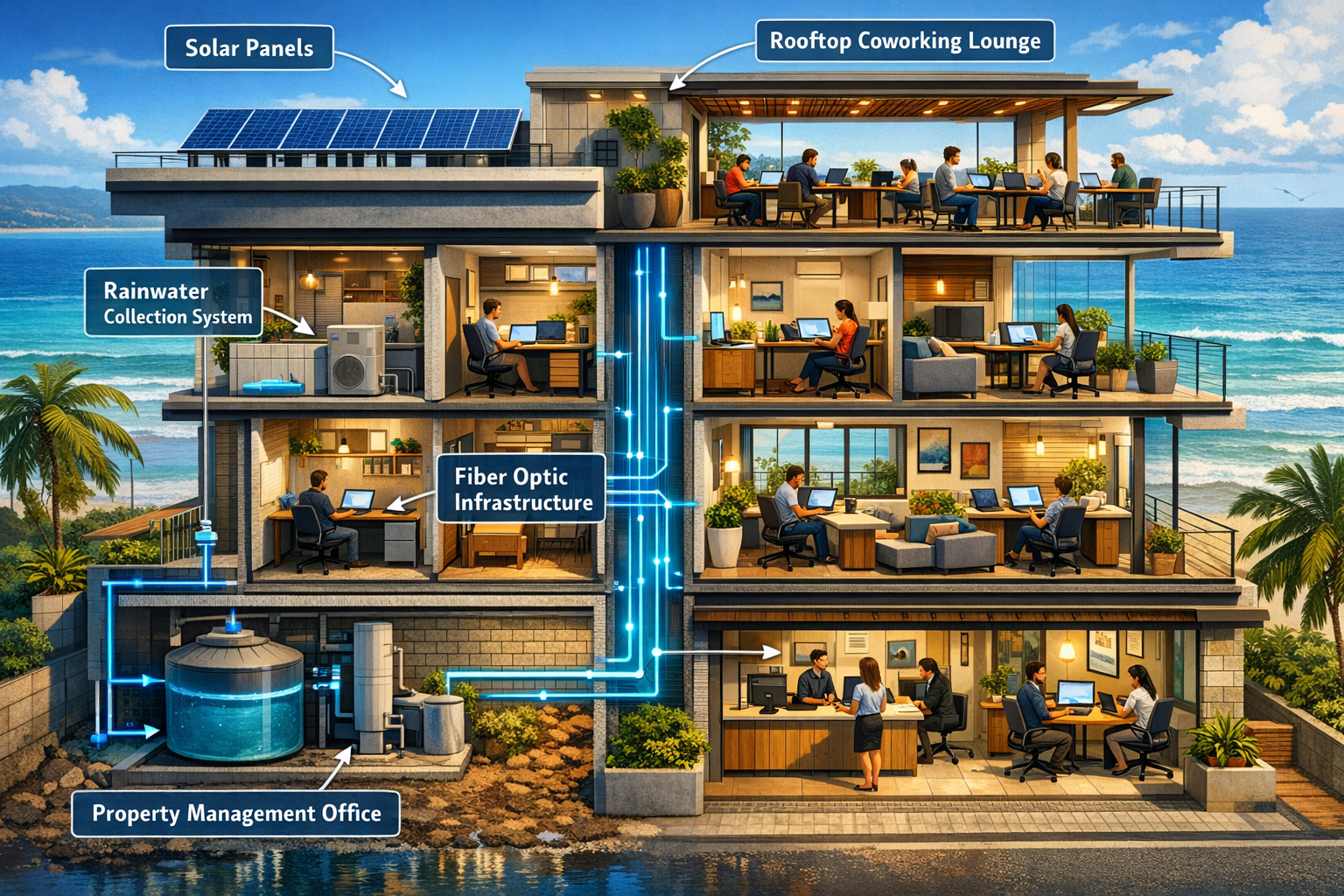
Remote workers, particularly those from North American and European markets, increasingly prioritize environmental responsibility in their housing choices. Properties incorporating sustainable building materials, water conservation systems, solar energy, and genuine connections to nature are predicted to see premium valuations in 2026.[1]
High-Value Sustainability Features:
🌱 Solar Energy Systems
- Rooftop solar panels reducing electricity costs by 50-80%
- Battery storage systems ensuring power during grid outages
- Net metering arrangements generating credits during low-usage periods
- Marketing appeal to environmentally conscious tenants
💧 Water Conservation Infrastructure
- Rainwater collection and filtration systems
- Greywater recycling for landscape irrigation
- Low-flow fixtures reducing consumption without sacrificing comfort
- Drought-resistant native landscaping minimizing maintenance
♻️ Sustainable Building Materials
- Locally sourced materials reducing carbon footprint
- Non-toxic finishes improving indoor air quality
- Thermal insulation reducing cooling energy requirements
- Recycled or reclaimed materials adding character and story
🌿 Biophilic Design Elements
- Living walls and vertical gardens
- Natural ventilation systems reducing AC dependence
- Maximized natural lighting reducing electrical usage
- Indoor-outdoor flow connecting residents with nature
Green Certifications and Marketing Advantage
Properties with recognized environmental certifications (LEED, AQUA-HQE, or Brazil’s Selo Casa Azul) command rental premiums of 10-20% while also attracting longer-term, more responsible tenants who treat properties with greater care.
These certifications provide:
✅ Marketing differentiation in crowded rental markets
✅ Higher-quality tenant attraction with lower turnover
✅ Reduced operating costs through efficiency improvements
✅ Future-proofing against evolving environmental regulations
✅ Premium resale values as sustainability becomes mainstream
Navigating Regulatory Challenges and Property Management
As the Digital Nomad Real Estate Boom in Brazil: Why Florianópolis and João Pessoa Are Attracting Remote Workers in 2026 matures, understanding the regulatory landscape becomes essential for long-term investment success.
Evolving Short-Term Rental Regulations
Rio de Janeiro and São Paulo are predicted to see stricter short-term rental regulations regarding zoning, taxation, and registration, while smaller resort communities may offer more leniency for Airbnb operators.[1] This regulatory divergence creates strategic advantages for investors in secondary markets like Florianópolis and João Pessoa.
Current Regulatory Considerations:
📋 Registration Requirements
- Municipal tourism registration for short-term rentals
- Tax identification numbers (CPF or CNPJ) for property operations
- Compliance with local condominium rules regarding rentals
- Insurance requirements for short-term guest accommodation
💰 Taxation Framework
- Income tax on rental earnings (15-27.5% depending on structure)
- Municipal service tax (ISS) on rental transactions
- Property tax (IPTU) with potential surcharges for short-term use
- Potential tourist taxes in specific municipalities
🏛️ Zoning and Use Restrictions
- Residential vs. commercial zoning implications
- Condominium bylaws potentially restricting short-term rentals
- Neighborhood associations influencing local regulations
- Building-specific restrictions on rental activities
The Critical Role of Professional Property Management
As regulatory environments mature, “the ability to engage reputable, compliant property management services will be paramount for international owners” operating short-term rental properties.[1]
Essential Property Management Services:
Guest Communication and Booking Management
- Multi-platform listing optimization (Airbnb, VRBO, Booking.com)
- 24/7 guest support in multiple languages
- Check-in/check-out coordination
- Review management and reputation building
Maintenance and Operations
- Regular property inspections
- Preventive maintenance scheduling
- Emergency repair coordination
- Cleaning and turnover services
Financial and Legal Compliance
- Tax filing and payment processing
- Regulatory compliance monitoring
- Financial reporting and owner distributions
- Contract management and legal documentation
Market Optimization
- Dynamic pricing strategies maximizing occupancy and rates
- Seasonal marketing campaigns
- Competitive analysis and positioning
- Property improvement recommendations
Management Fee Structures:
- Full-service management: 20-30% of gross rental income
- Placement-only services: 10-15% of gross rental income
- Hybrid models: 15-25% with tiered service options
For international investors, professional management isn’t optional—it’s the difference between successful passive income generation and operational nightmares involving language barriers, time zone challenges, and unfamiliar legal systems.
Market Outlook: What’s Next for Brazil’s Digital Nomad Real Estate Boom
The trajectory of the Digital Nomad Real Estate Boom in Brazil: Why Florianópolis and João Pessoa Are Attracting Remote Workers in 2026 suggests continued growth with evolving characteristics.
Emerging Micro-Markets
While Florianópolis and João Pessoa lead current demand, several emerging markets show promising indicators:
🌊 Northeast Coast Expansion
- Natal (Rio Grande do Norte) offering excellent value with steady appreciation
- Praia da Pipa attracting bohemian digital nomad demographic
- Maceió developing infrastructure targeting remote workers
- Salvador leveraging cultural richness and improving safety
🏖️ Southern Beach Communities
- Balneário Camboriú appealing to South American digital nomads
- Bombinhas providing quieter alternatives near Florianópolis
- Garopaba attracting surf-oriented remote workers
- Imbituba developing as emerging value market
Technology Integration Trends
The next wave of digital nomad properties will feature:
- Smart home automation for remote property monitoring
- IoT sensors tracking energy usage and optimizing efficiency
- Virtual reality tours for international tenant acquisition
- Blockchain-based rental contracts streamlining international transactions
- AI-powered pricing optimization maximizing rental yields
Demographic Diversification
While early digital nomad adopters skewed toward tech workers aged 25-40, the market is diversifying to include:
- Retirees with remote consulting arrangements
- Families seeking international education experiences
- Creative professionals (writers, designers, artists)
- Corporate executives with flexible work arrangements
- Entrepreneurs building location-independent businesses
This demographic expansion creates opportunities for varied property types beyond the studio and one-bedroom units that initially dominated digital nomad inventory.
Conclusion: Capitalizing on Brazil’s Digital Nomad Real Estate Opportunity
The Digital Nomad Real Estate Boom in Brazil: Why Florianópolis and João Pessoa Are Attracting Remote Workers in 2026 represents a convergence of technological infrastructure, lifestyle quality, economic opportunity, and strategic positioning that creates exceptional value for informed investors and remote workers alike.
Key Success Factors for Investors:
- Prioritize infrastructure over aesthetics – Fiber internet and dedicated office spaces command higher premiums than luxury finishes
- Focus on sustainability features – Eco-conscious amenities attract quality tenants and justify premium pricing
- Engage professional management – Regulatory compliance and operational excellence require local expertise
- Target strategic locations – Proximity to beaches, coworking spaces, and expat communities maximizes demand
- Plan for currency advantages – Lock in favorable BRL exchange rates while opportunities exist
Actionable Next Steps:
✅ Research specific neighborhoods in Florianópolis and João Pessoa with established digital nomad communities
✅ Connect with local property managers before purchasing to understand operational realities
✅ Visit properties in person or arrange comprehensive virtual tours focusing on internet infrastructure
✅ Analyze comparable rental data from Airbnb and VRBO to validate yield projections
✅ Consult with Brazilian tax professionals to optimize ownership structures
✅ Join digital nomad forums focused on Brazil to understand tenant perspectives and preferences
For those ready to explore opportunities in this dynamic market, understanding the performance trends in Florianópolis real estate provides valuable context for investment timing and positioning.
The digital nomad revolution has permanently altered how people think about work, lifestyle, and geographic freedom. Brazil’s coastal cities—led by Florianópolis and João Pessoa—have positioned themselves at the forefront of this transformation, offering infrastructure, affordability, and quality of life that few global destinations can match. For investors who recognize this opportunity and act strategically, the rewards extend far beyond financial returns to include participation in a fundamental reimagining of how and where people choose to live and work in the 21st century. 🌎✨
References
[1] Brazil Property Market Predictions For 2026 – https://esalesinternational.com/2025/11/20/brazil-property-market-predictions-for-2026/
[2] Living In Brazil The Complete Guide For Foreigners – https://markdmartin.com/living-in-brazil-the-complete-guide-for-foreigners/