
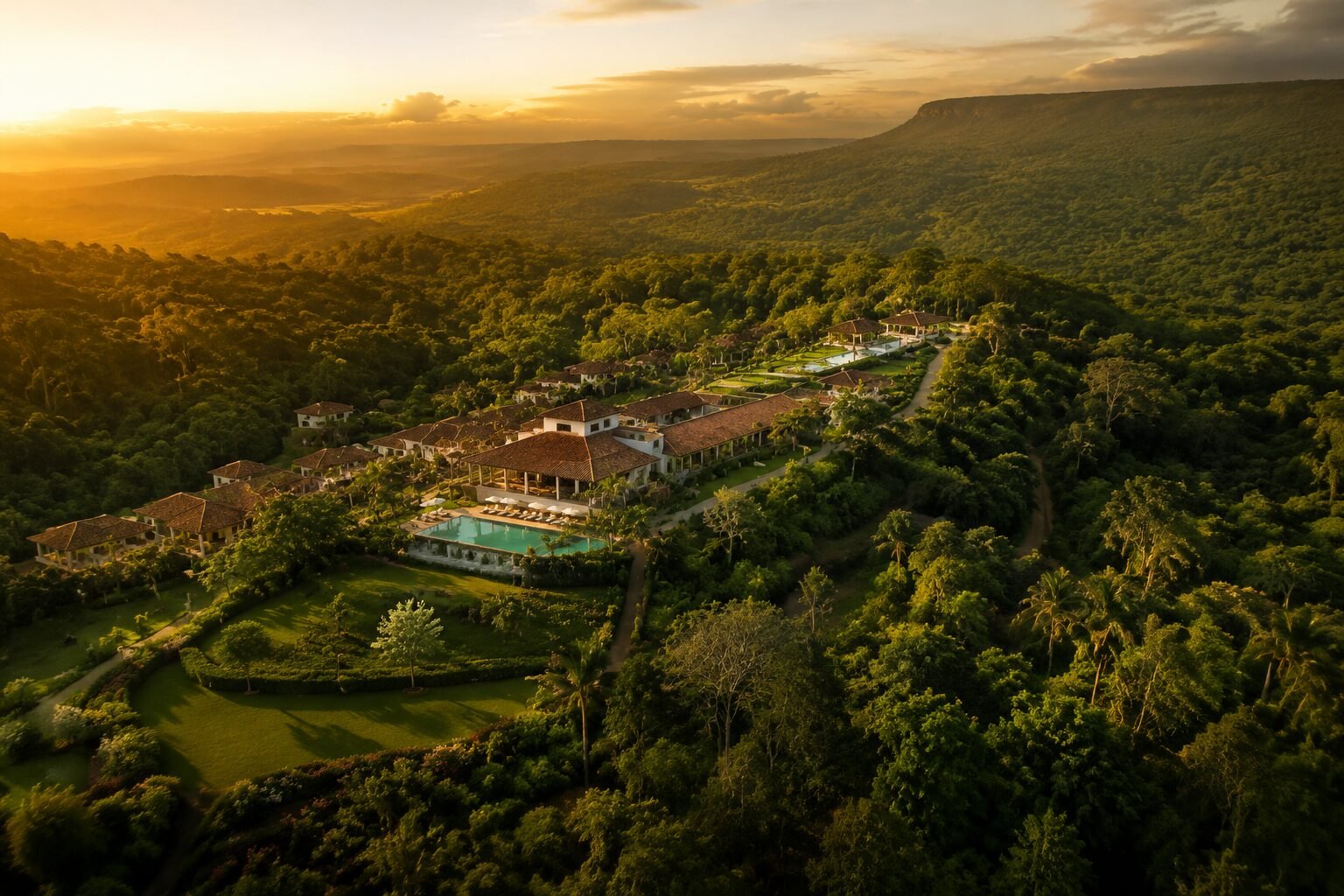
Properties within 500 meters of protected green areas in Brazil’s Northeast command measurable price premiums — and in Bahia’s interior and resort corridors, that gap is widening fast. As institutional capital from Europe and high-net-worth buyers from across the globe shift their allocation criteria toward sustainability and nature access, the financial logic behind green space proximity premiums 2026 is no longer a niche talking point. It is a core investment thesis.
This article examines how urban developments near protected areas in Bahia’s interior and resort zones are capturing those premiums, what the research says about the mechanisms driving them, and how investors and developers can position themselves to benefit in 2026 and beyond.
Key Takeaways
- Properties near protected green areas in Bahia’s interior and resort zones are commanding verified premiums of 15-25% from ESG-focused global buyers in 2026.
- The Northeast Brazil multiproperty market has reached a potential General Sales Value (VGV) of R$30.3 billion, with Bahia leading the region.
- Academic research confirms that proximity to urban green spaces positively affects residential property values, though the relationship is nuanced and context-dependent.
- Solar integration, water conservation, and biodiversity preservation are the three pillars that convert green adjacency into a bankable premium.
- Non-coastal Bahia interior locations offer untapped upside for investors who act before mainstream demand fully prices in the nature-access premium.
What Is Driving Green Space Proximity Premiums in Bahia in 2026
The concept of a green space proximity premium is straightforward: buyers pay more for properties that offer genuine, accessible connections to nature. But in 2026, the drivers behind that premium in Bahia have become more sophisticated and more durable than simple aesthetic preference.
The ESG Capital Shift
European institutional investors and high-net-worth individuals are now applying environmental, social, and governance (ESG) criteria to resort and second-home acquisitions in a way that was rare five years ago. Verified data shows that resort properties in Bahia carrying credible ESG credentials are attracting a 15 to 25 percent price premium compared to conventional equivalents [1]. This is not a soft preference — it is a hard pricing differential that developers and sellers are documenting in transaction records.
The shift is being driven by several converging forces:
- Stricter ESG reporting requirements in European capital markets are pushing institutional investors to align even leisure and hospitality assets with sustainability benchmarks.
- High-net-worth buyers increasingly treat second-home and resort investments as lifestyle-aligned assets, not purely financial ones.
- Bahia’s protected area network — including Atlantic Forest remnants, Chapada Diamantina, and coastal-interior conservation zones — provides a credible natural backdrop that is difficult to replicate or manufacture.
Solar Integration as a Value Signal
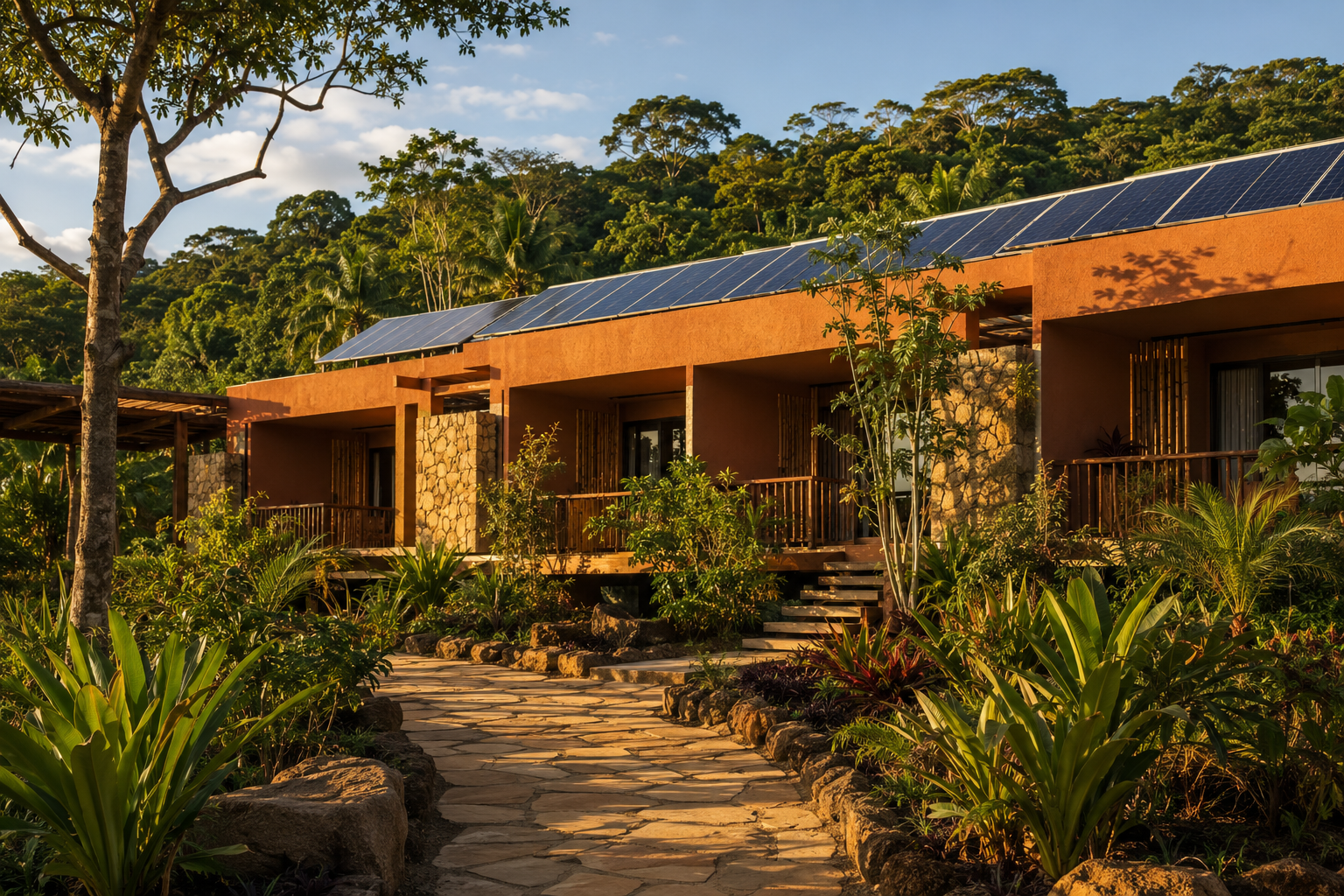
One of the clearest signals that a development is serious about its green credentials is on-site renewable energy. Resort Arcobaleno in Porto Seguro installed a mini solar power plant with over 1,600 photovoltaic panels covering 4,300 square meters in August 2025. The system generates approximately 120,000 kWh monthly, with projected annual savings of R$1 million [1]. For buyers and investors, this kind of infrastructure is not just an operational cost reducer — it is a visible, auditable commitment to sustainability that supports premium pricing.
Government Backing and Market Confidence
State-level support is reinforcing private investment. In March 2025, the Bahia state government inaugurated the Sol Grand Premium resort at Costa do Sauípe, positioning it as the largest beach resort in Brazil and providing direct state incentives to stimulate sustainable tourism and regional employment [1]. Government endorsement of this scale reduces perceived risk for investors and signals a long-term policy commitment to the region’s development model.
For investors evaluating the best places to invest in Brazil for high returns, Bahia’s combination of state support, protected area adjacency, and ESG demand creates a rare convergence of fundamentals.
The Research Behind Green Space Premiums: What the Data Actually Shows
Understanding the academic evidence is essential for separating genuine value drivers from marketing narratives. The research landscape in 2026 is rich and, importantly, nuanced.
Proximity Matters — But Context Shapes the Premium
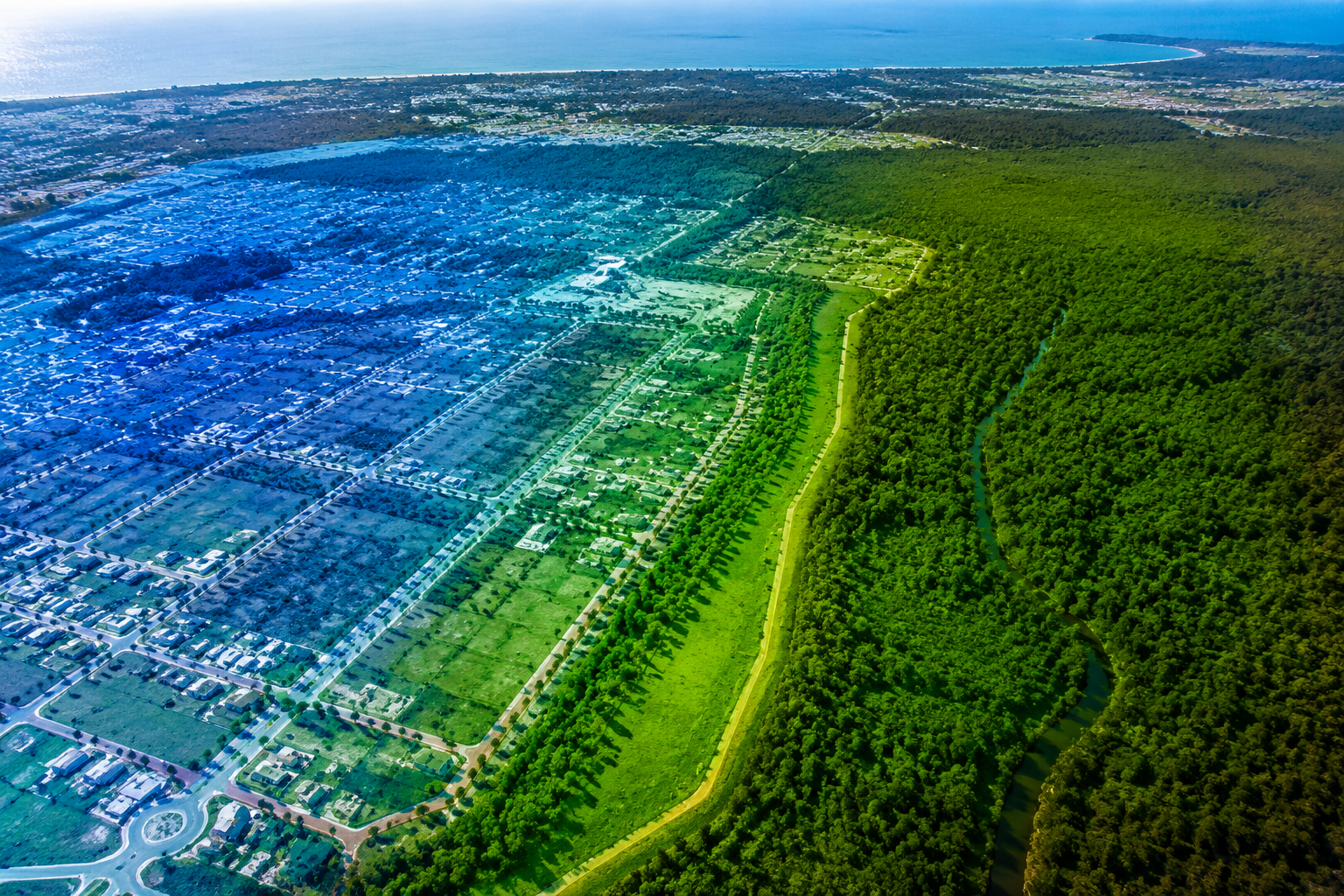
A three-level meta-analysis published in October 2026 confirms that proximity to urban green spaces generally contributes positively to residential property values [3]. However, the research introduces an important qualification: where urban green spaces are abundant, the premium for any individual property may be smaller, because scarcity drives the differential. In other words, the premium is largest where nature access is rare relative to demand — a condition that describes Bahia’s interior resort zones precisely.
A separate study published in September 2021 measuring the effects of proximity and size of urban green spaces on housing values in San José, Costa Rica, found that individuals assign substantial value to the restoration of non-developed green areas and proximity to large urban green spaces [9]. The principle transfers directly to Bahia’s context: large, intact protected areas adjacent to resort developments are not just amenities — they are value anchors.
Cooling Effects and Livability
Research published in March 2026 assessed the cooling effects of urban green spaces in four cities at similar latitudes, highlighting the role of green areas in mitigating urban heat islands [4]. In Bahia’s interior, where temperatures can be extreme, the thermal regulation provided by adjacent forest reserves and green buffers is a practical livability benefit that directly supports property desirability and, by extension, values.
Crime, Safety, and the Green Space Paradox
Not all green space adjacency is unambiguously positive. Research published in February 2026 examines how crime rates influence property values near urban greenlines, finding that while green spaces can enhance values, higher crime rates in these areas may offset the benefits [5]. This finding underscores the importance of managed, well-maintained green buffers — such as those found within formal resort developments and protected area boundaries — rather than informal or poorly maintained urban green spaces.
Developers in Bahia’s resort zones who invest in perimeter security, lighting, and active management of green corridors are therefore not just improving amenity — they are protecting the premium itself.
Strategic Spatial Planning as a Value Multiplier
An April 2026 study integrating ecosystem services and optimization analyses to prioritize green space implementation in São Paulo emphasizes the need for strategic spatial planning to maximize ecosystem service benefits [6]. The lesson for Bahia’s interior developments is clear: the placement of buildings, access corridors, and amenity zones relative to protected areas should be treated as a financial decision, not merely an aesthetic one. Developments that maximize sightlines, trail access, and ecological connectivity to adjacent reserves extract more of the available premium than those that treat the green buffer as incidental.
The US Forest Service has also documented how conservation development — balancing housing growth with land conservation on private lands near protected areas — can positively influence property values over time [7]. This model is increasingly relevant to Bahia’s interior, where private landowners and developers are beginning to formalize conservation easements as part of their project structures.
The Multiproperty Market and Green Space Premiums 2026 in Bahia Interior and Resort Zones
The multiproperty model — fractional resort ownership structured as a registered real estate product — has become the primary vehicle through which retail and institutional investors access Bahia’s green space premium story.
Market Scale and Northeast Leadership
Brazil’s multiproperty market has reached 224 developments across 99 cities in 18 states, with a potential General Sales Value (VGV) of R$100.5 billion [2]. The Northeast region, led by Bahia, Ceará, and Alagoas, accounts for 65 developments and a VGV of R$30.3 billion — representing nearly 30 percent of the national total [2].
| Region | Developments | VGV (R$ billion) |
|---|---|---|
| Northeast (Bahia, Ceará, Alagoas) | 65 | 30.3 |
| Rest of Brazil | 159 | 70.2 |
| National Total | 224 | 100.5 |
This concentration of value in the Northeast is not accidental. The region’s combination of natural assets, protected area networks, and relatively lower land costs compared to São Paulo or Rio de Janeiro creates structural conditions for premium capture that are difficult to replicate elsewhere.
Segment Diversity and Buyer Profiles
The Northeast multiproperty market offers products ranging from economic to high-end segments [2], which means the green space proximity premium is not exclusively a luxury phenomenon. Mid-market buyers are also demonstrating willingness to pay for nature access, particularly as the 15-minute city concept — which places accessible green spaces at the center of urban planning — gains traction in Brazilian urban policy [8].
Developments that position themselves at the intersection of nature access, sustainable infrastructure, and accessible pricing are capturing demand across multiple buyer segments simultaneously.
Non-Coastal Bahia: The Underpriced Opportunity
The most compelling angle for forward-looking investors in 2026 is the interior corridor. While coastal Bahia has been well-documented as a premium market, the interior — particularly areas adjacent to Chapada Diamantina National Park and the Atlantic Forest remnants of the Bahia interior highlands — remains significantly underpriced relative to its nature-access fundamentals.
Buyers seeking genuine ecological immersion, cooler temperatures, and lower density are increasingly looking inland. Developments that can credibly demonstrate proximity to protected areas, water conservation systems, and biodiversity corridors are positioned to capture the leading edge of this demand shift before it fully prices into land values.
For those tracking real estate market developments and emerging opportunities, the interior Bahia corridor represents one of the clearest cases of a premium that has not yet been fully recognized by the market.
How Developers Are Structuring Green Space Premiums Into Their Projects
The translation of green space adjacency into a bankable price premium requires deliberate development strategy. The following approaches are being applied by leading developers in Bahia’s interior and resort zones in 2026.
Water Conservation as a Differentiator
In a region where water scarcity is a genuine concern, developments that incorporate rainwater harvesting, greywater recycling, and native landscaping that reduces irrigation demand are able to demonstrate operational sustainability in a way that buyers and investors can verify. Water conservation infrastructure is increasingly cited alongside solar energy as a key ESG credential that supports premium pricing.
Biodiversity Corridors and Ecological Connectivity
Some of the most sophisticated developments in Bahia’s interior are going beyond simple adjacency to protected areas and actively creating or restoring ecological corridors that connect their land to formal reserves. This approach, aligned with the conservation development model documented by the US Forest Service [7], creates a defensible and auditable nature credential that is difficult for competitors to replicate quickly.
Certification and Third-Party Verification
ESG premiums are only sustainable when the underlying credentials are verifiable. Developers pursuing green space proximity premiums in 2026 are investing in third-party environmental certifications, biodiversity audits, and carbon accounting frameworks that allow buyers to confirm the ecological claims being made. Without this verification layer, the premium is vulnerable to reputational risk.
For investors evaluating specific projects, understanding the advantages of investing in developments with strong sustainability credentials provides a useful framework for due diligence, even when the specific geography differs.
Risk Factors and Considerations for Investors
No investment thesis is complete without an honest assessment of risks. Green space proximity premiums in Bahia’s interior and resort zones carry several specific considerations.
Regulatory risk: Protected area boundaries can change, and development restrictions near conservation zones can tighten. Investors should verify zoning status and environmental licensing before committing capital.
Liquidity: Interior Bahia developments, while appreciating, are less liquid than coastal or major urban markets. Exit timelines should be planned accordingly.
Crime and safety: As the February 2026 research notes [5], crime rates near green spaces can offset value benefits. Due diligence on local security conditions is essential.
Overabundance effect: The meta-analysis on urban green spaces [3] notes that where green spaces are abundant, individual premiums may be smaller. Investors should assess the scarcity of nature access relative to the specific market, not assume that any green adjacency automatically generates a premium.
Infrastructure gaps: Interior locations may lack the road, utility, and service infrastructure that supports premium pricing. Developments that internalize infrastructure costs — as the best resort projects do — are better positioned than those relying on public provision.
Investors considering off-plan purchases as a strategy for maximizing appreciation should pay particular attention to the infrastructure commitments embedded in the development contract.
Conclusion
The evidence for Green Space Proximity Premiums 2026: Urban Developments Near Protected Areas in Bahia Interior and Resort Zones is now robust enough to move from hypothesis to investment strategy. A verified 15-25% premium for ESG-credentialed resort properties [1], a R$30.3 billion multiproperty market in the Northeast [2], and a growing body of academic research confirming the property value effects of green space proximity [3][9] together form a compelling case for prioritizing nature-adjacent developments in Bahia’s interior corridors.
Actionable next steps for investors and developers:
- Conduct site-specific due diligence on protected area boundaries, environmental licensing, and ecological corridor potential before acquiring land in Bahia’s interior.
- Prioritize developments that combine solar energy, water conservation, and biodiversity credentials — the three pillars that convert green adjacency into a verifiable and durable premium.
- Engage with developers who are pursuing third-party ESG certification, as this verification layer is what makes the premium defensible to sophisticated buyers.
- Consider off-plan entry in interior Bahia as a strategy for capturing appreciation before the nature-access premium is fully priced into land values.
- Monitor the multiproperty market’s expansion in the Northeast for early signals of which interior corridors are attracting the first wave of institutional attention.
For those ready to explore specific developments that embody these principles, reviewing current project offerings provides a practical starting point for identifying opportunities that align with the green space premium thesis in 2026.
References
[1] ESG Premiums in Bahia Interior Resorts 2026 Solar Integrated Eco Tourism Developments For Global Buyers – https://quadragon.com.br/esg-premiums-in-bahia-interior-resorts-2026-solar-integrated-eco-tourism-developments-for-global-buyers/?utm_source=openai
[2] Multipropriedade Movimenta R 3038 Bilhoes E Avanca No Nordeste – https://movimentoeconomico.com.br/estados/alagoas/2026/05/06/multipropriedade-movimenta-r-3038-bilhoes-e-avanca-no-nordeste/?utm_source=openai
[3] S0169204626001313 – https://www.sciencedirect.com/science/article/pii/S0169204626001313?utm_source=openai
[4] S00484 026 03172 X – https://link.springer.com/article/10.1007/s00484-026-03172-x?utm_source=openai
[5] S11146 025 10026 7 – https://link.springer.com/article/10.1007/s11146-025-10026-7?utm_source=openai
[6] S1618866726000543 – https://www.sciencedirect.com/science/article/pii/S1618866726000543?utm_source=openai
[7] research.fs.usda.gov – https://research.fs.usda.gov/treesearch/53746?utm_source=openai
[8] mdpi – https://www.mdpi.com/2413-8851/10/2/108?utm_source=openai
[9] Value Public Urban Green Spaces Measuring Effects Proximity And Size Urban Green – https://www.efdinitiative.org/publications/value-public-urban-green-spaces-measuring-effects-proximity-and-size-urban-green?utm_source=openai