

Brazil’s real estate market presents a compelling opportunity for foreign investors seeking diversification and strong returns. With its vibrant cities, beautiful coastlines, and growing economy, Brazil offers a unique combination of affordability and potential appreciation that’s increasingly attracting international attention. This comprehensive guide will walk you through everything you need to know about investing in Brazilian property, from legal requirements to market insights and practical steps.
Brazilian Real Estate Market: Current Landscape and Opportunities
Brazil stands as the largest economy in Latin America and offers diverse investment opportunities across its vast territory. The real estate market has shown remarkable resilience, even through global economic challenges, making it an attractive destination for foreign capital.
Why Brazil Attracts Real Estate Investors
The Brazilian real estate market offers several compelling advantages for foreign investors:
- Favorable exchange rates – The Brazilian Real’s value against major currencies like the US Dollar and Euro creates purchasing power advantages for foreign investors.
- Growing domestic market – With over 210 million residents, Brazil has substantial internal demand for quality housing.
- Tourism potential – Popular destinations offer strong rental yields from both domestic and international travelers.
- Infrastructure development – Ongoing improvements in transportation and utilities enhance property values.
- Diversification benefits – Brazilian real estate performance often moves independently from North American and European markets.

Key Brazilian Real Estate Markets
São Paulo

As Brazil’s economic powerhouse, São Paulo offers strong opportunities in both residential and commercial sectors. The city’s robust business environment drives demand for office space and executive housing. Neighborhoods like Vila Nova Conceição, Itaim Bibi, and Jardins command premium prices but deliver solid returns.
Rio de Janeiro
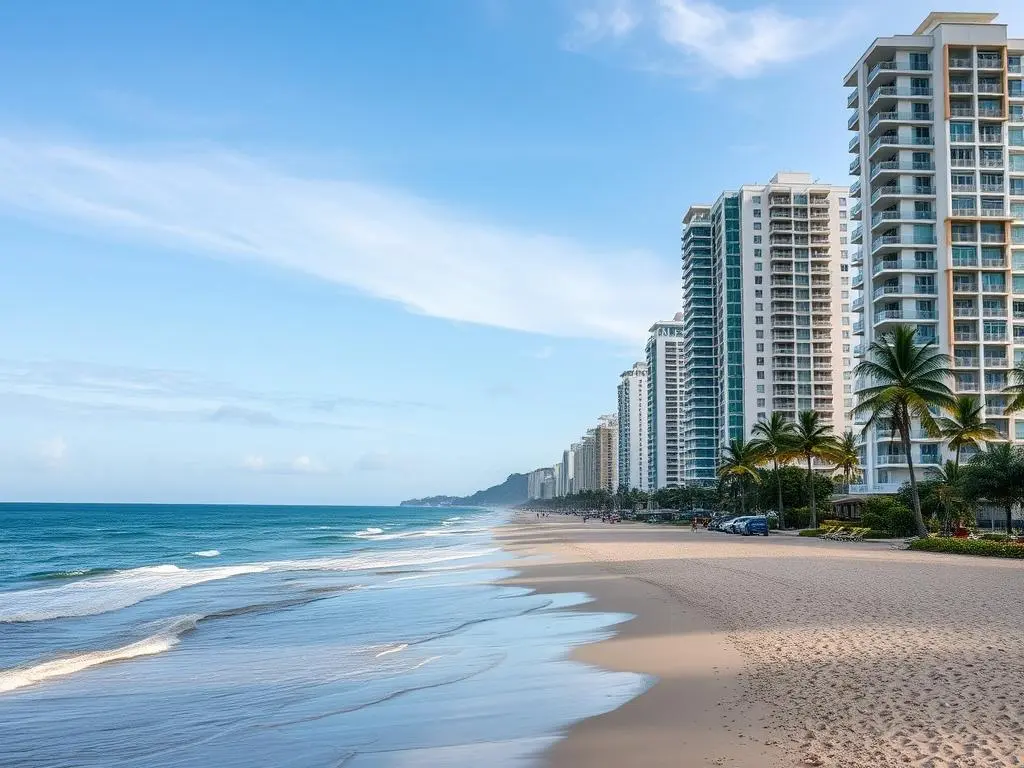
Rio combines lifestyle appeal with investment potential. The city’s iconic beaches like Copacabana and Ipanema feature luxury apartments with strong rental potential. Emerging areas like Barra da Tijuca offer newer developments with modern amenities at relatively lower entry points.
Emerging Markets
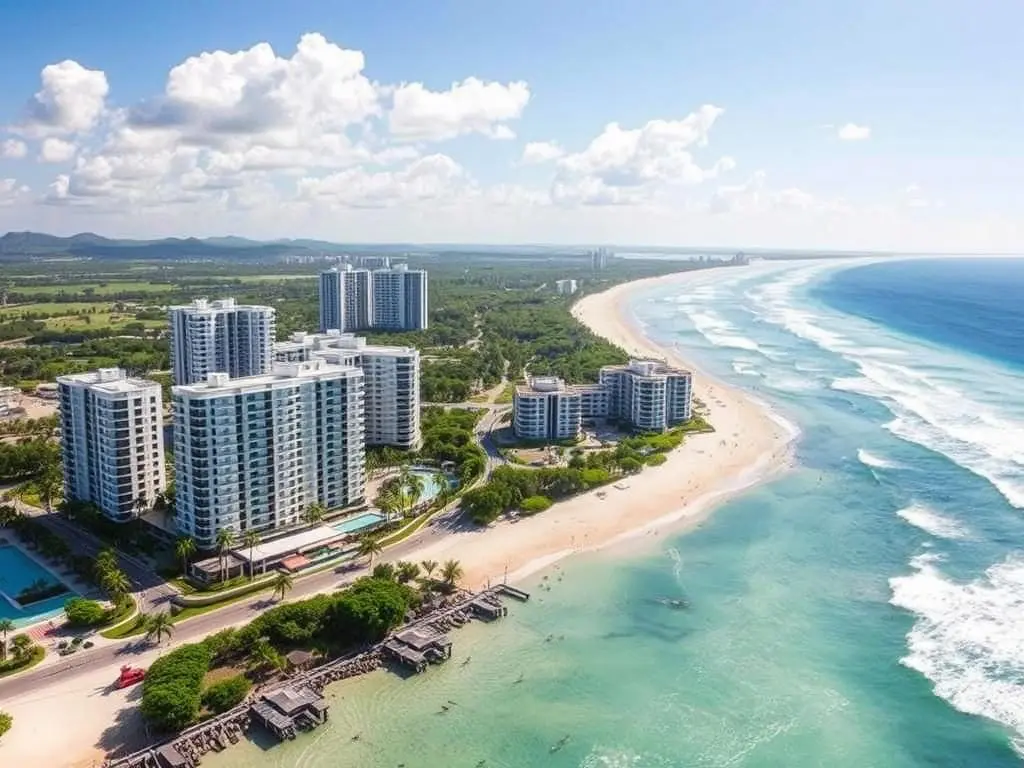
Brazil’s Northeast region, including cities like Fortaleza, Natal, and Recife, offers beachfront properties at lower prices than Rio with strong vacation rental potential. Southern cities like Florianópolis and Balneário Camboriú are gaining popularity for their high quality of life and appreciation potential.
Get Your Free Brazilian Market Analysis
Discover which Brazilian cities offer the best investment potential based on your goals and budget. Our experts will provide personalized insights into market trends and opportunities.
Legal Requirements for Foreign Investors
Brazil welcomes foreign investment in real estate with relatively few restrictions compared to many countries. However, understanding the legal framework is essential for a successful transaction.
Can Foreigners Buy Property in Brazil?
Yes, foreigners can legally purchase most types of real estate in Brazil, including residential properties, commercial buildings, and certain land. The process is straightforward for urban properties, though rural land and properties in certain border regions have additional restrictions.

Essential Documentation
Required Documents
- CPF (Cadastro de Pessoas Físicas) – This Brazilian tax identification number is mandatory for all property transactions and can be obtained through Brazilian consulates abroad.
- Passport – Valid identification is required throughout the process.
- Birth certificate – May be required for certain transactions.
- Marriage certificate – If applicable, especially for joint purchases.
Property Documentation
- Matrícula – Property registration document showing ownership history.
- Certidão de Ônus Reais – Certificate confirming no liens or encumbrances.
- IPTU payment receipts – Proof that property taxes are current.
- Condominium payment receipts – For apartments or condominiums.
Restrictions to Be Aware Of
While Brazil is generally open to foreign investment, certain restrictions apply:
- Rural properties have limitations on foreign ownership, particularly for large tracts.
- Properties within 150km of Brazil’s borders require special authorization.
- Coastal properties may have additional regulations regarding development.
- Maritime properties (within marine boundaries) have special considerations.
Step-by-Step Process to Invest in Brazil Real Estate
This can be done through Brazilian consulates abroad or by appointing a local representative with power of attorney.
Identify regions and property types that align with your investment goals, whether rental income, appreciation, or personal use.
Hire a reputable local attorney specializing in real estate and an experienced realtor familiar with foreign buyers.
View properties virtually or in person and conduct thorough due diligence on potential purchases.
Verify property documentation, ownership history, and ensure there are no outstanding debts or legal issues.
Work with your realtor to negotiate terms and prepare a formal offer.
Your attorney should review all contracts before signing.
Arrange for international transfer of funds through official banking channels.
This must be done at a Brazilian notary office (Cartório).
Complete the registration process at the local Real Estate Registry Office.

Financing Your Brazilian Property
Most foreign investors purchase Brazilian properties with cash, as mortgage options for non-residents are limited. However, several financing approaches are available:
| Financing Option | Availability | Requirements | Considerations |
| Developer Financing | Widely available | Down payment (30-50%) | Higher interest rates than bank loans but easier to obtain |
| Brazilian Bank Loans | Limited for foreigners | Brazilian residency, income history | Challenging to qualify without established Brazilian credit |
| International Financing | Depends on home country | Good credit in home country | May require additional collateral |
| Seller Financing | Case-by-case basis | Negotiated with individual seller | Terms vary widely; requires careful legal review |
Need Help Navigating Brazilian Property Laws?
Our team of legal experts specializes in helping foreign investors successfully purchase Brazilian real estate while avoiding common pitfalls.
Understanding Costs and Taxes
Investing in Brazilian real estate involves various costs and ongoing tax obligations that should be factored into your investment calculations.
Transaction Costs
Purchase Costs
- ITBI (Property Transfer Tax) – Typically 2-4% of property value, varies by municipality.
- Notary and Registration Fees – Approximately 1-2.5% of property value.
- Real Estate Agent Commission – Usually 5-6% of property value, typically paid by seller.
- Legal Fees – 1-2% for attorney services (highly recommended for foreign buyers).
Ongoing Costs
- IPTU (Urban Property Tax) – Annual tax ranging from 0.5-1.5% of assessed value.
- Condominium Fees – Monthly fees for apartments or gated communities.
- Property Management – 8-10% of rental income if professionally managed.
- Income Tax on Rentals – 15-27.5% on rental income, depending on amount.
Capital Gains Considerations
When selling Brazilian property, foreign investors face a 15% capital gains tax on the profit. However, several exemptions may apply:
- Reinvestment in another Brazilian property within 180 days
- Property owned for more than 22 years (with graduated reductions starting after 5 years)
- Primary residence exemption if it was your only property in Brazil
Tax treaties between Brazil and your home country may also affect your tax obligations, making professional tax advice essential.

Types of Properties for Investment
Brazil offers diverse property types to match different investment strategies, from urban apartments to coastal vacation homes and agricultural land.
Residential Properties
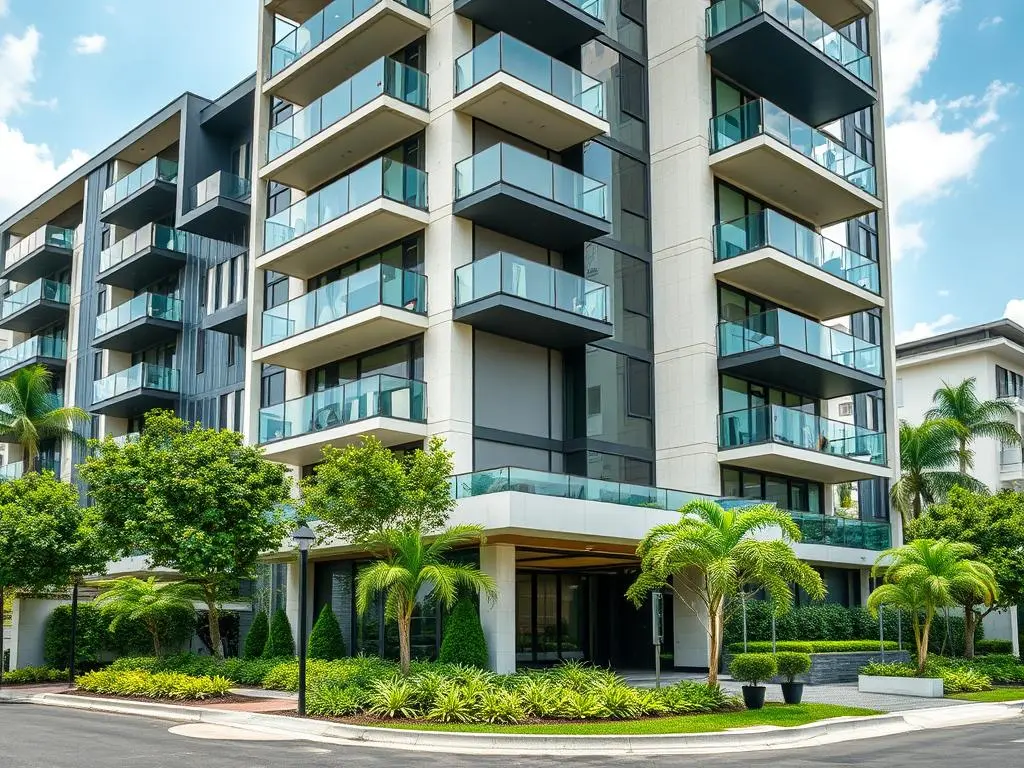
Urban Apartments
Apartments in major cities offer steady rental demand from local professionals and students. New developments often include amenities like pools, gyms, and security, commanding premium rents.
Vacation Homes
Properties in coastal areas and tourist destinations can generate significant rental income during peak seasons while offering personal enjoyment opportunities.
Commercial Properties

Office Spaces
Office properties in business districts of major cities can provide stable long-term leases with corporate tenants, though they require more significant initial investment.
Retail Spaces
Storefronts in high-traffic areas offer exposure to Brazil’s growing consumer market, with potential for long-term appreciation in developing neighborhoods.
Land Investments

Development Land
Urban and suburban plots in growing areas offer development potential, though they require deeper market knowledge and longer investment horizons.
Agricultural Land
Brazil’s agricultural sector offers opportunities for productive farmland investment, though foreign ownership restrictions apply to large rural properties.
Investment Strategy Comparison
Buy-to-Let Strategy
- Regular income stream from rentals
- Property management services widely available
- Strong demand in major cities and tourist areas
- Potential tax benefits for rental properties
- Diversification of income sources
Buy-to-Sell Strategy
- Potential for significant capital appreciation
- No ongoing management responsibilities
- Faster return on investment
- Opportunity to add value through renovations
- Greater flexibility with investment capital
Risks and Mitigation Strategies
While Brazilian real estate offers attractive opportunities, understanding and preparing for potential risks is essential for successful investment.
Common Investment Risks
- Currency fluctuations – The Brazilian Real can be volatile against major currencies, affecting your returns when converted back to your home currency.
- Title issues – Incomplete documentation or disputed ownership can create legal complications.
- Regulatory changes – Laws affecting foreign ownership or taxation may change over time.
- Market volatility – Brazil’s real estate market can experience significant cycles.
- Property management challenges – Managing property remotely presents logistical difficulties.
Effective Mitigation Approaches
- Legal due diligence – Work with specialized attorneys to verify all documentation.
- Local partnerships – Establish relationships with trusted local professionals.
- Diversification – Consider multiple smaller investments rather than a single large property.
- Professional management – Engage reputable property management services.
- Currency hedging – Explore financial instruments to protect against currency fluctuations.
Common Pitfalls to Avoid
- Skipping due diligence – Never purchase without thorough verification of property documents.
- Verbal agreements – Ensure all terms are properly documented in contracts.
- Overlooking location factors – Research neighborhood safety, development plans, and infrastructure.
- Ignoring tax implications – Understand both Brazilian and home country tax obligations.
- Unrealistic expectations – Be realistic about potential returns and timeframes.

Minimize Your Investment Risks
Our risk assessment service identifies potential issues before you invest and provides actionable strategies to protect your investment.
Case Study: Successful Foreign Investment in Brazil
“My investment in a beachfront property in Northeastern Brazil has delivered both financial returns and personal enjoyment. Working with local experts was key to navigating the process successfully.”
Investment Profile
- Property: 2-bedroom beachfront apartment in Fortaleza
- Purchase Price: $120,000 USD (2018)
- Investment Strategy: Vacation rental with personal use
- Management: Local property management company
Results
- Current Valuation: $175,000 USD (46% appreciation)
- Annual Rental Yield: 8-10% before expenses
- Occupancy Rate: 70% average throughout the year
- Personal Use: 4 weeks annually
Key Success Factors
Michael attributes his successful investment to several critical decisions:
- Thorough research of emerging markets in Brazil’s Northeast
- Engaging a specialized attorney familiar with foreign purchases
- Partnering with a reputable property management company with experience marketing to international tourists
- Investing in property improvements to command premium rental rates
- Building relationships with local service providers
“The key was treating this as a business from day one, not just a vacation home. I created a detailed business plan, established clear metrics for success, and built a reliable local team.”

Brazilian Visa Benefits for Real Estate Investors
Brazil offers visa opportunities for property investors, providing an additional incentive beyond financial returns.
Investment Visa Program
Foreign nationals who invest in Brazilian real estate may qualify for residency visas under certain conditions. This program has made Brazil increasingly attractive to investors seeking both financial returns and lifestyle benefits.
| Visa Type | Investment Requirement | Benefits | Renewal/Permanence |
| Investor Visa (VITEM V) | Minimum R$500,000 in real estate | 2-year temporary residency, work rights, path to permanent residency | Renewable with continued investment |
| Retirement Visa | Property ownership + monthly income of R$6,000+ | Permanent residency, healthcare access | Permanent with conditions maintained |
| Entrepreneur Visa | R$150,000 in Brazilian business (can include real estate) | 2-year residency, business operation rights | Renewable based on business activity |

Important Visa Considerations
- Visa requirements and investment thresholds may change; always verify current regulations.
- The application process typically takes 3-6 months.
- Legal assistance is strongly recommended for visa applications.
- Investment must be maintained to preserve visa status.
- Tax residency implications should be carefully considered.
The Importance of Professional Guidance
Successfully investing in Brazilian real estate requires specialized knowledge and local expertise. Working with qualified professionals significantly reduces risks and improves outcomes.
Legal Representation
A Brazilian attorney specializing in real estate and foreign investment is perhaps your most crucial partner. They will:
- Verify property documentation and ownership history
- Conduct thorough due diligence
- Draft and review purchase agreements
- Represent you during closing procedures
- Advise on tax and visa implications
Real Estate Agents
Working with agents experienced with international clients provides valuable market insights:
- Access to properties not publicly listed
- Market value assessment and negotiation
- Neighborhood knowledge and recommendations
- Communication bridge with Portuguese-speaking sellers
- Connections to other service providers
Property Managers
For investment properties, professional management is crucial for remote owners:
- Tenant screening and management
- Rent collection and financial reporting
- Property maintenance and emergency response
- Compliance with local regulations
- Vacation rental marketing (if applicable)

Frequently Asked Questions About Investing in Brazilian Real Estate
Can foreigners buy land in Brazil?
Yes, foreigners can buy urban land and properties in Brazil with few restrictions. However, rural land purchases face significant limitations, particularly for large tracts. Foreign individuals and companies are restricted from purchasing large rural properties without special authorization from the Brazilian government. Properties in border areas (within 150km of international boundaries) also have additional restrictions.
What is the process for transferring money to Brazil for property purchases?
All funds for real estate purchases must be transferred through the Brazilian banking system and registered with the Central Bank of Brazil. This requires:
- Opening a Brazilian bank account (some banks allow non-resident accounts)
- Transferring funds via wire transfer from your home country
- Registering the foreign investment with the Central Bank through a process called RDE-IED
- Obtaining documentation of the official exchange rate at the time of transfer
This official registration is crucial for future repatriation of funds when selling the property.
How does the Brazilian property purchase process differ from the United States or Europe?
Key differences include:
- The requirement for a Brazilian tax ID (CPF) for all buyers
- Property transfers must be executed at specialized notary offices (Cartórios)
- Limited mortgage availability for foreign buyers
- All documents must be in Portuguese (requiring official translation)
- The process typically takes longer (2-3 months is common)
- Buyer and seller must typically appear in person or via power of attorney
What are the typical returns on Brazilian real estate investments?
Returns vary significantly by location and property type, but general ranges include:
- Rental Yields: 4-8% annually for residential properties in major cities
- Vacation Rentals: 8-12% in popular tourist destinations
- Commercial Properties: 7-10% for well-located retail and office space
- Capital Appreciation: Historically 5-15% annually in growing markets
Currency fluctuations can significantly impact returns when converted to foreign currencies.
How can I manage a property in Brazil while living abroad?
Most foreign investors work with professional property management companies that handle:
- Tenant acquisition and screening
- Rent collection and deposit
- Property maintenance and repairs
- Payment of taxes and utility bills
- Regular reporting and financial statements
Management fees typically range from 8-12% of rental income, with vacation rental management commanding higher percentages (15-25%).
Get Expert Guidance for Your Brazilian Investment
Investing in Brazilian real estate offers exciting opportunities, but navigating the market as a foreigner requires specialized knowledge. Our team of experts provides personalized guidance to help you:
- Identify the best locations and property types for your investment goals
- Navigate legal requirements and documentation
- Connect with trusted local professionals
- Understand tax implications and optimization strategies
- Develop effective property management plans
Conclusion: Your Path to Successful Brazilian Real Estate Investment
Brazil’s real estate market offers compelling opportunities for foreign investors seeking diversification, potential appreciation, and rental income. With its diverse regions, growing economy, and relatively straightforward foreign ownership laws, Brazil continues to attract international investment capital.
However, success requires careful planning, thorough due diligence, and professional guidance. By understanding the legal requirements, market dynamics, and potential risks, you can position yourself for a rewarding investment experience in this vibrant South American market.
Whether you’re interested in urban apartments in São Paulo, beachfront properties in Rio de Janeiro, or emerging opportunities in Brazil’s Northeast, the key to success lies in thorough research and working with experienced professionals who understand both the Brazilian market and the unique needs of foreign investors.
Ready to Explore Brazilian Investment Opportunities?
Take the first step toward diversifying your portfolio with Brazilian real estate. Our team is ready to provide personalized guidance tailored to your investment goals.