
Brazil’s dynamic real estate market offers foreign investors a compelling mix of affordability, growth potential, and diversification benefits. With its vast territory, growing urban centers, and developing infrastructure, real estate investment in Brazil presents opportunities across residential, commercial, and agricultural sectors. This comprehensive guide explores current market trends, legal considerations, investment strategies, and risk management approaches to help you navigate this promising yet complex market.
Brazil Real Estate Market Overview: Current Trends and Opportunities
The Brazilian real estate market has demonstrated remarkable resilience in recent years, despite global economic challenges. With a population exceeding 210 million and ongoing urbanization, demand for quality housing and commercial spaces continues to grow in key regions.
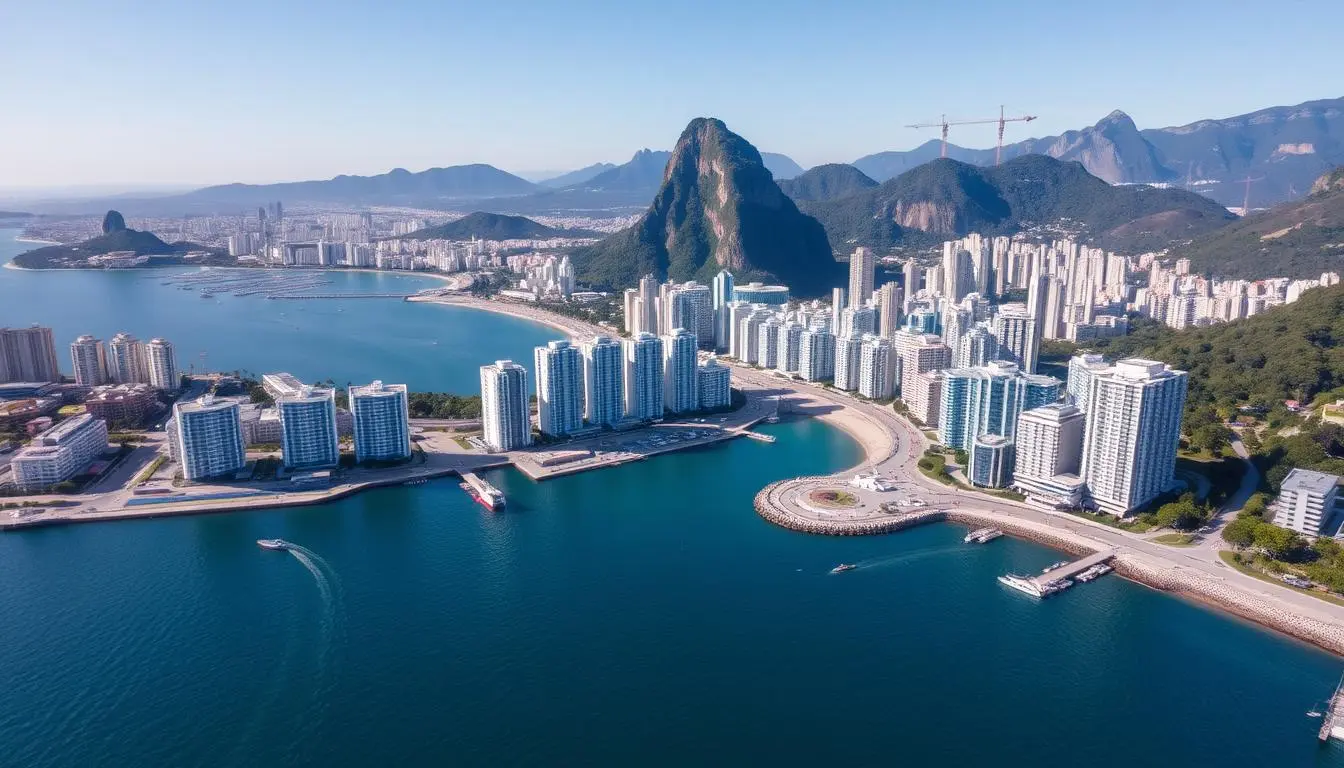
Rio de Janeiro’s coastline features some of Brazil’s most sought-after real estate investment opportunities
Key Market Indicators for Real Estate Investment in Brazil
The Brazilian property market has experienced significant changes since 2020, with several factors creating favorable conditions for foreign investors:
- Favorable exchange rates making properties 40-55% less expensive in dollar terms compared to 2014
- Growing domestic demand, particularly in the mid to high-end residential sector
- Increasing tourism driving demand for short-term rental properties
- Infrastructure improvements enhancing property values in developing regions
- Relatively low property maintenance costs compared to Europe and North America
According to the Brazilian Association of Property Developers (ABRAINC), the average return from property purchased recently has reached 16-19% annually when combining capital appreciation and rental income. This performance significantly outpaces many traditional investment vehicles.
The stock exchange in Brazil has seen a marked increase in real estate investment trusts (REITs), with the property sector proving particularly attractive to both domestic and international investors seeking diversification.
Best Cities for Real Estate Investment in Brazil 2025

São Paulo
As Brazil’s economic powerhouse, São Paulo offers diverse investment opportunities from luxury condominiums to commercial properties. The city’s robust business environment drives steady demand for office spaces and high-end residential units.
- Strong rental yields in business districts
- Growing tech sector driving office demand
- Established infrastructure and services

Rio de Janeiro
Rio combines stunning natural beauty with strong tourism appeal, making it ideal for vacation rental investments. The city’s beachfront properties in Copacabana, Ipanema, and Leblon consistently attract both domestic and international buyers.
- High tourism-driven rental potential
- Prestigious beachfront locations
- Strong appreciation in prime areas
Fortaleza (Northeast)
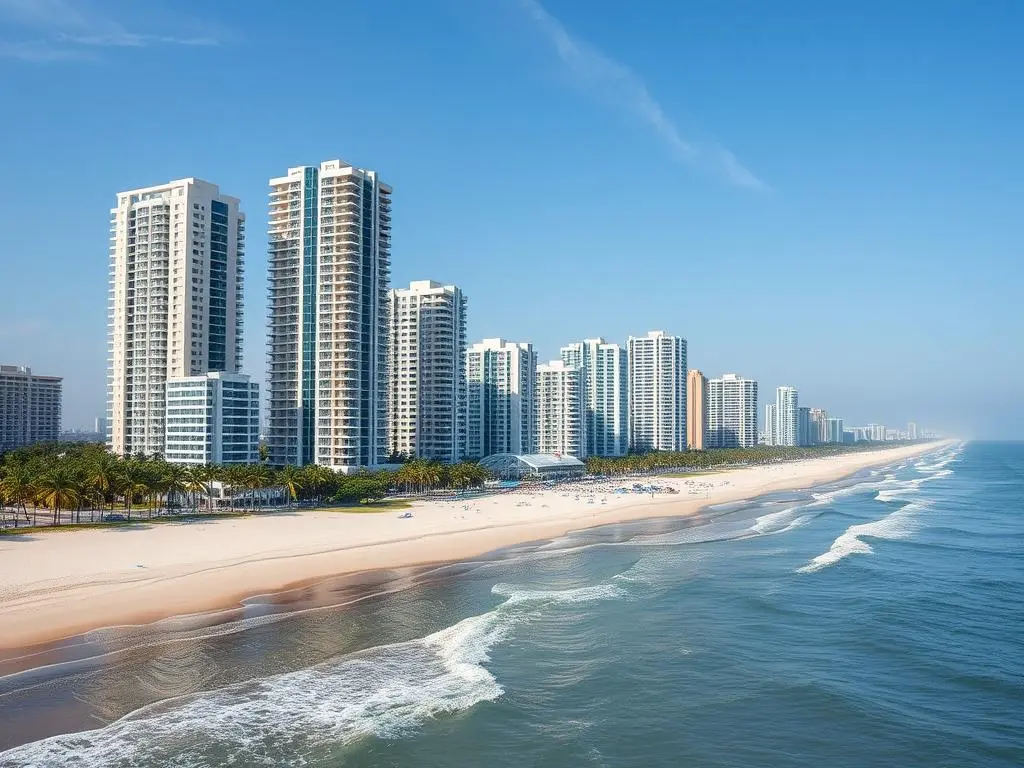
The Northeast region, particularly Fortaleza, has emerged as a hotspot for beach property investments. With its beautiful coastline and growing tourism infrastructure, the area offers attractive entry prices with significant growth potential.
- Affordable beachfront properties
- Growing domestic tourism market
- Ongoing infrastructure development
Discover Your Ideal Brazilian Investment Location
Beyond these major centers, emerging markets like Florianópolis, Belo Horizonte, and João Pessoa offer unique investment advantages. Connect with our specialists to identify the best location for your investment goals.
Legal Requirements for Foreign Real Estate Investment in Brazil
Contrary to common misconceptions, Brazil welcomes foreign real estate investors with relatively few restrictions. However, understanding the legal framework is essential for a successful investment experience.

Essential legal documents for foreign real estate investment in Brazil
Property Ownership Laws for Foreigners
Foreign investors can legally purchase most types of real estate in Brazil, including:
- Urban residential properties
- Commercial buildings and office spaces
- Beachfront properties and vacation homes
- Condominiums and apartments
The main restriction applies to rural land, particularly near borders or in large quantities, which may require special authorization from the Brazilian government.
Essential Document: CPF Number
All foreign investors must obtain a CPF (Cadastro de Pessoas Físicas) tax identification number before purchasing property in Brazil. This can be arranged through Brazilian consulates abroad or with the assistance of a local attorney.
The Property Purchase Process in Brazil
- Obtain your CPF number (Brazilian tax ID)
- Conduct thorough due diligence on the property (title search, verification of seller, property registration)
- Negotiate and draft a purchase agreement (Promessa de Compra e Venda)
- Make the required down payment (typically 10-20%)
- Prepare the final deed (Escritura Pública de Compra e Venda)
- Pay property transfer tax (ITBI, approximately 2-3%)
- Register the deed with the local property registry (Cartório de Registro de Imóveis)
Working with a Brazilian Attorney
While not legally required, engaging a qualified Brazilian attorney specializing in real estate is highly recommended for foreign investors. They can help navigate the complex legal system, conduct proper due diligence, and ensure all documentation is correctly prepared and filed.
Tax Implications for Foreign Real Estate Investors
| Tax Type | Rate | Description |
| Property Transfer Tax (ITBI) | 2-3% | One-time tax paid when purchasing property |
| Annual Property Tax (IPTU) | 0.5-1.5% | Annual tax based on property value, varies by municipality |
| Income Tax on Rental Income | 15-27.5% | Progressive rate based on income amount |
| Capital Gains Tax | 15-22.5% | Applied when selling property at a profit |
Navigate Brazilian Real Estate Laws with Confidence
Legal complexities shouldn’t deter you from investing in Brazil’s promising market. Our network of specialized attorneys can guide you through every step of the process.
Comparing Real Estate Investment Opportunities in Brazil
Brazil offers diverse real estate investment options across residential, commercial, and agricultural sectors, each with unique advantages and considerations.
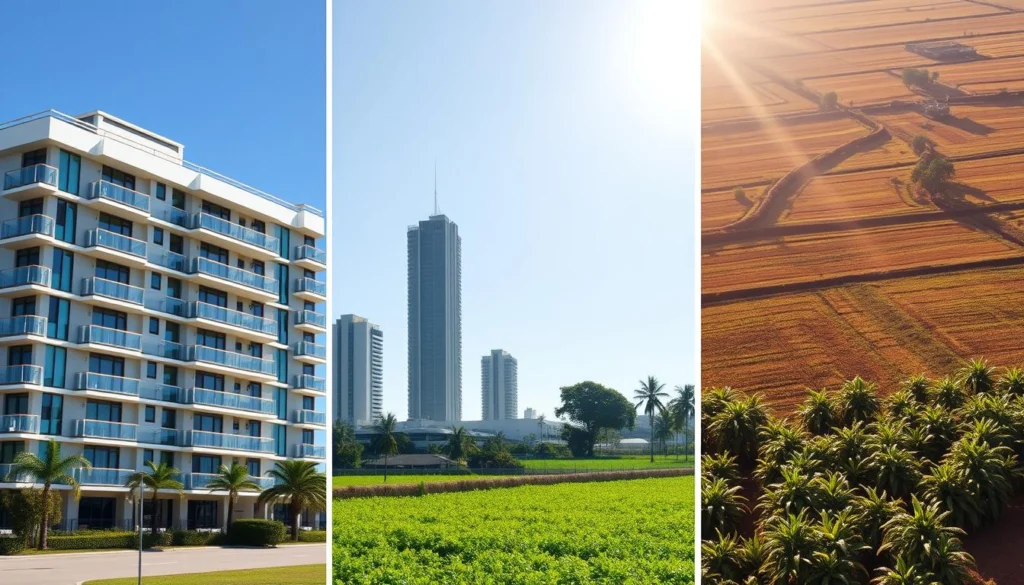
Brazil offers diverse real estate investment opportunities across residential, commercial, and agricultural sectors
Residential Investment Properties
Long-Term Rentals
Brazil’s growing middle class and urbanization trends create steady demand for quality rental housing in major cities. Long-term residential rentals typically offer:
- Stable monthly income with typical yields of 4-7% annually
- Lower management intensity than short-term rentals
- Strong tenant protection laws requiring careful management
Short-Term and Vacation Rentals
Brazil’s tourism appeal makes short-term rentals particularly attractive in coastal cities and tourist destinations:
- Higher potential yields (8-12% annually) in prime locations
- Growing popularity of platforms like Airbnb
- Seasonal demand fluctuations requiring strategic management
“The growth of Brazil’s domestic tourism market has created exceptional opportunities for short-term rental investments, particularly in the Northeast region where properties can achieve occupancy rates exceeding 70% during high season.”
Commercial Real Estate Opportunities

Commercial properties in São Paulo’s financial district offer strong investment potential
Office Spaces
Brazil’s business centers, particularly São Paulo and Rio de Janeiro, offer opportunities in the office sector:
- Class A buildings in prime locations yielding 6-8% annually
- Growing demand for flexible workspaces
- Longer lease terms (3-5 years) providing income stability
Retail Properties
Retail investments range from shopping centers to street-level commercial spaces:
- Shopping centers in growing urban areas showing strong performance
- Neighborhood retail offering accessibility to local markets
- Potential for triple-net leases reducing owner responsibilities
Agricultural Land Investments
Brazil’s position as an agricultural powerhouse creates unique opportunities for land investment:
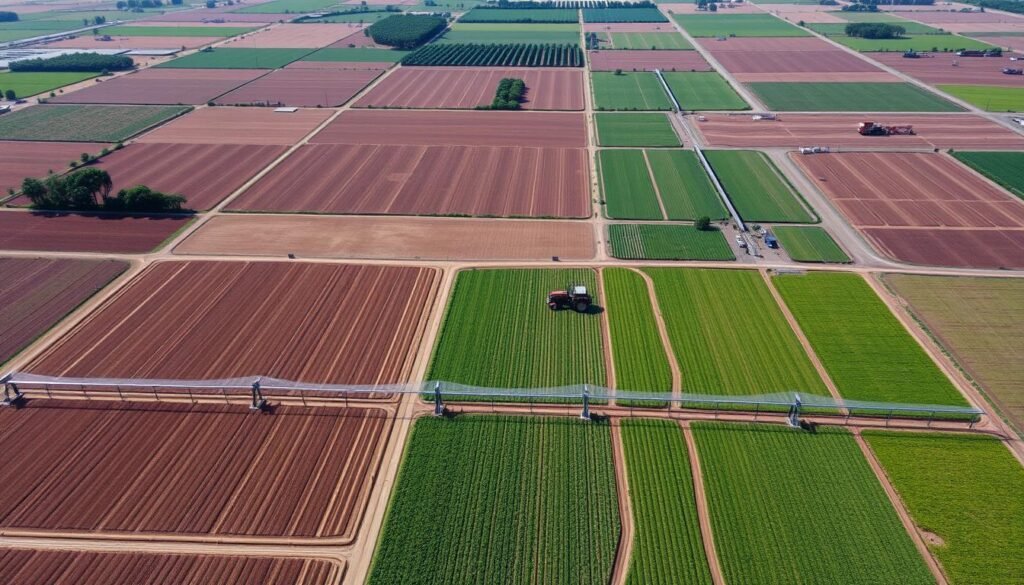
Agricultural land investments in Brazil offer both production income and appreciation potential
- Productive farmland in states like Tocantins, Mato Grosso, and Bahia
- Potential for both agricultural income and land appreciation
- Important legal restrictions requiring specialized guidance
- Opportunities in sustainable agriculture and carbon credit markets
Important Note on Rural Land
Foreign investors face significant restrictions when purchasing large tracts of rural land in Brazil. These investments typically require approval from the National Institute of Colonization and Agrarian Reform (INCRA) and may be subject to additional regulations. Always consult with a specialized attorney before pursuing agricultural investments.
Find Your Ideal Brazilian Investment Property
Whether you’re interested in residential, commercial, or agricultural opportunities, our investment specialists can help you identify properties aligned with your financial goals.
Understanding and Mitigating Risks in Brazilian Real Estate Investment
While Brazil offers attractive investment opportunities, understanding potential risks and implementing effective mitigation strategies is essential for success.

Thorough risk analysis is essential for successful real estate investment in Brazil
Key Advantages
- Strong appreciation potential in developing areas
- Favorable exchange rates for foreign investors
- Relatively low property maintenance costs
- Growing domestic demand in key sectors
- Portfolio diversification benefits
Primary Challenges
- Currency fluctuation risks
- Complex bureaucratic procedures
- Regional economic disparities
- Property title verification challenges
- Distance management for foreign investors
Common Risks and Mitigation Strategies
| Risk Factor | Potential Impact | Mitigation Strategy |
| Currency Fluctuations | Affects investment returns when converting back to home currency | Diversify investment timing, consider partial financing in local currency, explore currency hedging options |
| Title Issues | Disputed ownership claims, liens, or encumbrances | Conduct thorough due diligence, obtain title insurance, work with specialized attorneys |
| Regulatory Changes | New laws affecting property rights, taxes, or rental regulations | Stay informed through local advisors, maintain legal compliance, build flexibility into investment strategy |
| Property Management | Challenges in remote management, maintenance issues | Engage reputable local property management companies, establish clear reporting systems |
| Market Liquidity | Difficulty selling property quickly if needed | Focus on properties in high-demand areas, maintain realistic time horizons, consider pre-exit strategies |
The Importance of Local Expertise
One of the most effective risk mitigation strategies for foreign investors is partnering with experienced local professionals who understand Brazil’s real estate market nuances. Consider building a team that includes:
- Real estate attorney specializing in foreign investments
- Local real estate agent with international experience
- Accountant familiar with cross-border tax implications
- Property manager with proven track record
“The most successful foreign investors in Brazilian real estate are those who combine global investment principles with local market knowledge. Understanding regional differences and working with experienced local partners significantly reduces risk exposure.”
Minimize Your Investment Risks
Our network of specialized professionals can help you navigate potential challenges and implement effective risk management strategies for your Brazilian real estate investments.
Success Stories: Real Estate Investment in Brazil
Examining successful investment cases provides valuable insights into effective strategies and potential outcomes in the Brazilian market.
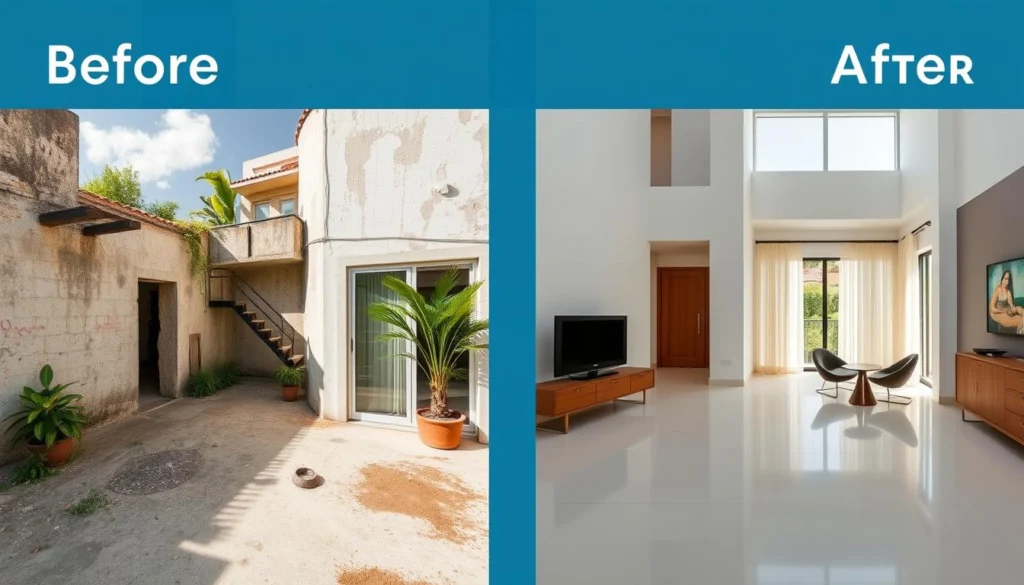
Successful property development project in Rio de Janeiro showing significant value appreciation

Case Study: Vacation Rental Success in Northeast Brazil
A European investor purchased a beachfront property in Fortaleza for $120,000 in 2018. After a $30,000 renovation focused on modern amenities and local design elements, the property now generates:
- Average occupancy rate of 68% year-round
- Annual rental income of approximately $22,000
- Property value appreciation of 35% in five years
- Total ROI exceeding 15% annually
Key success factors included strategic location selection, quality renovations appealing to both domestic and international tourists, and professional property management.
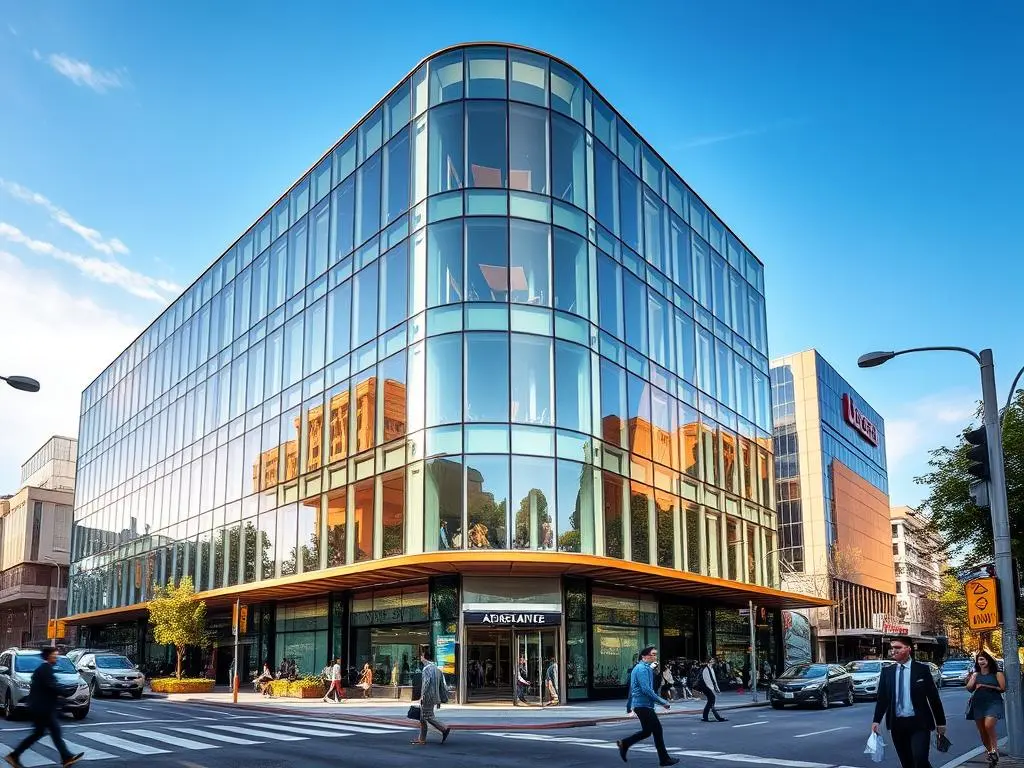
Case Study: Commercial Property Investment in São Paulo
An institutional investor acquired a multi-tenant office building in São Paulo’s financial district in 2019 for $3.8 million. Their value-add strategy included:
- Modernizing common areas and implementing energy efficiency upgrades
- Repositioning the property to attract technology and financial service tenants
- Implementing professional property management systems
Results included increased occupancy from 72% to 94%, 22% higher rental rates, and property value appreciation of approximately 28% over four years, delivering a combined annual return exceeding 12%.
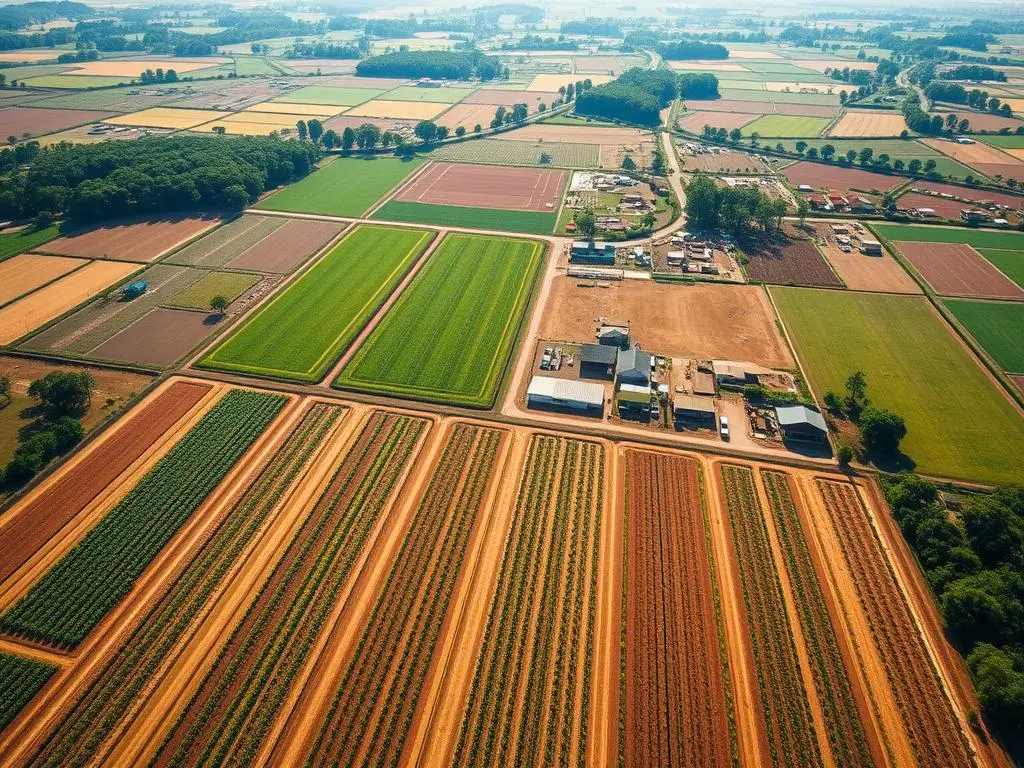
Case Study: Agricultural Land Investment
A group of investors purchased 500 hectares of agricultural land in Tocantins for $1.2 million in 2017 through a Brazilian corporation structure. Their strategy included:
- Implementing sustainable farming practices for soybean production
- Investing in modern irrigation and equipment
- Partnering with local agricultural experts
The investment has generated annual crop revenue while the land value has appreciated by approximately 45% over six years. The project also qualifies for carbon credit programs, creating additional revenue streams.
Key Success Factors Across Case Studies
Investment Strategy
- Thorough market research and location selection
- Value-add approaches through strategic improvements
- Long-term investment horizons (5+ years)
- Diversification across property types or regions
Operational Excellence
- Engagement of qualified local professionals
- Proactive property management
- Adaptation to local market preferences
- Regular market monitoring and strategy adjustments
Create Your Own Success Story
Learn how these investment strategies can be applied to your specific goals and circumstances. Our team can help you develop a customized approach to Brazilian real estate investment.
Step-by-Step Guide to Real Estate Investment in Brazil
A systematic approach to the investment process helps ensure due diligence and compliance with all legal requirements.

The Brazilian real estate investment process requires careful planning and professional guidance
Define Your Investment Goals and Strategy
Clarify your objectives (capital appreciation, rental income, or both), risk tolerance, investment horizon, and budget. This foundation will guide all subsequent decisions.
Research Target Markets and Property Types
Analyze regional markets, property sectors, and specific neighborhoods to identify opportunities aligned with your investment strategy. Consider economic indicators, infrastructure developments, and local demand drivers.
Assemble Your Professional Team
Engage qualified professionals including a real estate attorney, local agent, accountant, and property manager. For foreign investors, working with professionals experienced in international transactions is particularly valuable.
Obtain Your CPF Number
Apply for your Brazilian tax identification number (CPF) through a Brazilian consulate or with assistance from your attorney. This essential document is required for all property transactions.
Establish a Banking Relationship
Open a Brazilian bank account or arrange for international transfers. All property transactions must be conducted through the Brazilian banking system and properly documented.
Property Selection and Due Diligence
Once potential properties are identified, conduct thorough due diligence including title searches, verification of the seller’s ownership rights, property registration status, and any outstanding debts or liens.
Negotiate and Execute the Purchase Agreement
Work with your attorney to negotiate terms and prepare the purchase agreement (Promessa de Compra e Venda). This document outlines the price, payment terms, completion date, and any contingencies.
Complete the Transaction
Sign the final deed (Escritura Pública) before a notary public, pay the property transfer tax (ITBI), and register the deed with the local property registry office (Cartório de Registro de Imóveis).
Implement Your Management Strategy
Establish property management systems, whether self-managed or through a professional company. For rental properties, develop marketing strategies and tenant screening processes.
Ongoing Compliance and Optimization
Maintain tax compliance, monitor market conditions, and regularly review your investment performance against objectives. Make strategic adjustments as needed to optimize returns.
Timeline Expectations
The complete process from initial research to closing typically takes 2-4 months for straightforward transactions. Complex properties or those requiring special approvals may take longer. Planning for this timeline helps set realistic expectations and ensures proper due diligence.
Ready to Start Your Investment Journey?
Our step-by-step guidance can help you navigate the Brazilian real estate investment process with confidence. Connect with our team to begin developing your personalized investment roadmap.
Get Expert Guidance for Your Brazilian Real Estate Investment
Take the next step toward successful real estate investment in Brazil by connecting with our specialized team. We provide personalized guidance tailored to your investment goals, risk tolerance, and budget.

Our investment specialists provide personalized guidance for Brazilian real estate opportunities
How We Can Help
- Market analysis and investment opportunity identification
- Legal guidance and documentation support
- Property sourcing and due diligence
- Transaction coordination and closing assistance
- Property management solutions
- Tax planning and compliance strategies
Frequently Asked Questions About Real Estate Investment in Brazil
Can foreigners legally own property in Brazil?
Yes, foreigners can legally purchase and own most types of real estate in Brazil, including residential properties, commercial buildings, and urban land. The main restrictions apply to rural land, particularly near borders or in large quantities, which may require special authorization. Foreigners have essentially the same property rights as Brazilian citizens for most urban real estate.
What documents do I need to purchase property in Brazil?
The essential document for foreign investors is a CPF (Cadastro de Pessoas Físicas) tax identification number, which can be obtained through Brazilian consulates abroad or with assistance from a local attorney. You’ll also need your passport, proof of address, and potentially a power of attorney if you’re not physically present for the transaction. All property transactions must be properly documented through the Brazilian banking system.
What are the typical costs associated with buying property in Brazil?
Beyond the purchase price, buyers should budget for additional costs including:
- Property transfer tax (ITBI): 2-3% of the property value
- Notary and registration fees: 1-2% of the property value
- Real estate agent commission: Typically 5-6% (usually paid by the seller)
- Legal fees: Varies based on complexity, typically 1-2% of the property value
- Annual property tax (IPTU): 0.5-1.5% of the assessed property value
How can I manage a property in Brazil while living abroad?
Most foreign investors work with professional property management companies that handle all aspects of property maintenance, tenant relations, and financial reporting. For vacation rentals, specialized management services can market the property, handle guest communications, and maintain the property between stays. Establishing clear reporting systems and regular communication channels with your management team is essential for successful remote ownership.
What are the tax implications for foreign real estate investors in Brazil?
Foreign investors should be aware of several tax obligations:
- Income tax on rental income: 15-27.5% depending on the amount
- Capital gains tax: 15-22.5% when selling property at a profit
- Annual property tax (IPTU): 0.5-1.5% of the assessed property value
- Withholding tax considerations for international transfers
Tax treaties between Brazil and your home country may affect these obligations. Consulting with a tax professional familiar with both Brazilian and your home country’s tax systems is highly recommended.
Conclusion: Your Path to Successful Real Estate Investment in Brazil
Brazil’s real estate market offers compelling opportunities for foreign investors seeking portfolio diversification, capital appreciation, and income generation. With its diverse property options, favorable exchange rates, and growing domestic demand, Brazil presents an attractive alternative to traditional investment markets.
Success in Brazilian real estate investment requires thorough research, professional guidance, and a strategic approach to navigating the legal and operational aspects of property ownership. By understanding the market dynamics, legal requirements, and potential risks, investors can position themselves to capitalize on Brazil’s promising real estate landscape.
Whether you’re interested in residential properties in vibrant urban centers, commercial buildings in business districts, or agricultural land in Brazil’s fertile regions, the key to successful investment lies in proper preparation and local expertise.
Begin Your Brazilian Real Estate Investment Journey Today
Take the first step toward building your Brazilian property portfolio by connecting with our specialized investment team. We provide personalized guidance tailored to your unique goals and circumstances.