

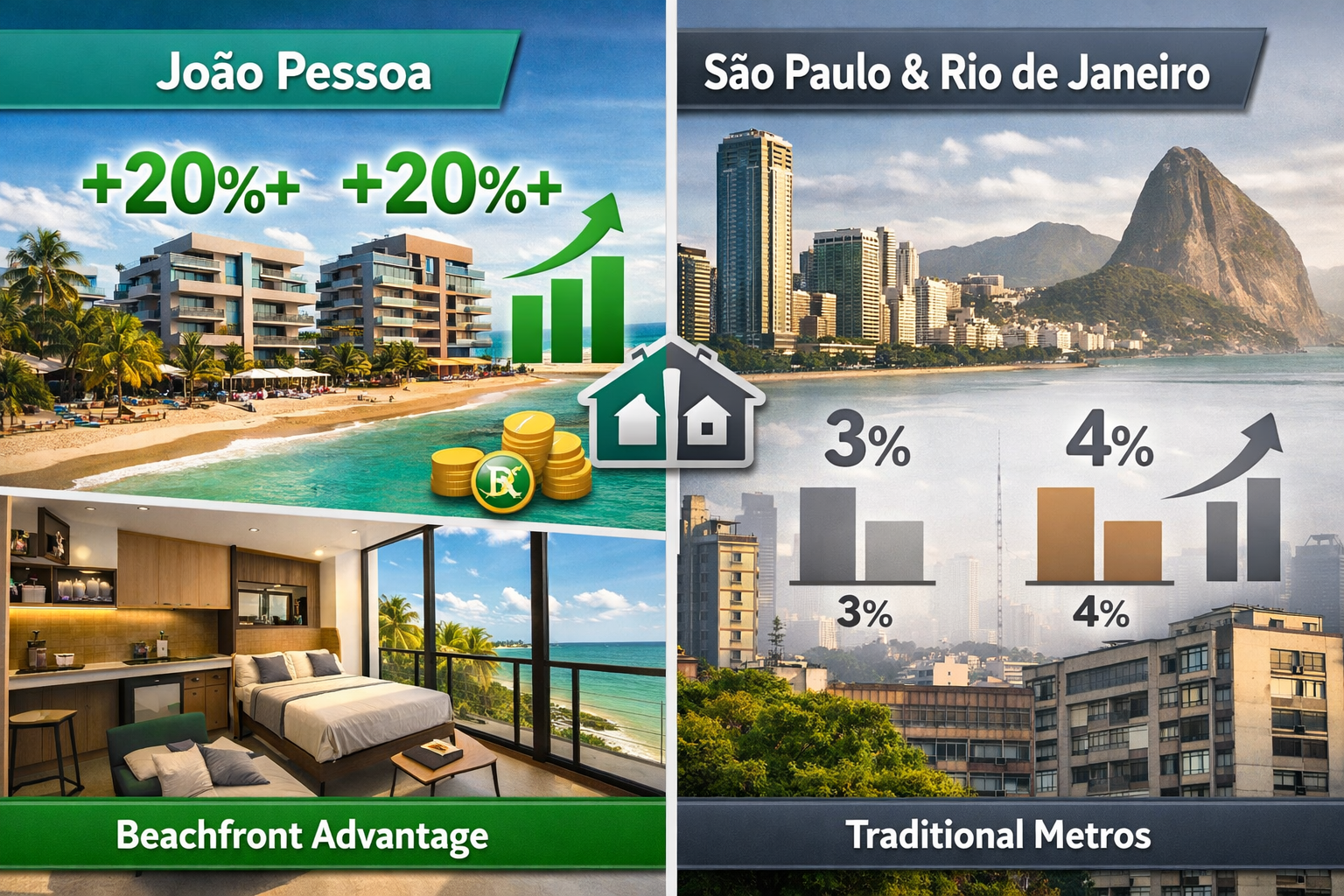
Brazil’s real estate landscape is experiencing a dramatic shift in 2026, and the biggest winners aren’t in São Paulo or Rio de Janeiro. While investors continue to chase opportunities in traditional metros, a coastal city in Northeast Brazil is quietly delivering extraordinary returns that are rewriting the investment playbook. João Pessoa Property Surge 2026: Unlocking 20% Yields in Northeast Brazil’s Overlooked Investment Gem represents one of the most compelling real estate opportunities in Latin America today, with price appreciation exceeding 20% and rental yields that significantly outperform national benchmarks.
This secondary city phenomenon is driven by powerful market forces: remote work migration, international buyer interest, infrastructure improvements, and a supply-demand imbalance that favors early investors. As Brazil’s traditional property markets cool under high interest rates, João Pessoa is accelerating—offering savvy investors a rare combination of capital appreciation and cash flow that’s becoming increasingly difficult to find elsewhere.

Key Takeaways
- 🚀 João Pessoa leads Brazil’s secondary cities with price growth exceeding 20% in 2026, far outpacing São Paulo and Rio de Janeiro
- 💰 Rental yields reach 13.21% annually in audited data, significantly beating Brazil’s CDI benchmark and traditional investment vehicles
- 🌴 Digital nomad appeal drives demand with coastal infrastructure, reliable high-speed internet, and purpose-built home office spaces attracting remote workers
- 📈 Central districts show highest appreciation potential with projected growth of 12-20% throughout 2026, with hotspots potentially exceeding these ranges
- 💵 Foreign capital influx accelerates as weak Brazilian Real creates purchasing power advantages and portfolio diversification opportunities for international investors
Understanding the João Pessoa Property Market Phenomenon
The João Pessoa Property Surge 2026 isn’t happening in isolation—it’s part of a broader transformation across Brazil’s secondary cities. However, João Pessoa stands out even among its peers for the magnitude and sustainability of its growth trajectory.
Why Secondary Cities Are Outperforming Major Metros
Traditional Brazilian property markets in São Paulo and Rio de Janeiro have matured to the point where double-digit returns are increasingly rare. These established metros face several headwinds in 2026:
- High baseline prices limiting appreciation potential
- Oversupply in certain segments dampening price growth
- Economic sensitivity to domestic interest rate fluctuations
- Limited foreign buyer interest due to security concerns and price points
In contrast, João Pessoa and similar secondary cities are experiencing the opposite dynamic. According to market analysis, secondary cities like João Pessoa are leading Brazil’s price growth with increases above 20%, far outpacing traditional metros[3]. This isn’t speculative bubble territory—it’s fundamental demand meeting constrained supply in markets that were previously undervalued.
For investors exploring opportunities across Brazil’s diverse markets, understanding these regional dynamics is crucial. Our guide to the best places to invest in Brazil property provides comprehensive analysis of how different regions compare.
The Three Pillars of João Pessoa’s Market Strength
João Pessoa’s real estate market rests on three fundamental pillars that distinguish it from other emerging Brazilian markets:
1. Legal Scarcity and Urban Planning
Unlike cities with unlimited expansion potential, João Pessoa’s most desirable coastal and central districts face genuine supply constraints. Legal restrictions on beachfront development, environmental protections, and urban planning regulations create legal scarcity that supports long-term price appreciation[1].
2. Infrastructure Investment Cycle
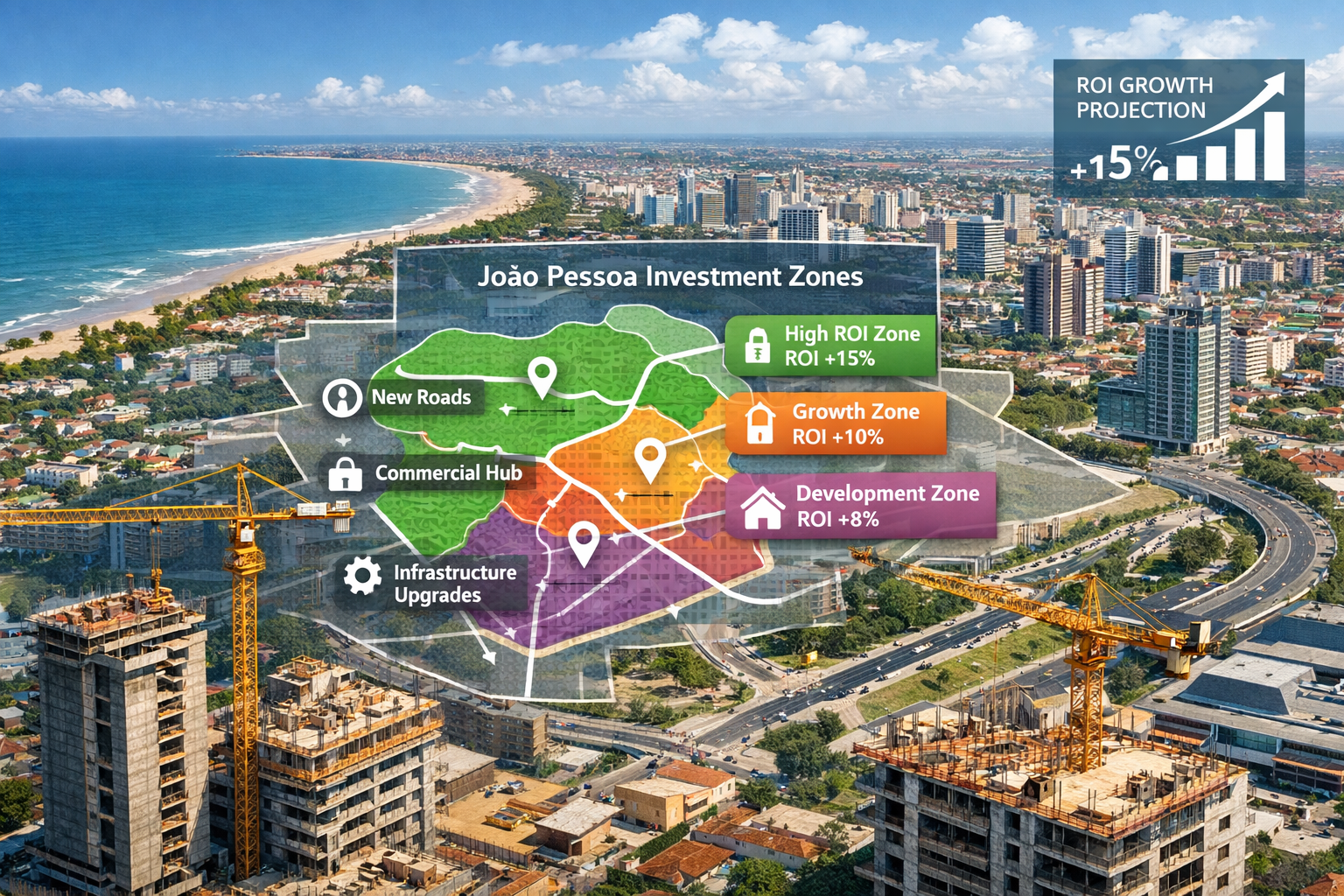
The city is experiencing a synchronized infrastructure improvement cycle that’s enhancing livability and attracting new residents. Road improvements, commercial development, upgraded utilities, and public space enhancements are all converging to elevate neighborhood quality across central districts[1].
3. Liquidity and Market Maturation
João Pessoa’s market is demonstrating evidence of maturation with a shift in standards and new baseline pricing[5]. Neighborhoods that previously faced price ceilings are breaking through those barriers as buyer expectations evolve and the market gains depth. This liquidity improvement makes properties easier to sell and attracts more sophisticated investors.
João Pessoa Property Surge 2026: Decoding the 20% Yield Opportunity
The headline-grabbing numbers behind the João Pessoa Property Surge 2026 deserve closer examination. When investors hear about “20% yields,” it’s essential to understand what’s driving these returns and how they’re distributed across different property types and strategies.
Price Appreciation: The Capital Growth Story
João Pessoa’s central districts are projected to see price growth ranging from 12% to 20% over 2026, with secondary city hotspots potentially exceeding 20% if current momentum continues[3]. This appreciation is concentrated in specific property types and locations:
High-Performance Property Categories:
| Property Type | Location | Projected Appreciation | Investment Rationale |
|---|---|---|---|
| Studio Apartments | Central Districts | 18-22% | Digital nomad demand, Airbnb potential |
| 1-Bedroom Units | Beachfront Zones | 15-20% | Short-term rental appeal, scarcity value |
| 2-Bedroom Apartments | Infrastructure Corridors | 12-18% | Family demand, improving amenities |
| Commercial Ground Floor | Mixed-Use Developments | 14-19% | Retail recovery, foot traffic growth |
The most explosive returns are forecasted for secondary and coastal cities where supply struggles to meet international and short-term rental demand, with João Pessoa specifically benefiting from this dynamic[4].
Rental Yield Performance: The Cash Flow Component
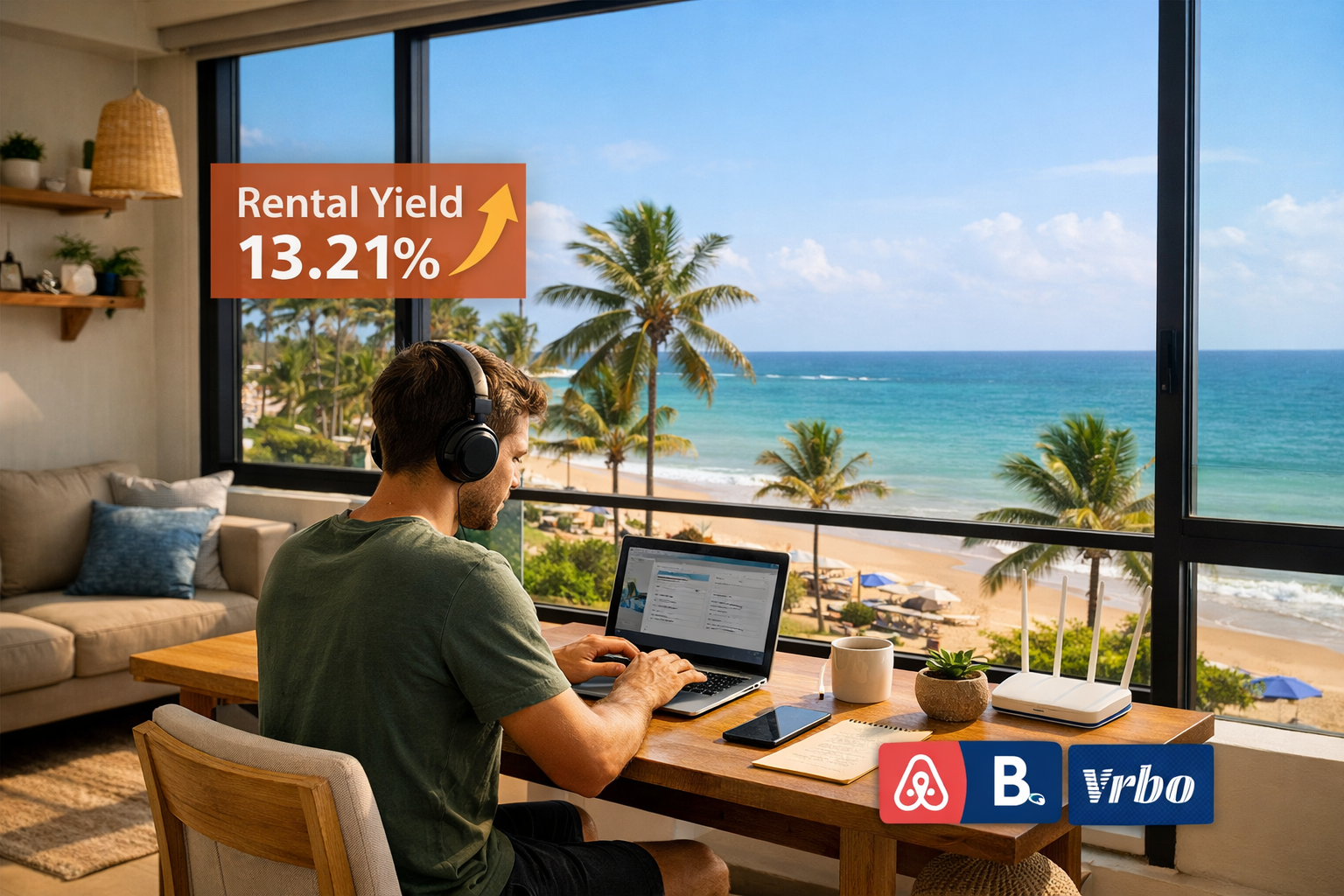
Beyond capital appreciation, João Pessoa delivers exceptional rental income. Audited data shows that properties in João Pessoa deliver a yield of 13.21% per annum, significantly outperforming Brazil’s CDI benchmark[2]. This rental performance comes from multiple demand sources:
Short-Term Rental Market 🏖️
- Tourist demand for beachfront accommodations
- Digital nomads seeking monthly rentals
- Business travelers to regional commercial centers
- Premium pricing during peak seasons
Long-Term Residential Demand 🏠
- Remote workers relocating from expensive metros
- Local professionals seeking quality housing
- Small families attracted by lifestyle and affordability
- University students and young professionals
The combination of 12-20% price appreciation plus 13.21% rental yield creates the potential for total returns exceeding 30% in optimal scenarios—a risk-adjusted performance that’s exceptional by any standard.
The Foreign Exchange Advantage
International investors gain an additional edge through currency dynamics. A historically weak Real makes Brazilian property prices effectively discounted by foreign standards, providing an advantage that international buyers are exploiting aggressively in secondary markets including João Pessoa[4].
For dollar, euro, or pound-based investors, this creates a double benefit:
- Lower entry prices in hard currency terms
- Potential currency appreciation gains if the Real strengthens
- Rental income that can be repatriated or reinvested locally
Remote Work Revolution: How Digital Nomads Are Reshaping João Pessoa Real Estate
The transformation of work patterns following the global pandemic has had profound effects on real estate markets worldwide, but few cities have benefited as dramatically as João Pessoa. The João Pessoa Property Surge 2026 is fundamentally powered by the remote work revolution.
Why Digital Nomads Choose João Pessoa
João Pessoa is identified as a prime beneficiary of the digital nomad trend due to its coastal infrastructure, good high-speed internet availability, and properties offering dedicated home office spaces[4]. This isn’t coincidental—the city offers a unique combination of attributes that remote workers prioritize:
Infrastructure Essentials 💻
- Reliable high-speed fiber internet across central districts
- Co-working spaces and digital nomad communities
- International airport with connections to major hubs
- Modern cafés and remote work-friendly venues
Lifestyle Attractions 🌊
- Year-round warm climate with consistent sunshine
- Beautiful beaches with less crowding than tourist hotspots
- Lower cost of living compared to São Paulo or Rio
- Safe neighborhoods with expat-friendly environments
Property Features 🏢
- Purpose-built home office spaces in new developments
- Furnished rental options ready for immediate occupancy
- Short-term rental flexibility for nomadic lifestyles
- Balconies and outdoor spaces for work-life balance
This remote work appeal is driving sustained demand that transcends typical tourism seasonality. Unlike vacation rentals that peak during holidays, digital nomad properties maintain high occupancy year-round, creating stable cash flow for investors.
Similar trends are transforming other Brazilian markets, as seen in Florianópolis’s evolving real estate landscape, though João Pessoa’s lower price points and untapped potential offer superior entry opportunities.
Small Apartment Developments: The Sweet Spot for Maximum ROI
For investors seeking to capitalize on the João Pessoa Property Surge 2026, small apartment developments represent the optimal investment vehicle. These properties—typically studios and one-bedroom units—offer the best combination of affordability, rental yield, and appreciation potential.
Why Small Apartments Outperform:
✅ Lower Entry Cost – Studios and one-bedrooms require less capital, enabling portfolio diversification and reducing risk concentration
✅ Higher Yield Per Square Meter – Smaller units command premium rents relative to their size, maximizing return on investment
✅ Stronger Demand Pool – Digital nomads, young professionals, and short-term renters prefer compact, efficient spaces over larger apartments
✅ Easier Property Management – Less maintenance, faster turnover, and simpler furnishing requirements reduce operational complexity
✅ Superior Liquidity – Smaller units attract more buyers when it’s time to exit, providing better liquidity than luxury properties
Investment Strategy for Small Apartments:
- Target central districts within walking distance of beaches, restaurants, and amenities
- Prioritize new or recently renovated properties with modern finishes and efficient layouts
- Ensure home office capability with dedicated workspace and reliable internet infrastructure
- Consider furnished options to capture short-term rental premiums and digital nomad demand
- Evaluate building amenities like rooftop terraces, gyms, and co-working spaces that attract remote workers
Understanding the advantages of studio investments provides valuable insights into this property category’s performance characteristics.
Infrastructure Plays: Positioning for Long-Term Appreciation in João Pessoa
While the immediate returns in João Pessoa are compelling, sophisticated investors are also positioning for the next wave of growth by identifying infrastructure plays—properties located in districts benefiting from major development projects and urban improvements.
Key Infrastructure Corridors to Watch
João Pessoa’s real estate market is characterized by urban infrastructure improvements that are driving prices upward across multiple districts[1]. These aren’t abstract future promises—they’re active projects creating tangible value today:
Transportation Improvements 🚗
- Road expansion projects reducing commute times
- New bus rapid transit corridors improving connectivity
- Airport upgrades expanding international access
- Bicycle infrastructure attracting sustainability-conscious residents
Commercial Development 🏪
- New shopping centers anchoring neighborhood growth
- Restaurant and entertainment districts creating lifestyle hubs
- Medical facilities and educational institutions improving services
- Office developments attracting businesses and employment
Public Space Enhancement 🌳
- Beachfront promenade improvements boosting tourism appeal
- Park development creating green spaces and recreation areas
- Historic district restoration attracting cultural tourism
- Waterfront redevelopment projects enhancing property values
Strategic Positioning for Infrastructure Gains
Investors can maximize returns by identifying properties in the path of progress—locations where infrastructure improvements will have the greatest impact on property values:
Pre-Development Positioning 📍
- Properties near announced but not-yet-completed projects offer the best risk-reward
- Early entry captures maximum appreciation as projects progress
- Lower competition from other investors who wait for completion
Adjacency Strategy 🎯
- Properties immediately adjacent to infrastructure improvements benefit most
- One or two blocks from major projects can offer similar upside with lower entry costs
- Consider noise and disruption during construction phases
Mixed-Use Opportunities 🏗️
- Ground-floor commercial with residential above captures multiple revenue streams
- Retail recovery creates appreciation potential beyond residential demand
- Foot traffic from infrastructure improvements benefits commercial tenants
For investors interested in development projects with strong infrastructure positioning, exploring current development opportunities can provide concrete examples of how infrastructure plays translate into investment returns.
Navigating Interest Rates and Market Timing in 2026
The João Pessoa Property Surge 2026 is occurring against a complex macroeconomic backdrop. Understanding how interest rates, currency dynamics, and market cycles affect investment returns is crucial for optimal timing and strategy.
Brazil’s Interest Rate Environment
Brazil’s Selic rate currently sits at 15% as of January 2026, creating challenges for domestic buyers relying on mortgage financing. However, this high-rate environment creates opportunities for cash buyers and international investors:
High Rate Impacts:
- Reduces competition from leveraged domestic buyers
- Creates motivated sellers seeking liquidity
- Improves negotiating power for cash purchasers
- Concentrates demand among higher-quality buyers
Rate Outlook: Brazil’s Selic rate is expected to fall from 15% to around 12.25% by the end of 2026, which should expand the buyer pool and support continued price growth in secondary markets like João Pessoa[3].
This creates a strategic timing opportunity: investors who enter now face less competition and better pricing, while benefiting from expanded demand as rates decline throughout the year.
Foreign Capital and Domestic Demand Dynamics
The influx of foreign capital into secondary and coastal cities like João Pessoa is less sensitive to Brazil’s domestic Selic interest rate and more influenced by exchange rate advantages and portfolio diversification strategies[4]. This creates a unique market dynamic where:
International Buyers:
- Purchase with cash or foreign financing at lower rates
- Benefit from weak Real exchange rates
- Seek geographic diversification outside home markets
- Drive demand independent of domestic economic cycles
Domestic Buyers:
- Face affordability challenges from high interest rates
- Concentrate in lower price points and secondary cities
- Increasingly compete with international buyers
- Benefit from local market knowledge and networks
This dual demand source creates market stability—when domestic demand softens due to rates, international buyers fill the gap, and vice versa.
Risk Factors and Mitigation Strategies
While the João Pessoa Property Surge 2026: Unlocking 20% Yields in Northeast Brazil’s Overlooked Investment Gem presents compelling opportunities, prudent investors must also understand and mitigate potential risks.
Market-Specific Risks
Liquidity Constraints 💧
- Secondary markets have less transaction volume than major metros
- Property sales may take longer than in São Paulo or Rio
- Mitigation: Focus on high-demand property types (studios, one-bedrooms) in central locations with strong rental demand
Regulatory Changes 📋
- Short-term rental regulations could affect Airbnb strategies
- Property tax adjustments may impact returns
- Mitigation: Diversify between short-term and long-term rental strategies; maintain flexibility in property use
Infrastructure Delays 🚧
- Announced projects may experience timeline extensions
- Government funding constraints could slow improvements
- Mitigation: Invest in properties with existing value independent of future projects; treat infrastructure as upside rather than base case
Brazil-Specific Considerations
Currency Volatility 💱
- Real fluctuations affect repatriation value for international investors
- Economic instability can impact exchange rates
- Mitigation: Consider holding rental income in Reals for reinvestment; use currency hedging strategies for large positions
Political Uncertainty 🏛️
- Policy changes can affect property rights and taxation
- Economic management affects growth trajectory
- Mitigation: Work with experienced local legal counsel; structure investments through appropriate entities
Property Management Challenges 🔧
- Distance management requires reliable local partners
- Language barriers for international investors
- Mitigation: Engage professional property management companies; establish clear communication protocols and performance metrics
Investors can learn from successful development approaches that demonstrate effective project execution and risk management in Brazilian markets.
Practical Investment Strategies for João Pessoa Property
Translating the João Pessoa Property Surge 2026 opportunity into actual returns requires concrete investment strategies tailored to different investor profiles and objectives.
Strategy 1: The Cash Flow Maximizer 💰
Objective: Generate immediate rental income with strong yields
Approach:
- Purchase furnished studio or one-bedroom in central district
- Target properties within 10-minute walk to beach
- List on short-term rental platforms (Airbnb, Booking.com)
- Optimize pricing for digital nomad monthly stays
- Maintain high occupancy through competitive positioning
Expected Returns:
- Rental yield: 12-15% annually
- Price appreciation: 15-20% over 2026
- Total return potential: 27-35%
Best For: Investors seeking immediate cash flow and active management opportunities
Strategy 2: The Appreciation Play 📈
Objective: Maximize capital gains through strategic positioning
Approach:
- Identify pre-construction or early-stage developments in infrastructure corridors
- Purchase off-plan with developer payment plans
- Hold through construction and initial appreciation phase
- Exit 2-3 years post-completion for maximum gains
- Reinvest proceeds into next opportunity
Expected Returns:
- Minimal rental income during construction
- Price appreciation: 25-40% from purchase to exit
- Leverage through developer financing amplifies returns
Best For: Investors with longer time horizons and lower immediate income needs
Strategy 3: The Balanced Portfolio 🎯
Objective: Combine cash flow and appreciation across multiple properties
Approach:
- Acquire 2-3 small apartments in different districts
- Mix of immediate rental properties and development plays
- Diversify between short-term and long-term rental strategies
- Stagger purchase timing to average entry prices
- Reinvest cash flow into additional acquisitions
Expected Returns:
- Blended rental yield: 10-13% annually
- Average price appreciation: 15-20% over 2026
- Portfolio diversification reduces risk concentration
Best For: Investors building long-term Brazilian property portfolios
Understanding how buying off-plan can maximize gains provides additional insights into appreciation-focused strategies.
Due Diligence Checklist for João Pessoa Property Investments
Before committing capital to the João Pessoa Property Surge 2026 opportunity, investors should complete comprehensive due diligence across legal, financial, and operational dimensions.
Legal and Title Verification ✅
- Verify clear title through Brazilian property registry (Cartório)
- Confirm no outstanding liens, encumbrances, or legal disputes
- Review condominium rules and restrictions for short-term rentals
- Understand property tax obligations and payment history
- Confirm zoning compliance and permitted uses
- Engage qualified Brazilian real estate attorney
Financial Analysis 💵
- Calculate all-in acquisition costs (purchase price, taxes, fees, legal)
- Model realistic rental income across seasons and occupancy rates
- Project operating expenses (management, maintenance, utilities, insurance)
- Analyze comparable property sales and rental rates
- Assess financing options and terms if using leverage
- Calculate cash-on-cash return and internal rate of return (IRR)
Property Condition and Location 🏢
- Conduct physical inspection or virtual walkthrough
- Assess building age, condition, and maintenance quality
- Evaluate location proximity to beaches, restaurants, transportation
- Research neighborhood safety, noise levels, and livability
- Confirm internet speed and reliability for remote work appeal
- Review building amenities and common area quality
Management and Operations 🔧
- Identify qualified property management companies
- Understand management fees and service scope
- Establish maintenance and emergency response protocols
- Set up banking and payment processing for rental income
- Create systems for guest communication and booking management
- Plan tax compliance and reporting procedures
For investors considering multiple Brazilian markets, comparing different regional opportunities helps contextualize João Pessoa’s position within the broader landscape.
Tax Considerations for International and Domestic Investors
Understanding tax implications is essential for maximizing net returns from the João Pessoa Property Surge 2026 opportunity. Both international and domestic investors face specific tax obligations that affect investment economics.
International Investor Tax Framework
Purchase Taxes:
- ITBI (property transfer tax): Typically 2-3% of property value
- Registration fees: Nominal amounts for title transfer
Rental Income Taxation:
- Non-resident tax rate: 15% on gross rental income (no deductions)
- Withholding typically handled by property manager or tenant
- Monthly payment obligation to Brazilian tax authorities
Capital Gains on Sale:
- 15% tax on gains for non-residents
- Calculated on difference between purchase and sale price in Reals
- Currency fluctuations can affect gain calculations
Tax Treaty Benefits:
- Some countries have tax treaties with Brazil reducing withholding rates
- Consult tax advisor regarding treaty eligibility and benefits
- May enable foreign tax credits in home country
Domestic Investor Tax Framework
Rental Income:
- Progressive rates based on total income (0-27.5%)
- Deductions available for expenses, depreciation, maintenance
- Annual declaration through IRPF (individual tax return)
Capital Gains:
- Progressive rates: 15-22.5% depending on gain amount
- Exemptions available for primary residences under certain conditions
- Reinvestment provisions may defer taxation
Property Ownership Structures:
- Individual ownership vs. corporate entities (LTDA, S/A)
- Each structure has different tax implications and benefits
- Professional tax advice essential for optimization
The Competitive Landscape: Who’s Investing in João Pessoa?
Understanding who else is pursuing the João Pessoa Property Surge 2026 opportunity helps investors position themselves strategically and anticipate market evolution.
Investor Profiles Active in João Pessoa
International Buyers 🌍
- European investors seeking warm-weather retirement or vacation properties
- North American buyers diversifying portfolios geographically
- Digital nomads purchasing remote work bases
- Brazilian diaspora maintaining home country connections
Domestic Investors 🇧🇷
- São Paulo and Rio residents seeking coastal vacation homes
- Regional investors from Recife and other Northeast cities
- Local João Pessoa residents upgrading or expanding holdings
- Institutional investors beginning to notice secondary city opportunities
Developer Activity 🏗️
- Local developers launching small-to-medium projects
- Regional developers expanding from established markets
- International developers entering Brazilian secondary cities
- Mixed-use projects combining residential and commercial
Market Maturity and Competition Dynamics
João Pessoa’s market demonstrates evidence of maturation with a shift in standards and new baseline pricing[5], indicating evolution from emerging to established investment destination. This maturation brings both opportunities and challenges:
Opportunities:
- Improved market infrastructure and professional services
- Greater liquidity as transaction volume increases
- Better financing options as lenders recognize market stability
- Enhanced property management and support services
Challenges:
- Increased competition driving up acquisition costs
- Narrowing yield spreads as market gains recognition
- More sophisticated buyers requiring differentiated value propositions
- Earlier entry advantages diminishing over time
The window for optimal entry is open but narrowing—investors who act decisively in 2026 can still capture substantial upside before the market fully matures.
Conclusion: Seizing the João Pessoa Property Opportunity
The João Pessoa Property Surge 2026: Unlocking 20% Yields in Northeast Brazil’s Overlooked Investment Gem represents a rare convergence of favorable market conditions, demographic trends, and economic dynamics that create exceptional return potential for informed investors.
With price appreciation exceeding 20%, rental yields reaching 13.21%, and powerful tailwinds from remote work migration and infrastructure investment, João Pessoa offers a compelling risk-reward profile that’s increasingly difficult to find in mature real estate markets worldwide.
However, opportunity windows don’t remain open indefinitely. As more investors discover João Pessoa’s potential, competition will intensify, prices will rise, and yields will compress. The investors who benefit most will be those who act decisively while the market still offers early-mover advantages.
Actionable Next Steps 🎯
For Serious Investors Ready to Act:
Conduct Market Research – Review property listings, rental rates, and neighborhood profiles to identify target areas within João Pessoa’s central districts
Build Your Team – Engage a qualified Brazilian real estate attorney, property manager, and local agent with João Pessoa expertise
Visit the Market – Schedule a research trip to João Pessoa to view properties, assess neighborhoods, and meet service providers in person
Analyze Specific Opportunities – Run detailed financial models on 3-5 target properties comparing cash flow, appreciation potential, and total returns
Secure Financing – If using leverage, establish banking relationships and pre-approval for property financing
Execute Your Strategy – Make offers on properties that meet your investment criteria, complete due diligence, and close transactions
Implement Management Systems – Set up property management, rental marketing, and financial tracking before your first tenant arrives
For Investors Still Evaluating:
- Subscribe to Brazilian real estate market updates to monitor João Pessoa trends
- Connect with investors who have already entered the market to learn from their experiences
- Explore additional Brazilian investment opportunities to compare relative value
- Develop relationships with Brazilian real estate professionals for future opportunities
The João Pessoa Property Surge 2026 isn’t speculation or hype—it’s a fundamental market transformation driven by real demand, constrained supply, and powerful demographic shifts. Investors who recognize this opportunity and act strategically can position themselves for exceptional returns in one of Brazil’s most promising emerging markets.
The question isn’t whether João Pessoa will continue appreciating—the data and trends make that trajectory clear. The question is whether you’ll be positioned to benefit from it.
References
[1] Joao Pessoa Real Estate Market In 2026 – https://meiracarlos.com.br/en/rental-and-investments/joao-pessoa-real-estate-market-in-2026/
[2] Rental Profitability In Joao Pessoa 2026 – https://meiracarlos.com.br/en/rental-and-investments/rental-profitability-in-joao-pessoa-2026/
[3] Brazil Price Forecasts – https://thelatinvestor.com/blogs/news/brazil-price-forecasts
[4] Brazil Property Market Predictions For 2026 – https://esalesinternational.com/2025/11/20/brazil-property-market-predictions-for-2026/
[5] meiracarlos.com.br – https://meiracarlos.com.br/en/