
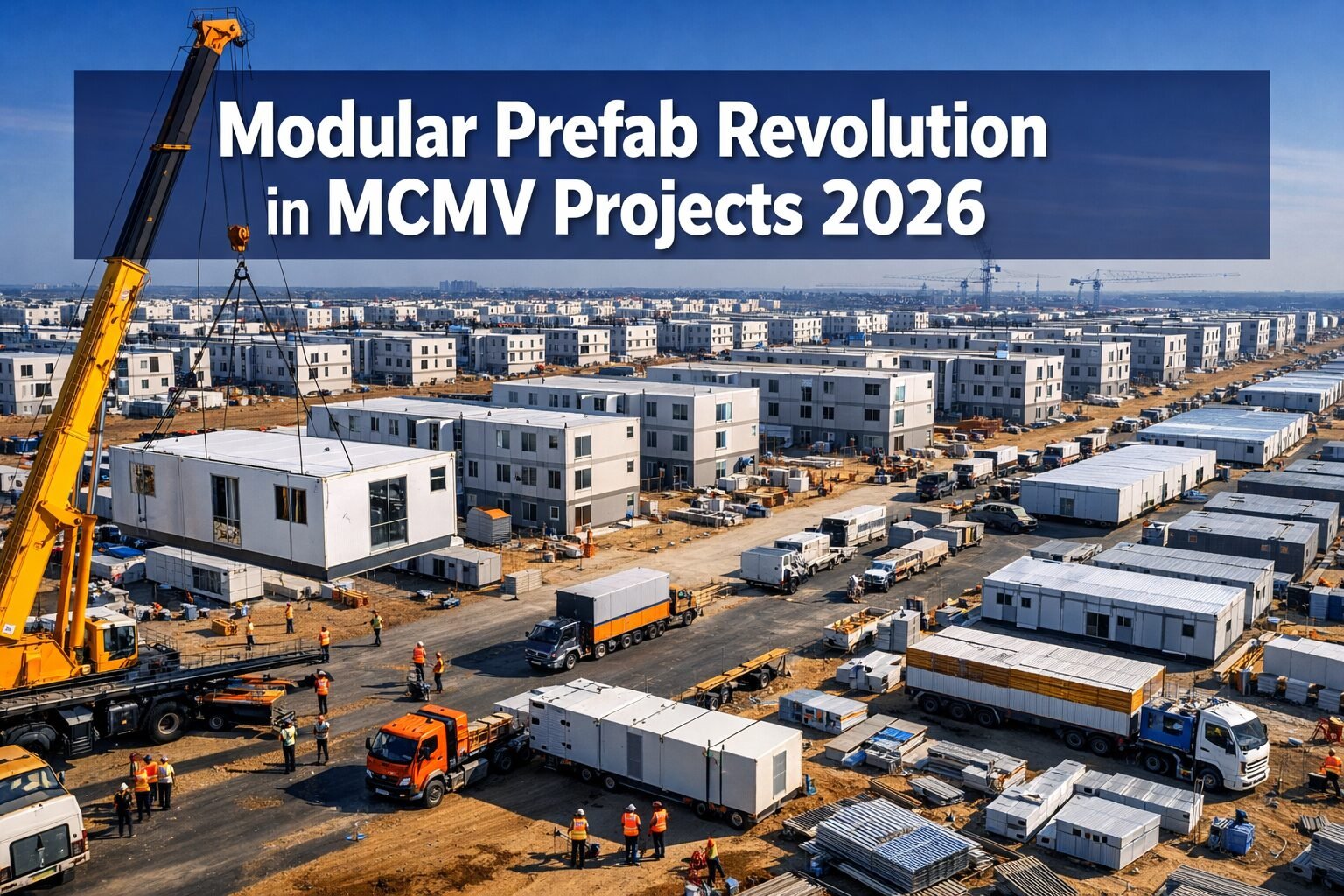
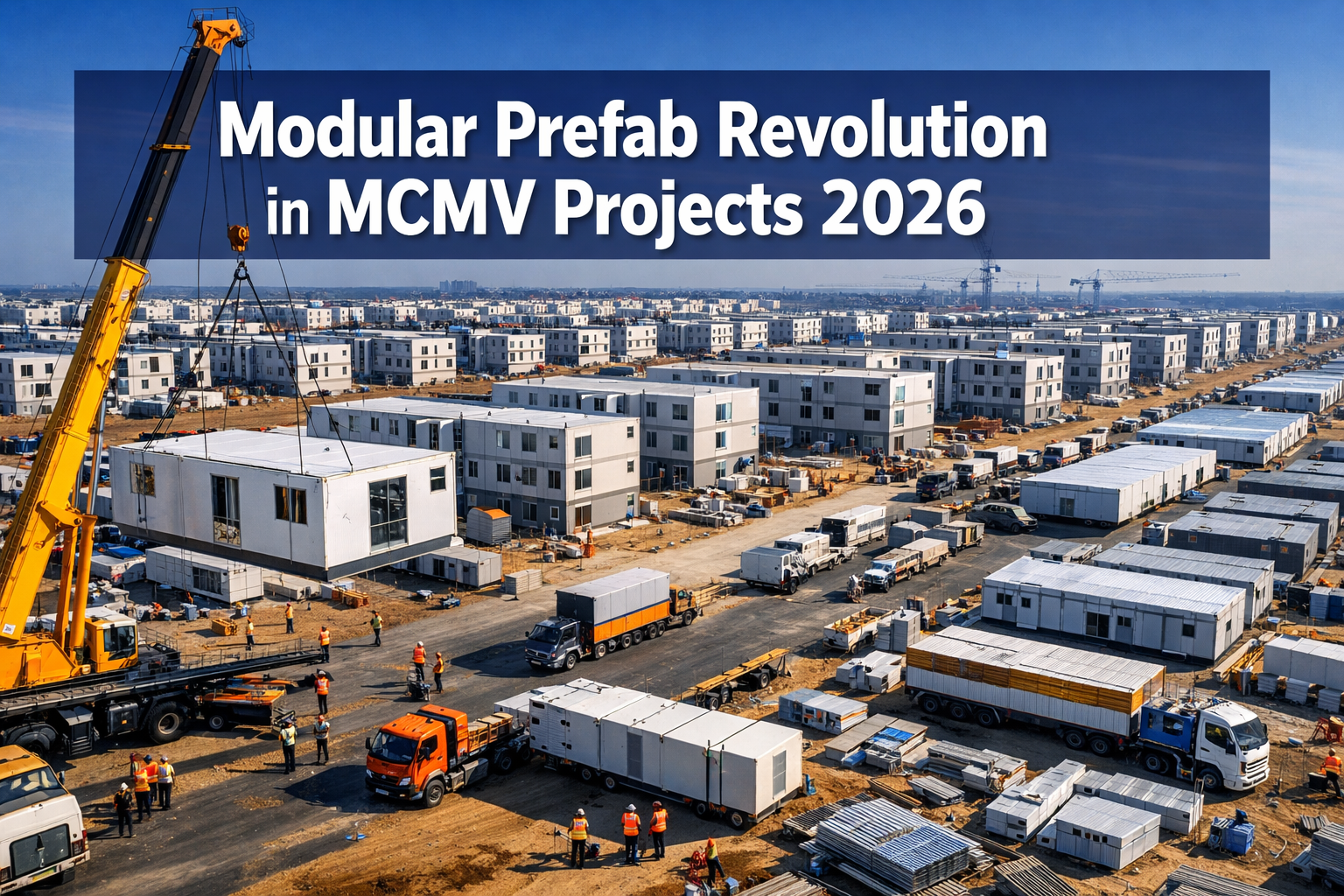
Brazil’s ambitious housing program faces an unprecedented challenge: delivering over one million affordable housing units through the Minha Casa Minha Vida (MCMV) initiative while navigating global supply chain disruptions and labor shortages. The Modular Prefab Revolution in MCMV Projects 2026: Accelerating 1M+ Unit Delivery Amid Supply Chain Pressures is transforming how developers, government agencies, and construction firms approach large-scale residential delivery. With the prefabricated construction market projected to reach $207.82 billion by 2033[1], modular methods are no longer experimental—they’re becoming the standard for meeting aggressive housing targets while maintaining quality and cost control.
This shift aligns perfectly with Brazil’s real estate sector growth forecast of 3.3% and government commitments to expand affordable housing access. As traditional construction methods struggle with material delays and skilled labor scarcity, modular prefabrication offers a proven pathway to faster completion, reduced costs, and improved predictability.
Key Takeaways
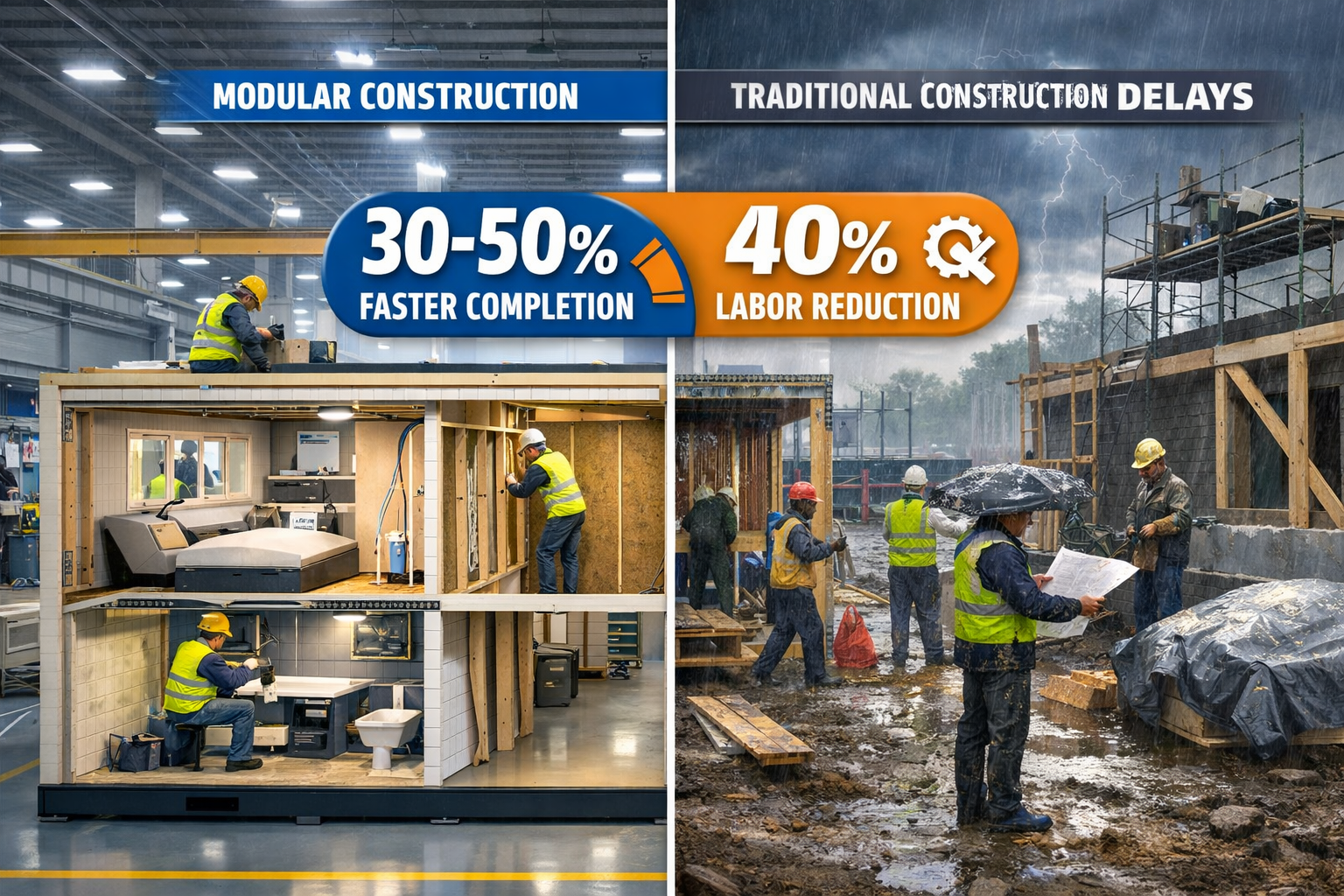
✅ Speed Advantage: Modular construction delivers 30-50% faster completion timelines compared to traditional methods, critical for meeting MCMV’s 1M+ unit targets[1]
✅ Labor Efficiency: Reduces labor requirements by 40%, addressing Brazil’s construction workforce challenges[1]
✅ Weather Resilience: Experiences 80% fewer weather-related delays through controlled factory environments[1]
✅ Cost Predictability: Provides tighter budget control and pricing transparency from project inception[2]
✅ Market Momentum: The global prefab market is accelerating toward mainstream adoption, with manufacturing and construction industries converging[1]
Understanding the Modular Prefab Revolution in MCMV Projects 2026
The Modular Prefab Revolution in MCMV Projects 2026: Accelerating 1M+ Unit Delivery Amid Supply Chain Pressures represents a fundamental shift in how Brazil approaches affordable housing construction. Unlike traditional stick-built methods where every component is assembled on-site, modular construction manufactures complete housing units or substantial components in controlled factory settings before transporting them to final locations.
What Makes Modular Construction Different?
Modular prefabrication involves building three-dimensional units in factories with precision equipment and standardized processes. These modules arrive at construction sites 60-90% complete, requiring only final assembly, utility connections, and finishing touches.
Key distinctions include:
- 🏭 Factory-controlled production with consistent quality standards
- 📦 Simultaneous site and module preparation reducing overall timelines
- 🔧 Standardized components enabling economies of scale
- 🌡️ Weather-independent manufacturing maintaining consistent schedules
- ♻️ Reduced material waste through precise cutting and recycling
For developers exploring innovative construction approaches in Brazil’s growing markets, modular methods offer compelling advantages over traditional construction.
The MCMV Context: Why Speed and Scale Matter
Brazil’s Minha Casa Minha Vida program aims to address housing deficits affecting millions of low- and middle-income families. With over 1 million units currently under construction and ambitious expansion plans, the program faces several critical pressures:
| Challenge | Traditional Impact | Modular Solution |
|---|---|---|
| Timeline Pressure | 18-24 month completion | 30-50% faster delivery[1] |
| Labor Shortages | Project delays, cost overruns | 40% reduced labor needs[1] |
| Supply Chain Disruptions | Material delays, price volatility | Bulk purchasing, controlled inventory |
| Weather Delays | Frequent stoppages | 80% fewer weather delays[1] |
| Quality Consistency | Variable site conditions | Factory-controlled standards |
The Brazilian real estate market’s growth trajectory makes efficient construction methods essential for meeting demand while maintaining affordability.
How Modular Prefab Accelerates MCMV Unit Delivery
The Modular Prefab Revolution in MCMV Projects 2026: Accelerating 1M+ Unit Delivery Amid Supply Chain Pressures achieves its impressive speed advantages through several interconnected mechanisms that fundamentally restructure the construction timeline.
Timeline Compression Through Parallel Processing
Traditional construction follows a sequential model: foundation work must complete before framing begins, framing before electrical and plumbing, and so forth. Modular construction enables parallel workflows where site preparation and module manufacturing occur simultaneously.
Real-world timeline comparison:
- Traditional MCMV project: 18-24 months from groundbreaking to occupancy
- Modular MCMV project: 10-14 months total delivery time
- Time savings: 30-60% reduction[2] in overall project duration
This acceleration proves particularly valuable when government housing targets include specific delivery deadlines tied to funding cycles or political commitments.
Labor Efficiency and Workforce Optimization
The construction industry globally faces a widening skills gap[2], with experienced tradespeople retiring faster than new workers enter the field. Modular construction addresses this challenge through:
Factory-based advantages:
- 👷 Specialized assembly lines where workers develop expertise in specific tasks
- 📚 Faster training cycles for new employees on standardized processes
- 🏢 Stable employment reducing turnover compared to project-based site work
- 🛡️ Safer working conditions in controlled environments
The 40% reduction in labor requirements[1] doesn’t necessarily mean fewer jobs—instead, it means more efficient use of available skilled workers, allowing the same workforce to complete more housing units in less time.
Weather Independence and Schedule Reliability
Brazil’s diverse climate zones present significant construction challenges, from heavy rains in the Amazon region to seasonal weather patterns affecting coastal developments. Traditional construction sites experience frequent weather-related delays that cascade through project timelines.
Modular construction’s 80% reduction in weather-related stoppages[1] comes from manufacturing the majority of components indoors. Only final assembly, foundation work, and utility connections require extended on-site work, dramatically reducing weather exposure.
This reliability proves crucial for large-scale development projects where schedule predictability affects financing, sales commitments, and community planning.
Supply Chain Resilience Through Bulk Procurement
Global supply chain disruptions have created material shortages and price volatility that plague traditional construction projects. The modular approach offers several supply chain advantages:
Strategic procurement benefits:
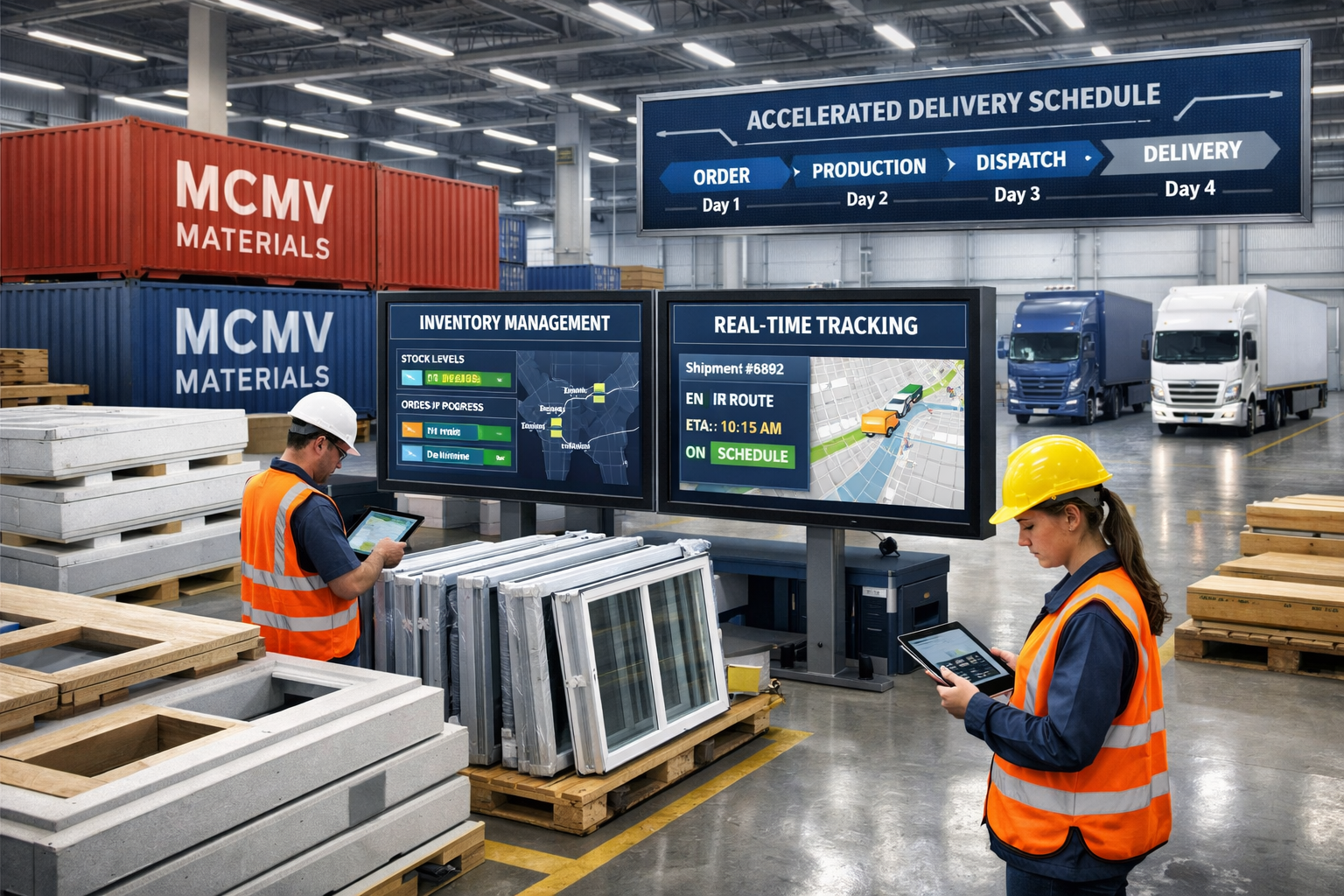
- 📊 Bulk material purchasing leveraging factory-scale orders
- 🏪 Controlled inventory management reducing theft and damage
- 🔄 Supplier relationship stability through consistent, predictable orders
- 💰 Price lock-ins protecting against mid-project cost escalations
Factories can maintain material stockpiles and negotiate long-term supplier agreements that individual construction sites cannot match. This cost predictability[2] helps MCMV projects maintain budget targets despite market volatility.
Cost Economics and Financial Benefits for MCMV Projects
Beyond speed advantages, the Modular Prefab Revolution in MCMV Projects 2026: Accelerating 1M+ Unit Delivery Amid Supply Chain Pressures delivers compelling financial benefits that make affordable housing more achievable at scale.
Upfront Cost Considerations
Modular construction requires different capital allocation compared to traditional methods:
Initial investments:
- 🏭 Factory setup or partnership agreements
- 🚚 Transportation and logistics infrastructure
- 🔧 Specialized equipment for module assembly
- 📋 Design standardization and engineering
While these upfront costs exist, they distribute across multiple projects, creating economies of scale that improve with each additional housing unit produced.
Total Cost Advantages Over Project Lifecycle
Direct cost reductions:
- Material waste minimization: Factory precision cutting reduces waste by 15-20% compared to on-site construction
- Labor cost efficiency: 40% reduction in labor hours[1] translates directly to lower labor expenses
- Financing cost savings: Faster completion means shorter construction loan periods and reduced interest expenses
- Reduced site overhead: Shorter on-site timelines lower security, utilities, and management costs
Indirect financial benefits:
- 💵 Faster revenue generation: Earlier occupancy means quicker rental income or sales proceeds
- 📉 Lower risk premiums: Predictable timelines reduce financing costs and insurance rates
- 🎯 Budget certainty: Tighter cost control from project inception[2] prevents mid-build surprises
- ⚖️ Reduced contingency needs: Lower uncertainty allows smaller contingency reserves
For developers focused on maximizing returns, these financial advantages compound across large portfolios of MCMV projects.
Quality and Maintenance Cost Implications
Factory construction under controlled conditions produces more consistent quality than variable site conditions. This consistency translates to:
- 🏠 Reduced warranty claims from construction defects
- 🔨 Lower maintenance costs over building lifecycles
- 😊 Higher resident satisfaction reducing turnover in rental projects
- 📈 Better long-term value retention for homeowners
The World Economic Forum notes that modular construction has moved “decisively into the mainstream”[1], partly due to quality improvements that match or exceed traditional construction standards.
Technology Integration and Smart Housing Features
Modern modular construction increasingly incorporates smart technology as standard features rather than expensive upgrades. In 2026, manufactured homes and modular MCMV units include built-in systems for comfort optimization, energy management, and connectivity[5].
Standard Smart Features in 2026 Modular Units
Integrated technology packages:
- 🌡️ Smart thermostats with learning algorithms for energy efficiency
- 💡 LED lighting systems with automated controls and scheduling
- 🔌 Pre-wired smart home infrastructure ready for resident customization
- 📱 Mobile app integration for remote monitoring and control
- ⚡ Energy monitoring systems helping residents track and reduce consumption
These features arrive factory-installed, avoiding the coordination challenges and added costs of retrofitting smart technology into completed units.
Community-Level Innovations
Beyond individual units, modular MCMV developments incorporate community features that enhance livability:
- 🚗 EV charging stations preparing for electric vehicle adoption
- 🌳 Shared green spaces designed into master plans
- 📶 High-speed internet infrastructure supporting remote work and education
- 🏋️ Community amenities including fitness and social areas
These additions align with evolving lifestyle preferences in Brazilian markets where residents increasingly value connectivity and community features.
Overcoming Implementation Challenges
Despite compelling advantages, scaling modular construction for MCMV’s 1M+ unit delivery faces real challenges that require strategic solutions.
Regulatory and Approval Processes
Challenge: Building codes and approval processes designed for traditional construction don’t always accommodate modular methods efficiently.
Solutions in progress:
- 📜 Standardized approval protocols for pre-certified modular designs
- 🤝 Government-industry collaboration updating regulatory frameworks
- ✅ Factory certification programs streamlining individual project approvals
- 🔍 Quality assurance partnerships between regulators and manufacturers
Transportation and Logistics Constraints
Challenge: Moving large modules from factories to construction sites requires specialized equipment and route planning.
Mitigation strategies:
- 🚛 Regional factory networks reducing transportation distances
- 🗺️ Route pre-planning identifying and addressing infrastructure limitations
- 📦 Optimized module sizing balancing completeness with transportability
- ⏰ Coordinated delivery scheduling minimizing site congestion
Design Flexibility Perceptions
Challenge: Misconceptions that modular construction limits architectural variety and customization.
Reality in 2026:
- 🎨 Extensive design libraries offering varied aesthetics and layouts
- 🔧 Customization options within standardized platforms
- 🏗️ Hybrid approaches combining modular efficiency with custom elements
- 📐 Advanced design software enabling rapid customization while maintaining efficiency
For developers working on diverse projects, modern modular systems offer surprising flexibility while maintaining cost and speed advantages.
Workforce Transition and Training
Challenge: Shifting from traditional construction to modular methods requires workforce adaptation.
Training initiatives:
- 🎓 Technical education partnerships preparing new workers for factory roles
- 🔄 Transition programs helping traditional tradespeople adapt skills
- 👥 Industry certification standards ensuring quality across the sector
- 💼 Career pathway development attracting talent to modular construction
Market Outlook and Future Trajectory
The Modular Prefab Revolution in MCMV Projects 2026: Accelerating 1M+ Unit Delivery Amid Supply Chain Pressures represents more than a temporary solution to current challenges—it signals a permanent shift in construction methodology.
Growth Projections and Market Expansion
The prefabricated and modular construction market’s trajectory toward $207.82 billion by 2033[1] reflects accelerating adoption across residential, commercial, and institutional sectors. Key growth drivers include:
Market forces:
- 🏘️ Persistent housing shortages in urban centers globally
- 💰 Cost pressures making efficiency essential
- 🌍 Sustainability requirements favoring controlled manufacturing
- 👷 Labor constraints continuing to tighten
Brazilian market specifics:
- 📈 3.3% sector growth forecasts supporting construction innovation
- 🏛️ Government housing commitments requiring scalable solutions
- 🌆 Urbanization trends concentrating demand in key markets
- 💵 Infrastructure investments improving logistics capabilities
Convergence of Construction and Manufacturing
The World Economic Forum identifies a significant convergence between construction and manufacturing industries[1], with implications for how projects are conceived, financed, and delivered.
Industry transformation indicators:
- 🏭 Major manufacturers entering housing production
- 🤝 Construction-tech partnerships bringing innovation to traditional builders
- 💻 Digital integration throughout design and production processes
- 📊 Data-driven optimization improving efficiency continuously
This convergence benefits forward-thinking developers who embrace new methodologies while maintaining focus on resident needs and market demands.
Sustainability and Environmental Considerations
Modular construction’s environmental advantages increasingly influence adoption decisions:
Sustainability benefits:
- ♻️ Material waste reduction through precise manufacturing
- ⚡ Energy efficiency in factory production versus site construction
- 🌱 Reduced site disturbance and shorter construction footprints
- 🔄 Recyclability of materials and potential for future adaptability
As environmental regulations tighten and buyer preferences shift toward sustainable housing, these advantages become competitive differentiators.
Strategic Recommendations for Stakeholders
Successfully leveraging the Modular Prefab Revolution in MCMV Projects 2026: Accelerating 1M+ Unit Delivery Amid Supply Chain Pressures requires coordinated action from multiple stakeholders.
For Government Housing Agencies
Priority actions:
- Update regulatory frameworks to streamline modular approvals
- Invest in logistics infrastructure supporting efficient module transportation
- Create incentive programs encouraging modular adoption for MCMV projects
- Establish quality standards ensuring consistent outcomes
- Support workforce training preparing workers for factory-based construction
For Developers and Builders
Strategic considerations:
- Evaluate factory partnerships versus in-house capabilities
- Pilot modular projects to build expertise and refine processes
- Redesign project workflows optimizing for parallel construction
- Invest in design standardization while maintaining market appeal
- Develop supply chain relationships leveraging bulk procurement advantages
Developers can explore successful implementation examples to understand best practices and avoid common pitfalls.
For Financial Institutions
Financing adaptations:
- Develop modular-specific loan products recognizing different risk profiles
- Adjust appraisal methods accounting for factory construction quality
- Create construction-to-permanent financing optimized for faster timelines
- Reduce contingency requirements reflecting lower uncertainty
- Support factory development through equipment and facility financing
For Residents and Buyers
Informed decision-making:
- Research modular quality standards understanding construction differences
- Evaluate smart technology features and long-term value
- Consider total cost of ownership including energy and maintenance savings
- Assess community features beyond individual unit characteristics
- Understand warranty coverage and manufacturer support
Conclusion
The Modular Prefab Revolution in MCMV Projects 2026: Accelerating 1M+ Unit Delivery Amid Supply Chain Pressures represents a critical evolution in how Brazil addresses its affordable housing challenges. With over one million units under construction and ambitious expansion targets ahead, traditional construction methods simply cannot deliver the speed, cost predictability, and quality consistency required.
Modular prefabrication offers proven advantages: 30-50% faster completion timelines[1], 40% labor efficiency gains[1], 80% fewer weather delays[1], and superior cost control throughout project lifecycles[2]. These benefits aren’t theoretical—they’re being demonstrated in projects worldwide as the industry moves decisively toward mainstream adoption.
The path forward requires coordinated action from government agencies updating regulations, developers embracing new methodologies, financial institutions adapting lending practices, and workforce development programs preparing the next generation of construction professionals. The technology exists, the economic case is compelling, and the market momentum is building.
Next Steps for Action
Immediate priorities:
✅ Assess current projects for modular conversion opportunities
✅ Build partnerships with established modular manufacturers
✅ Pilot test projects to develop organizational capabilities
✅ Update procurement processes leveraging bulk purchasing advantages
✅ Invest in workforce training for factory-based construction methods
The modular prefab revolution isn’t coming—it’s already here. Stakeholders who act decisively in 2026 will position themselves advantageously as the construction industry completes its transformation toward manufacturing-based methodologies. For MCMV’s ambitious housing targets, modular construction isn’t just an option—it’s becoming the essential pathway to success.
Explore innovative development opportunities that leverage these emerging construction technologies, or learn more about current market trends shaping Brazil’s real estate landscape.
References
[1] How Modular Construction Solves Biggest Industry Challenges – https://cicconstruction.com/blog/how-modular-construction-solves-biggest-industry-challenges/
[2] Modular Vs Traditional Construction In 2026 Cost Speed Roi Compared – https://www.s2amodular.com/2026/01/30/modular-vs-traditional-construction-in-2026-cost-speed-roi-compared/
[3] Unveiling Americas Modular Home Revolution The Definitive – https://homeandartmagazine.com/unveiling-americas-modular-home-revolution-the-definitive/
[4] Future Modular Home Trends 2026 – https://www.modulawood.com/blog/future-modular-home-trends-2026.php
[5] Watch – https://www.youtube.com/watch?v=6_ee5zY-xwY