
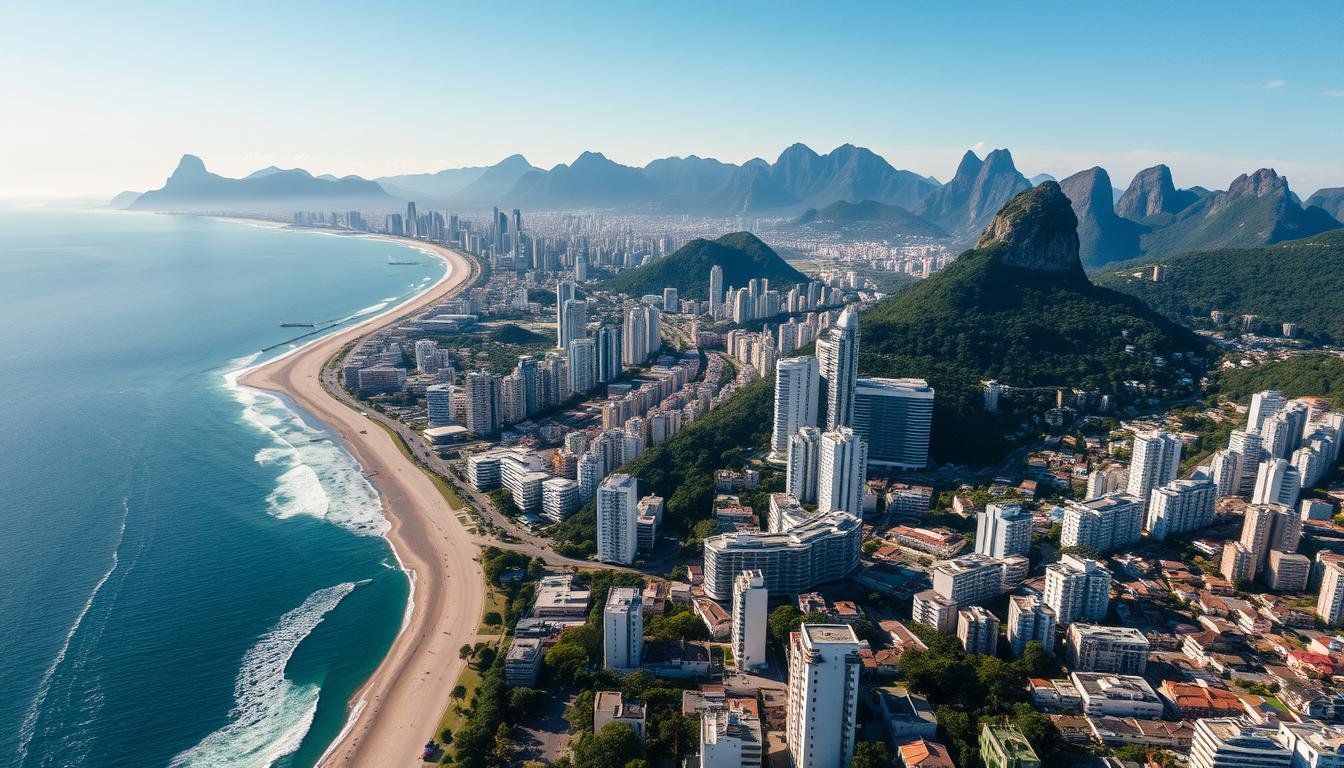
Brazil’s real estate market continues to attract global investors seeking diversification and growth potential in Latin America’s largest economy. With its diverse regional markets, from bustling urban centers to pristine coastal areas, property investment in Brazil offers unique opportunities for both seasoned investors and newcomers to the market. This comprehensive guide explores the current landscape, legal considerations, and emerging trends that will shape Brazilian real estate in 2024.
Vantagens do Investimento Imobiliário no Brasil
The Brazilian property market offers several compelling advantages that continue to attract domestic and international investors. Understanding these benefits is crucial for making informed investment decisions in this dynamic market.
Incentivos Fiscais e Econômicos
Brazil offers various tax incentives for real estate investors, including reduced rates for long-term investments and special programs for development in specific regions. The government has implemented policies to stimulate the housing market, making it more accessible for foreign investors to participate in the country’s growth.
“O mercado imobiliário brasileiro apresenta uma relação custo-benefício excepcional quando comparado com outros mercados emergentes. Os investidores estrangeiros frequentemente conseguem adquirir propriedades por uma fração do custo de mercados similares na Europa ou América do Norte.”
Potencial Turístico e Valorização
Tourist destinations like Rio de Janeiro, Florianópolis, and the Northeast coast continue to see strong demand for vacation rentals and second homes. These areas offer excellent potential for rental income and property appreciation, particularly for properties in prime locations with ocean views or proximity to popular attractions.

Tendências de Urbanização
Brazil’s ongoing urbanization creates consistent demand for residential and commercial properties in major cities. The expansion of urban centers and development of new neighborhoods presents opportunities for early-stage investments with significant appreciation potential as infrastructure improves and amenities develop.
Destaque: Barra da Tijuca, Rio de Janeiro
A região da Barra da Tijuca continua sendo um dos polos de desenvolvimento mais dinâmicos do Rio de Janeiro. Com novos lançamentos imobiliários de alto padrão, infraestrutura moderna e proximidade às praias, a área atrai tanto investidores quanto moradores de alta renda.
Os condomínios de luxo na região têm apresentado valorização média de 12% ao ano, superando significativamente a inflação e oferecendo excelente potencial de retorno sobre investimento.
Riscos e Desafios para Investidores
While the opportunities are significant, property investment in Brazil also comes with certain risks that investors should carefully consider before committing capital to this market.
Oportunidades
- Preços competitivos comparados a mercados internacionais
- Potencial de valorização em áreas em desenvolvimento
- Rendimento atrativo com aluguel para turistas
- Diversificação de portfólio em moeda estrangeira
- Possibilidade de residência permanente através de investimento
Riscos
- Flutuações cambiais que podem afetar o retorno em moeda estrangeira
- Burocracia e atrasos em processos legais
- Instabilidade econômica regional em algumas áreas
- Custos adicionais com impostos e taxas
- Desafios na gestão de propriedades à distância
Flutuações Cambiais
Currency fluctuations can significantly impact returns for foreign investors. The Brazilian Real has historically experienced volatility against major currencies like the US Dollar and Euro. While this can create buying opportunities during favorable exchange rates, it also introduces risk when repatriating profits or calculating returns in foreign currency.

Atrasos Burocráticos
Brazil’s bureaucratic processes can be time-consuming and complex, particularly for foreign investors unfamiliar with local procedures. Property transactions often involve multiple government agencies, notaries, and registration offices, which can lead to unexpected delays in completing purchases or obtaining necessary permits.
Dica importante: Sempre trabalhe com um advogado especializado em direito imobiliário que tenha experiência com investidores estrangeiros. Isso pode reduzir significativamente os atrasos burocráticos e evitar problemas legais futuros.
Instabilidade Regional
Economic and social conditions can vary dramatically between different regions of Brazil. While some areas enjoy stable growth and development, others may face challenges related to infrastructure, security, or economic stability. Thorough research into local market conditions is essential before committing to investments in specific regions.
Destaques Regionais: Onde Investir em 2024
Brazil’s diverse regions offer varying investment profiles, each with unique advantages and market characteristics. Understanding these regional differences is crucial for targeting investments that align with your financial goals and risk tolerance.
| Região | Tipo de Mercado | Retorno Médio Anual | Perfil de Risco | Melhor Para |
| São Paulo (Capital) | Imóveis de luxo e comerciais | 7-9% | Moderado | Investidores institucionais, fundos |
| Nordeste (Fortaleza, Natal) | Imóveis à beira-mar, turísticos | 8-12% | Moderado-Alto | Investidores em turismo, aluguel de temporada |
| Centro-Oeste (Goiânia, Brasília) | Residencial e agronegócio | 6-8% | Baixo-Moderado | Investidores conservadores, longo prazo |
| Sul (Florianópolis, Balneário Camboriú) | Imóveis de alto padrão, turísticos | 7-10% | Moderado | Investidores em segunda residência |
São Paulo: Mercado de Luxo e Comercial
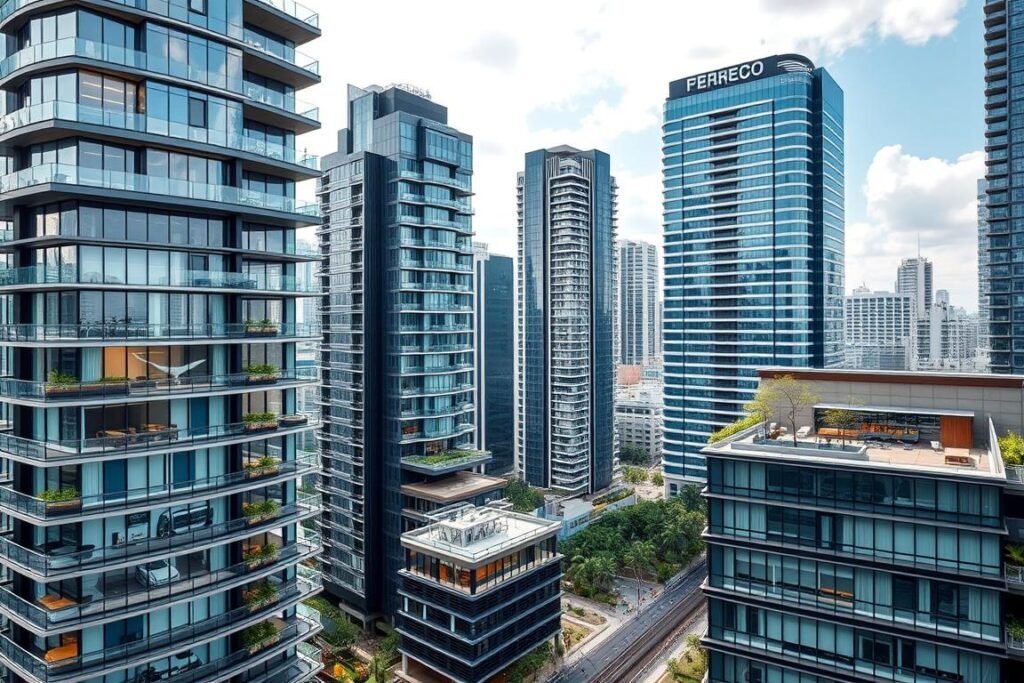
São Paulo continues to be Brazil’s economic powerhouse, with a robust market for luxury apartments and commercial properties. The city’s financial district and upscale neighborhoods like Jardins, Itaim Bibi, and Vila Nova Conceição offer premium investment opportunities with stable returns and lower vacancy rates compared to other regions.
Nordeste: Oportunidades à Beira-Mar
Brazil’s Northeast region, including cities like Fortaleza, Natal, and Recife, offers attractive beachfront investment opportunities. With growing international tourism and improving infrastructure, these areas provide strong rental yields, particularly for short-term vacation rentals. The region’s year-round warm climate and beautiful beaches continue to drive demand from both domestic and international buyers.
Destaque: Porto de Galinhas, Pernambuco
Porto de Galinhas tem se destacado como um dos destinos turísticos mais procurados do Nordeste brasileiro. Com suas piscinas naturais e praias paradisíacas, a região tem atraído investimentos significativos em resorts e condomínios de alto padrão.
Propriedades com vista para o mar têm apresentado valorização média de 15% nos últimos dois anos, impulsionadas pelo crescimento do turismo nacional e internacional na região.
Zonas Agro-Industriais
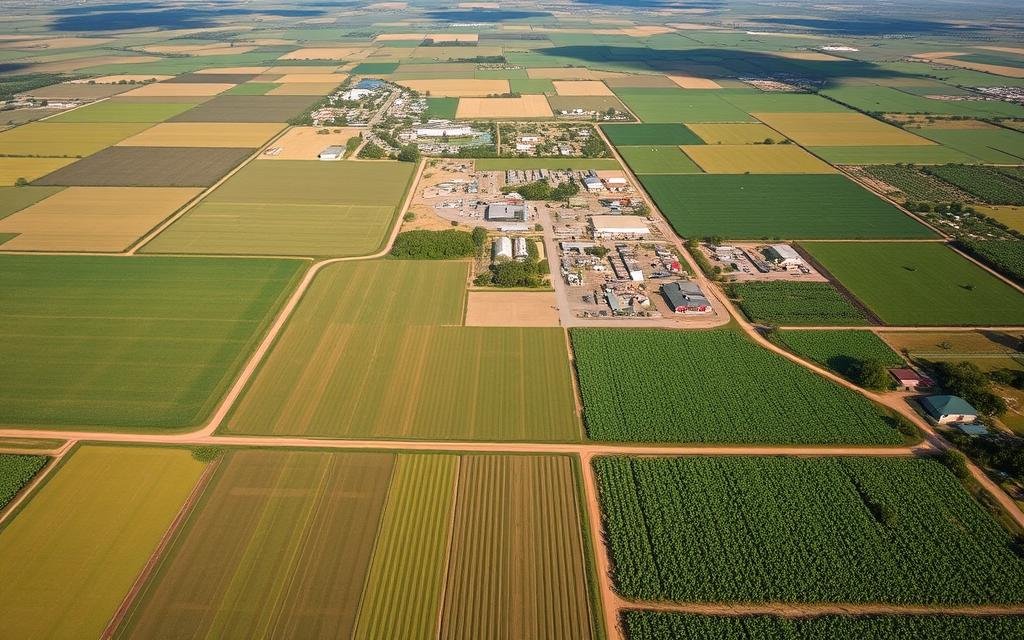
Agricultural and industrial zones in states like Mato Grosso, Goiás, and parts of Minas Gerais offer different investment profiles focused on productive land and industrial facilities. These investments typically provide more stable returns tied to Brazil’s strong agricultural sector but require specialized knowledge and local partnerships to manage effectively.
Guia Legal para Investidores Estrangeiros
Understanding the legal framework for property ownership in Brazil is essential for foreign investors. While Brazil welcomes foreign investment in real estate, certain regulations and procedures must be followed to ensure legal compliance and protect your investment.
Regras para Propriedade Estrangeira
Foreign individuals and companies can purchase urban properties in Brazil with relatively few restrictions. However, rural properties and land near Brazil’s borders are subject to additional regulations and may require special authorization. Foreign buyers must obtain a CPF (Brazilian tax identification number) before purchasing property and should work with experienced legal professionals to navigate the process.

Registro de Terras (CCIR)
For rural properties, the CCIR (Certificate of Registration of Rural Property) is a mandatory document issued by INCRA (National Institute of Colonization and Agrarian Reform). This certificate confirms that the property complies with environmental and land use regulations. Foreign investors should verify that rural properties have a valid and updated CCIR before proceeding with any purchase.
Documentação necessária para investidores estrangeiros:
- CPF (Cadastro de Pessoa Física) – obrigatório para qualquer transação imobiliária
- Passaporte válido e visto (quando aplicável)
- Comprovante de residência no país de origem
- Declaração de origem dos recursos (para transações acima de R$100.000)
- Procuração para representante legal no Brasil (recomendado)
Implicações Fiscais
Non-resident property owners in Brazil face several tax obligations, including property tax (IPTU for urban properties or ITR for rural properties), income tax on rental income, and capital gains tax when selling properties. Tax rates and regulations can vary by municipality and property type, making professional tax advice essential for optimizing your investment structure.
“Investidores estrangeiros frequentemente subestimam a complexidade do sistema tributário brasileiro. Um planejamento tributário adequado pode representar uma economia significativa e evitar problemas futuros com as autoridades fiscais.”

Estratégias de Investimento para 2024
The Brazilian real estate market offers various investment vehicles and strategies beyond direct property ownership. These alternatives can provide access to the market with different levels of capital requirements, management involvement, and risk profiles.
Fundos de Investimento Imobiliário (FIIs)
Brazilian Real Estate Investment Trusts (FIIs) offer a way to invest in the property market without directly owning physical assets. These funds trade on the Brazilian stock exchange (B3) and provide exposure to various property segments, including commercial buildings, shopping centers, logistics facilities, and residential developments. FIIs typically distribute at least 95% of their income to investors and offer liquidity advantages compared to direct property ownership.
Plataformas de Crowdfunding
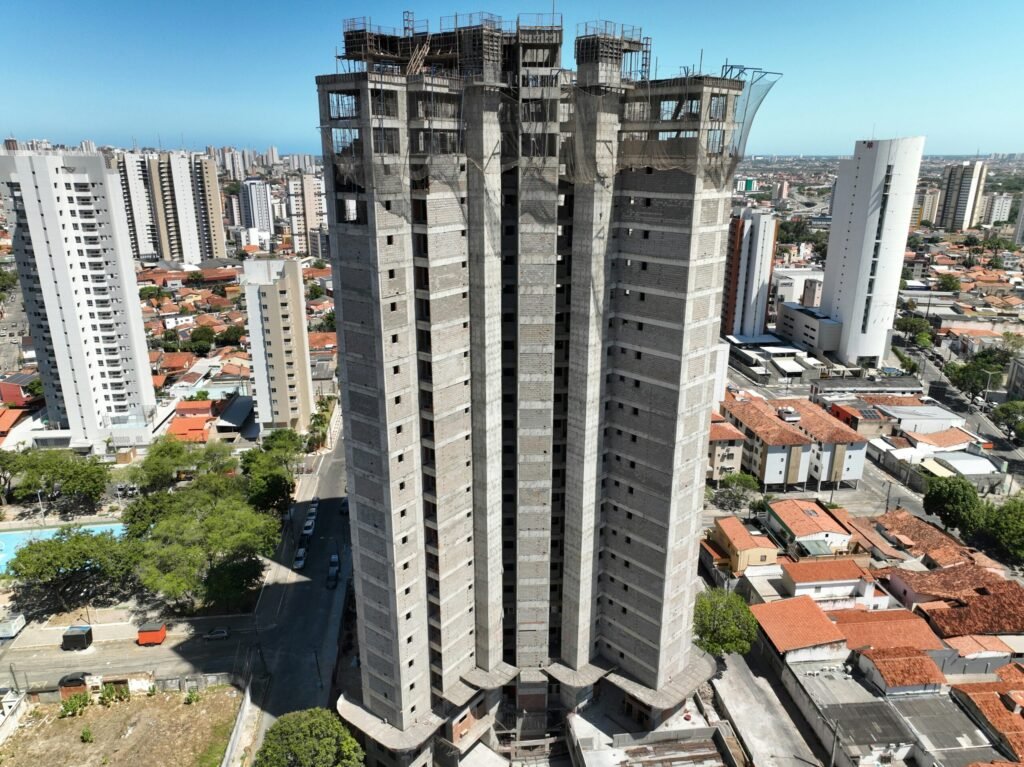
Real estate crowdfunding platforms have emerged as an accessible way to participate in Brazilian property developments with relatively small amounts of capital. These platforms allow investors to fund specific projects and receive returns based on the project’s performance. While offering lower barriers to entry, crowdfunding investments require careful due diligence on both the platform and the specific projects being funded.
Destaque: Revitalização do Centro de São Paulo
Projetos de retrofit no centro histórico de São Paulo têm atraído investimentos via plataformas de crowdfunding imobiliário. A transformação de edifícios antigos em espaços residenciais modernos tem gerado retornos atrativos para investidores que participam desde as fases iniciais dos projetos.
Com tickets iniciais a partir de R$1.000, estas plataformas democratizam o acesso ao mercado imobiliário de alto potencial em áreas urbanas em processo de revitalização.
Modelos de Parceria
Partnership models with local developers or property management companies can help foreign investors navigate the Brazilian market more effectively. These arrangements typically involve sharing costs, risks, and returns with local partners who contribute market knowledge, operational expertise, and on-the-ground management capabilities. Well-structured partnerships can mitigate many of the challenges faced by foreign investors operating independently in Brazil.

Previsões para o Mercado Imobiliário Brasileiro em 2024
Several key factors are expected to influence Brazil’s real estate market in 2024, creating both opportunities and challenges for investors. Understanding these trends can help position your investment strategy for optimal results.
Impacto dos Cortes nas Taxas de Juros
Brazil’s central bank has begun a cycle of interest rate cuts that is expected to continue through 2024, potentially stimulating the real estate market by reducing borrowing costs. Lower interest rates typically increase property demand and values as financing becomes more accessible for local buyers. For foreign investors, this trend may create opportunities to enter the market ahead of potential price increases driven by stronger domestic demand.
Projetos de Infraestrutura
Major infrastructure projects planned or underway in Brazil are expected to significantly impact property values in affected regions. Projects like the Ferrogrão railway in the Center-West region and urban mobility improvements in major cities can create investment opportunities in areas poised for development and appreciation. Identifying locations that will benefit from infrastructure improvements can be a key strategy for forward-looking investors.

“Os grandes projetos de infraestrutura previstos para 2024-2026 devem criar ‘zonas de oportunidade’ em diversas regiões do Brasil. Investidores que identificarem essas áreas antecipadamente poderão se beneficiar de valorizações significativas nos próximos 3-5 anos.”
Tendências de Sustentabilidade
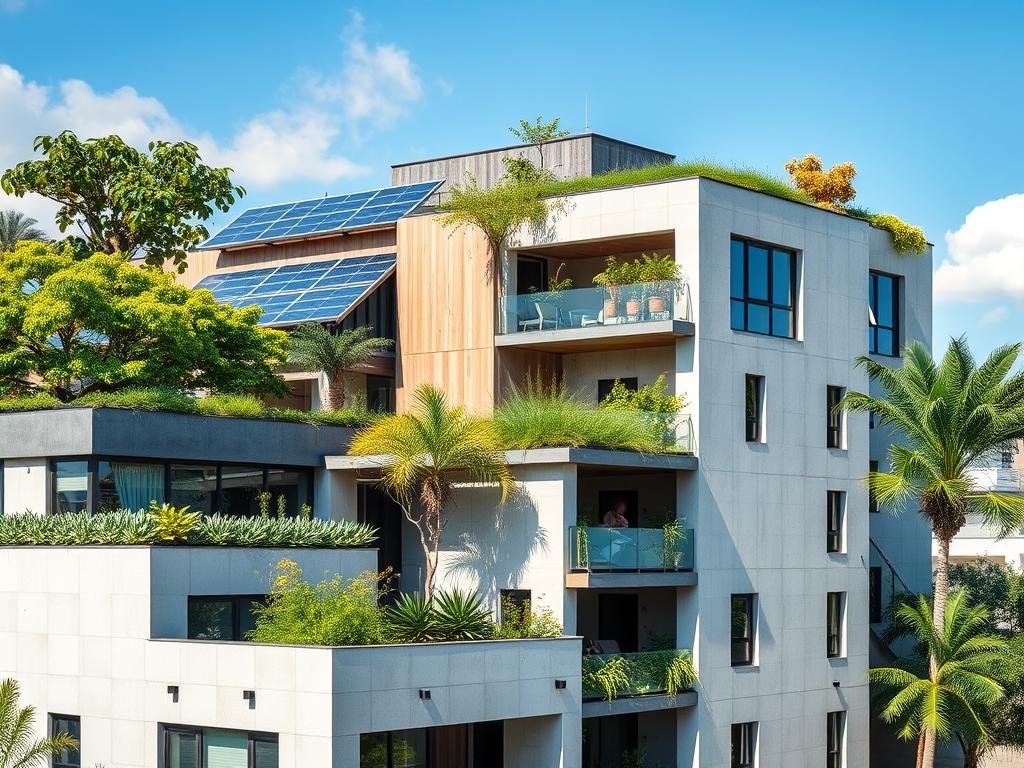
Sustainable and energy-efficient properties are gaining traction in Brazil’s real estate market, particularly in premium segments. Buildings with green certifications, energy-efficient designs, and sustainable features are commanding price premiums and attracting environmentally conscious tenants and buyers. This trend is expected to accelerate in 2024, creating opportunities for investors focused on sustainable development or property upgrades.
Conclusão: O Momento Certo para Investir?
Brazil’s real estate market in 2024 presents a complex but potentially rewarding landscape for investors. With its diverse regional opportunities, evolving legal framework, and emerging investment vehicles, the market offers multiple entry points for different investor profiles and objectives.
The combination of relatively affordable property prices (compared to many developed markets), potential for currency advantages, and ongoing infrastructure development creates a compelling case for strategic investment. However, success requires careful research, local expertise, and a clear understanding of both the opportunities and risks inherent in this dynamic market.
Whether you’re considering direct property ownership, REIT investments, or participation in development projects through crowdfunding platforms, professional guidance remains essential for navigating Brazil’s complex real estate environment and maximizing your investment potential.
Pronto para investir no mercado imobiliário brasileiro?
Antes de tomar qualquer decisão de investimento, consulte um especialista credenciado que possa oferecer orientação personalizada baseada em seus objetivos financeiros e perfil de risco.
Consulte um consultor credenciado pelo SECOVI antes de investir
Estrangeiros podem comprar qualquer tipo de imóvel no Brasil?
Estrangeiros podem adquirir propriedades urbanas sem restrições significativas, mas existem limitações para terras rurais e áreas próximas às fronteiras nacionais. Propriedades rurais acima de determinado tamanho requerem aprovação do INCRA e, em alguns casos, do Conselho de Defesa Nacional.
Quais são os custos adicionais na compra de um imóvel no Brasil?
Além do valor do imóvel, investidores devem considerar: ITBI (Imposto sobre Transmissão de Bens Imóveis) que varia de 2% a 6% dependendo do município; custos de escritura e registro (1-3%); honorários advocatícios (1-2%); e possíveis taxas de corretagem (5-6% em média).
Como funciona a tributação para investidores estrangeiros?
Investidores estrangeiros estão sujeitos ao Imposto de Renda sobre ganhos de capital na venda de imóveis (15-22.5% dependendo do valor), IPTU (Imposto Predial e Territorial Urbano) anual para propriedades urbanas, e imposto sobre rendimentos de aluguel. Existem também obrigações de declaração de bens ao Banco Central para investimentos acima de determinados valores.