
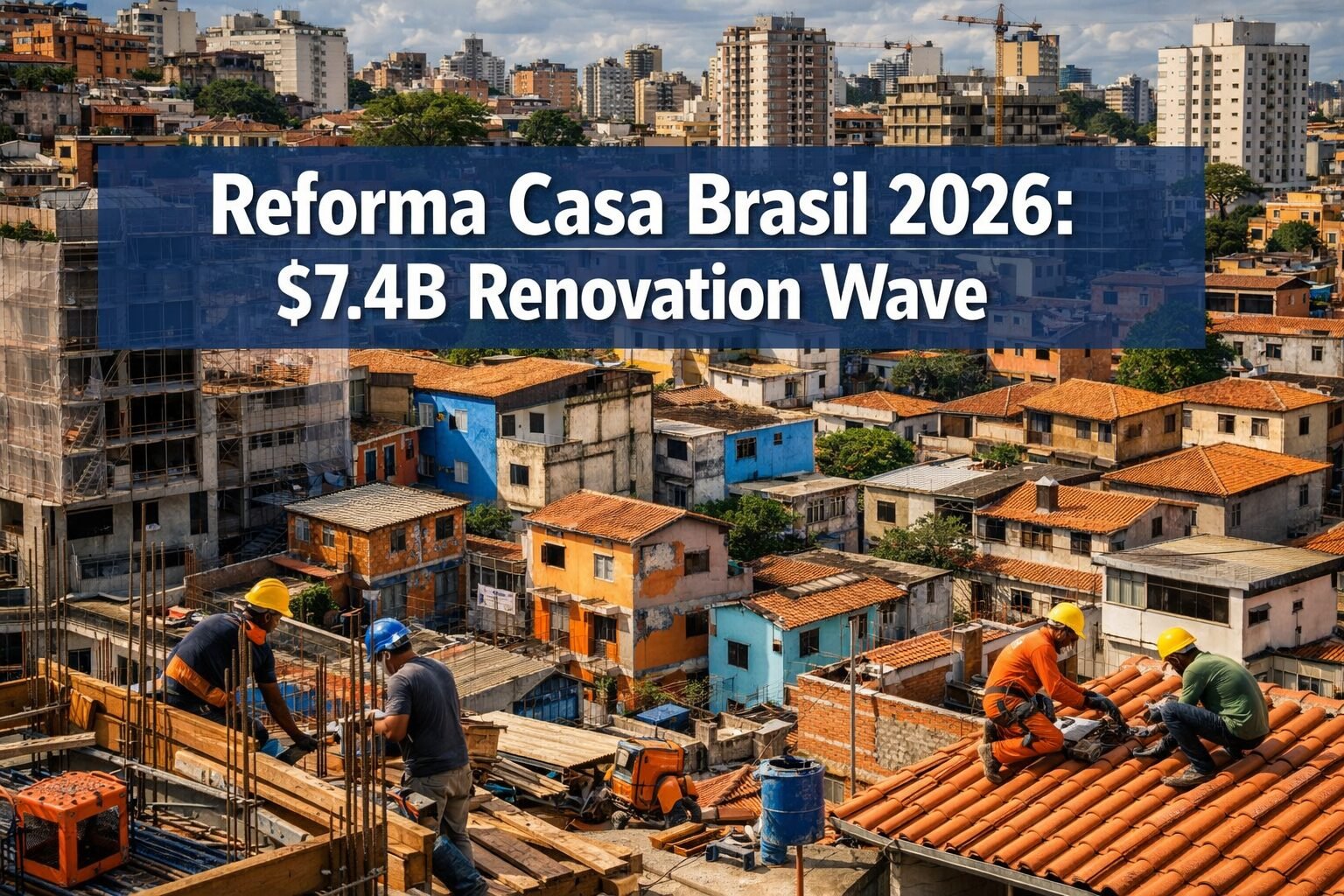
Brazil’s housing landscape is experiencing a seismic shift in 2026. The Reforma Casa Brasil 2026: $7.4B Renovation Wave Driving Urban Infill Development Opportunities represents a historic pivot from new construction to urban renewal, injecting billions into existing neighborhoods and creating unprecedented opportunities for developers, contractors, and real estate investors. This massive government-backed initiative is not just about fixing roofs and floors—it’s reshaping how Brazil approaches urban development, housing equity, and construction sector growth during a challenging economic period.
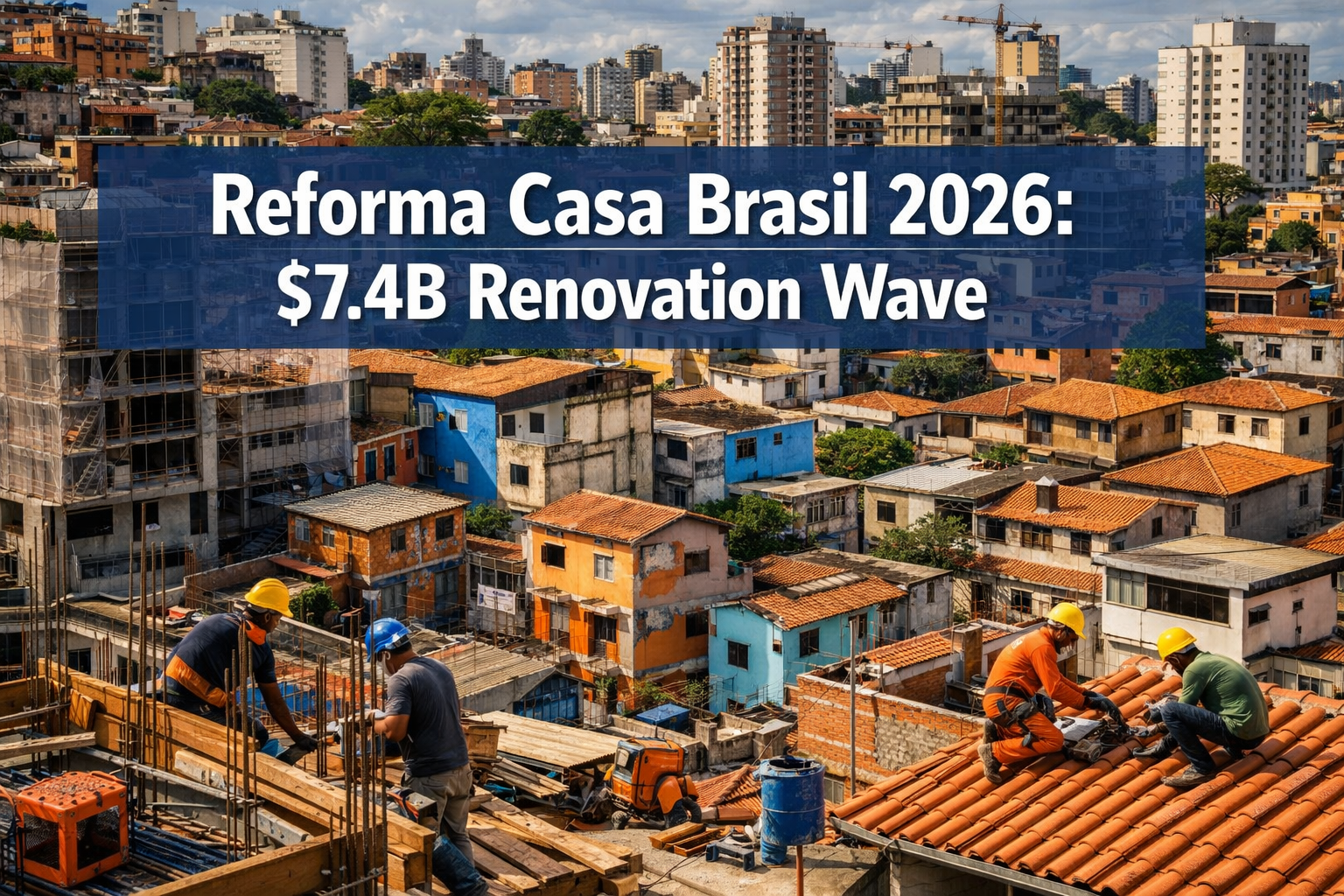
As Brazil navigates high interest rates and construction cost pressures, the Reforma Casa Brasil 2026: $7.4B Renovation Wave Driving Urban Infill Development Opportunities offers a strategic alternative to traditional greenfield development. With over 1 million urban families eligible for renovation financing and below-market interest rates, this program creates a new ecosystem where smart developers can partner with government institutions to capture emerging market segments. The implications extend far beyond simple home repairs—this is about urban densification, neighborhood revitalization, and unlocking value in Brazil’s existing housing stock.
Key Takeaways
🏗️ $7.4 billion dedicated exclusively to Reforma Casa Brasil through Caixa Econômica Federal and the Social Fund, part of a broader $39.8 billion housing investment in 2026 [1]
👨👩👧👦 Over 1 million urban families eligible for renovation loans ranging from R$5,000 to R$30,000 ($930–$5,590 USD) with flexible repayment terms [3]
🔧 Comprehensive improvement categories covered including lighting, flooring, roofing, mold remediation, accessibility modifications, and bathroom upgrades [7]
🤝 Strategic partnerships formalized between Ministry of Cities, Caixa Econômica Federal, and professional councils (CAU, CFT, CONFEA) ensuring technical quality standards [6]
📈 First-time election year implementation expanding housing policy reach during 2026 electoral cycle, creating accelerated deployment timelines [1]
Understanding the Reforma Casa Brasil 2026 Investment Framework
The $7.4B Allocation Breakdown
The Reforma Casa Brasil 2026: $7.4B Renovation Wave Driving Urban Infill Development Opportunities draws funding from three primary sources that create a sustainable financing model. The FGTS (Fundo de Garantia do Tempo de Serviço), Brazil’s mandatory severance fund financed by employer contributions, provides the largest portion of capital. This is complemented by resources from the Brazilian Social Fund and Caixa Econômica Federal’s development budget [1].
This financing structure differs fundamentally from traditional commercial real estate lending. While developers typically face Brazil’s elevated Selic rate environment—which has kept borrowing costs prohibitively high for many projects—Reforma Casa Brasil offers below-market interest rates specifically designed to overcome financing barriers [7]. For developers and contractors, this creates opportunities to participate in government-subsidized projects with more predictable cost structures.
The program operates alongside the much larger Minha Casa, Minha Vida (MCMV) initiative, which has mobilized $140-145 billion since 2009 [1]. Together, these programs represent a comprehensive housing policy addressing both new construction and existing housing improvements—a dual approach that recognizes Brazil’s diverse housing needs.
Target Beneficiaries and Loan Structure
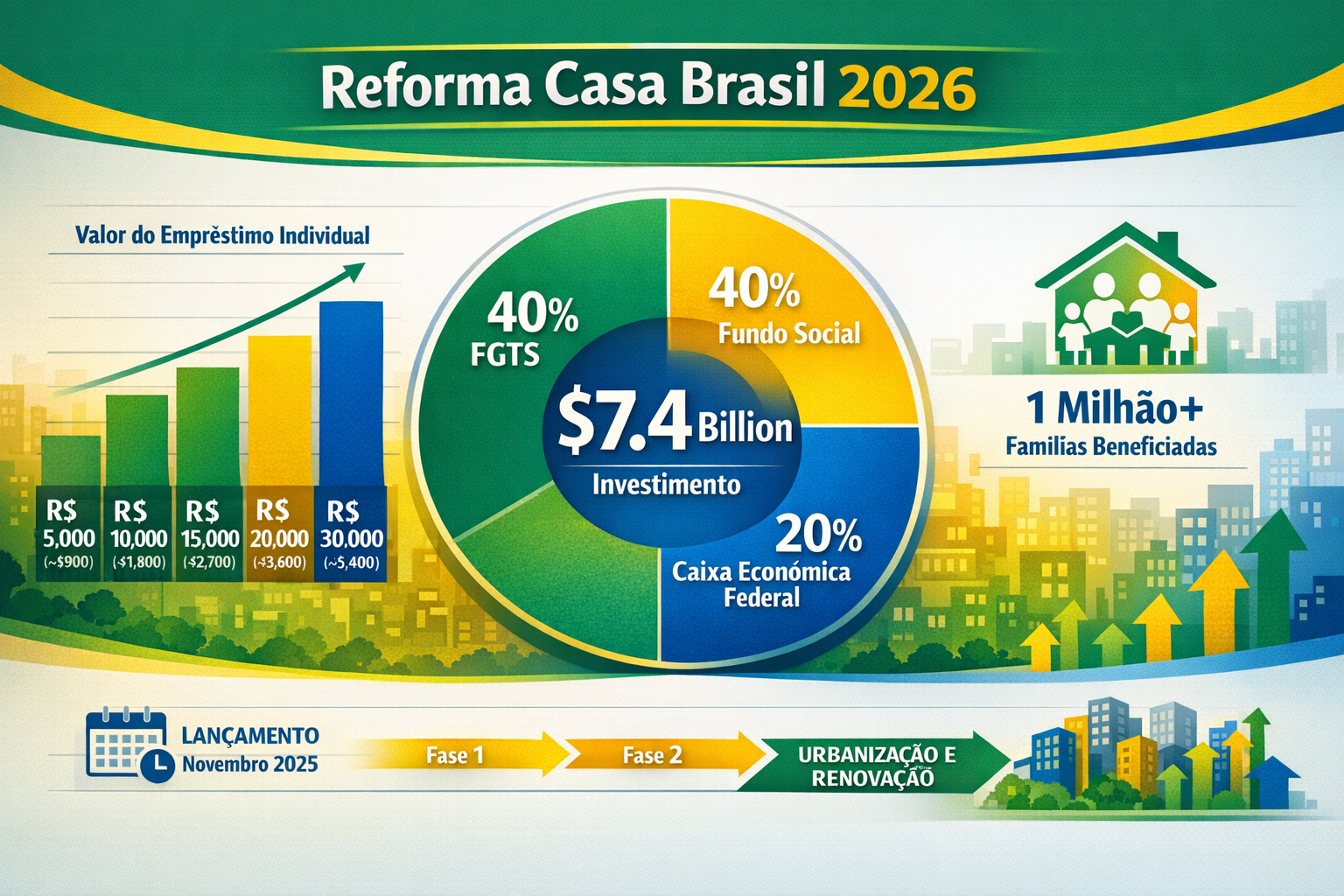
Eligible families can access individual loans between R$5,000 and R$30,000 (approximately $930–$5,590 USD) with repayment terms chosen by borrowers [3]. This flexible structure accommodates different renovation scopes and household financial capacities. The digital contracting process through Caixa’s website streamlines application and approval, reducing administrative friction that historically plagued government housing programs.
As of March 2026, values for public consultation were authorized through Caixa’s systems, enabling eligible families to check loan eligibility and amounts in real-time [4]. This transparency represents a significant operational improvement over previous housing initiatives, where eligibility confusion often delayed implementation.
For developers and construction firms, understanding this beneficiary profile is crucial. The target market consists of urban families needing housing improvements—households living in existing structures requiring upgrades rather than new homebuyers. This shifts the business model from large-scale residential development to distributed renovation projects across established neighborhoods.
How Reforma Casa Brasil 2026 Creates Urban Infill Development Opportunities
Eligible Improvement Categories and Market Niches
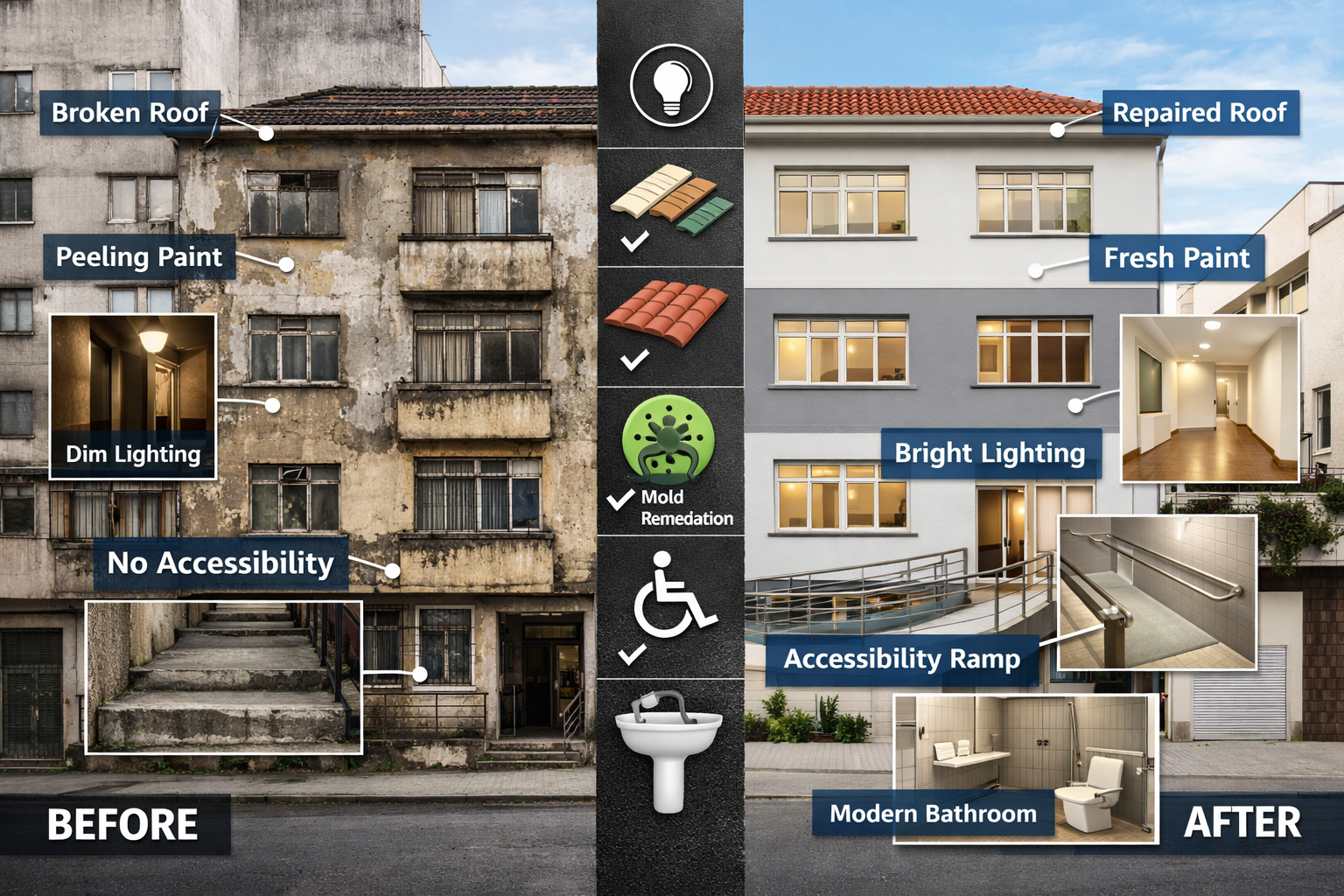
The program finances a comprehensive range of improvements that create distinct market opportunities [7]:
- ⚡ Lighting systems: Electrical upgrades, modern fixtures, energy-efficient installations
- 🏠 Flooring: Tile replacement, hardwood installation, moisture-resistant materials
- 🏗️ Roofing: Leak repairs, structural reinforcement, thermal insulation
- 🦠 Mold remediation: Moisture control, ventilation improvements, health hazard elimination
- ♿ Accessibility modifications: Ramps, wider doorways, bathroom safety features
- 🚿 Bathroom improvements: Plumbing upgrades, fixture replacement, waterproofing
Each category represents a specialized niche where contractors and suppliers can position themselves. The mold remediation segment, for example, addresses a widespread health concern in Brazil’s humid climate zones, creating demand for specialized environmental remediation services. Similarly, accessibility modifications align with Brazil’s aging demographic trends and disability inclusion policies, representing a growth market beyond this specific program.
Smart developers are recognizing that these improvement categories often require integrated solutions rather than isolated repairs. A bathroom renovation might necessitate electrical upgrades, mold remediation, and accessibility features—creating opportunities for full-service contractors who can manage multi-category projects efficiently.
Strategic Partnerships with Caixa Econômica Federal
The government formalized Cooperation Technical Agreements in March 2026 between the Ministry of Cities, Caixa Econômica Federal, and professional councils including CAU (Architecture and Urbanism Council), CFT (Technical Council), and CONFEA (Federal Council of Engineering and Agronomy) [6]. These partnerships establish quality standards and technical oversight mechanisms that protect both beneficiaries and contractors.
For developers, these institutional relationships offer several advantages:
- Pre-qualified project pipelines: Caixa’s beneficiary database provides market intelligence on renovation demand by neighborhood
- Standardized technical specifications: Professional council involvement creates consistent quality benchmarks
- Payment security: Government-backed financing reduces payment default risks compared to private renovation contracts
- Regulatory clarity: Formalized agreements streamline permitting and inspection processes
Developers exploring investment opportunities in Brazil’s property market should consider how Reforma Casa Brasil creates entry points beyond traditional new construction. The program essentially de-risks renovation projects by providing financing, technical standards, and institutional support—elements typically absent in fragmented renovation markets.
Mid-Market Infill Projects Amid High Construction Costs
Brazil’s construction sector faces significant cost pressures in 2026, with material prices and labor costs elevated compared to historical averages [1]. These conditions make traditional greenfield residential development financially challenging, particularly in urban cores where land acquisition costs remain high.
The Reforma Casa Brasil 2026: $7.4B Renovation Wave Driving Urban Infill Development Opportunities shifts the economic equation by focusing investment on existing structures. Renovation projects typically require lower capital outlays than ground-up construction while delivering comparable or superior returns when properly executed. The government subsidy component further improves project economics by reducing financing costs for end users, which expands the addressable market.
Mid-market infill strategies become particularly attractive under this program. Developers can identify underutilized urban properties in established neighborhoods, acquire them at reasonable prices, and leverage Reforma Casa Brasil financing to execute comprehensive renovations that transform property values. This approach offers several advantages:
- Reduced construction timelines compared to new development
- Existing infrastructure (utilities, roads, public services) already in place
- Established neighborhoods with proven demand and community character
- Lower regulatory barriers than new construction in many municipalities
The program’s timing during an election year creates additional urgency [1]. Government housing initiatives typically accelerate during electoral cycles as administrations seek to demonstrate tangible results. This political dynamic suggests that 2026 may offer optimal conditions for developers to establish Reforma Casa Brasil partnerships and project pipelines before potential policy shifts in subsequent years.
Implementation Progress and Market Acceleration in 2026
Official Launch Timeline and Deployment Phases
The program was formally launched in November 2025 and held its inaugural national forum (I Encontro do Programa Reforma Casa Brasil) on March 24, 2026, marking the program’s official entry into implementation phases [6]. This relatively compressed timeline from announcement to activation demonstrates government commitment to rapid deployment.
As of late March 2026, the broader housing program ecosystem delivered 2,200 additional homes, demonstrating ongoing construction acceleration across government initiatives [2]. While these figures represent new construction under MCMV rather than Reforma Casa Brasil renovations specifically, they indicate the operational capacity and momentum within Caixa Econômica Federal’s housing program administration.
For developers and contractors, understanding these deployment phases is critical for market entry timing:
| Phase | Timeline | Key Activities | Developer Opportunities |
|---|---|---|---|
| Launch | Nov 2025 | Program announcement, policy framework | Market research, partnership exploration |
| Authorization | March 2026 | Caixa system activation, beneficiary consultation | Pre-qualification, technical capacity building |
| Implementation | Q2-Q4 2026 | Mass beneficiary enrollment, project execution | Contract acquisition, supply chain positioning |
| Acceleration | 2027+ | Scale operations, program refinement | Portfolio expansion, specialized services |
The current authorization phase represents an optimal window for developers to establish relationships with Caixa, understand beneficiary concentrations by geography, and develop technical capabilities aligned with program requirements. Those who position early can capture market share before competition intensifies.
Integration with Broader Housing Policy Ecosystem
Reforma Casa Brasil doesn’t operate in isolation—it’s part of a comprehensive housing policy that includes the much larger Minha Casa, Minha Vida program [1]. This integration creates synergies for developers operating across multiple program segments.
For instance, developers active in Florianópolis’s real estate market can leverage MCMV for new construction projects while simultaneously pursuing Reforma Casa Brasil opportunities in existing urban neighborhoods. This diversified approach reduces exposure to any single program’s implementation challenges while maximizing access to government-subsidized demand.
The $39.8 billion total investment commitment across both programs during 2026 [1] represents unprecedented capital deployment in Brazil’s housing sector. This scale creates ripple effects throughout construction supply chains, professional services, and related industries. Developers who understand how to navigate both programs can position themselves as comprehensive housing solution providers rather than narrow specialists.
Strategic Opportunities for Developers and Real Estate Professionals
Partnering with Caixa for Project Pipelines
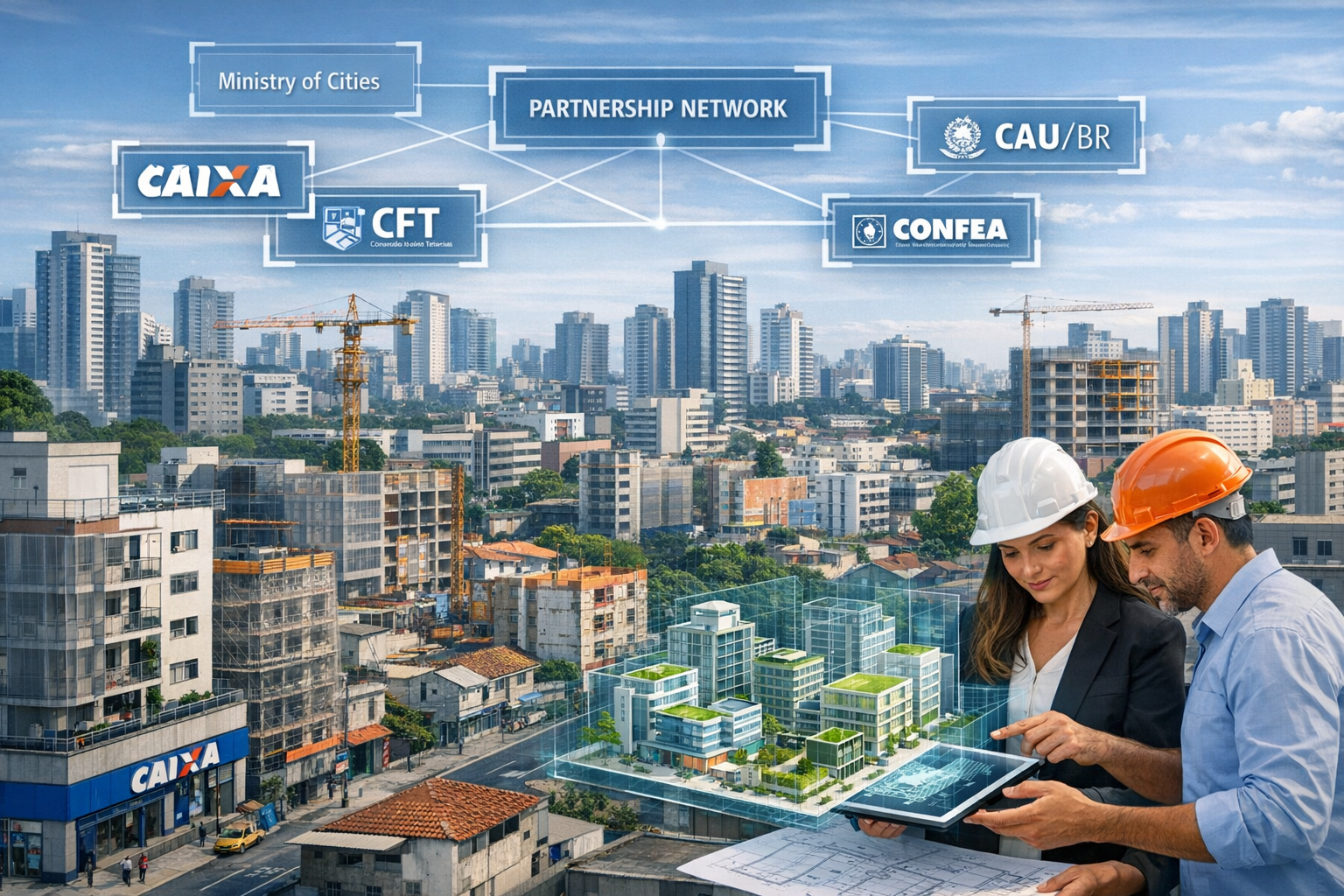
Caixa Econômica Federal serves as the primary implementing institution for Reforma Casa Brasil, managing beneficiary enrollment, loan processing, and payment disbursement. For developers, establishing formal partnerships with Caixa offers several strategic advantages:
Direct access to beneficiary data: Understanding where eligible families are concentrated geographically enables targeted market entry and resource allocation.
Preferred contractor status: Developers who meet Caixa’s technical and financial qualifications may receive referrals or priority consideration for beneficiary projects.
Streamlined payment processes: Formalized relationships reduce administrative friction and payment delays common in government-funded construction.
Technical support: Caixa’s engineering and architecture teams can provide guidance on program requirements and quality standards.
Developers interested in these partnerships should focus on demonstrating technical capacity, financial stability, and social impact alignment. The program’s emphasis on serving low- and middle-income families means that Caixa prioritizes partners committed to quality delivery rather than profit maximization alone.
Renovation-Focused Business Models vs. New Construction
The Reforma Casa Brasil 2026: $7.4B Renovation Wave Driving Urban Infill Development Opportunities requires developers to adapt business models designed for new construction to the distinct dynamics of renovation projects. Key differences include:
Project scale: Renovation projects typically involve individual homes or small multi-unit buildings rather than large residential developments.
Scope variability: Each property requires customized assessment and planning based on existing conditions and beneficiary priorities.
Execution complexity: Working within occupied structures presents logistical challenges absent in greenfield construction.
Timeline compression: Beneficiaries expect faster completion than new construction, requiring efficient project management.
Successful renovation-focused developers are adopting standardized assessment protocols, modular solution packages, and specialized trade partnerships to manage this complexity efficiently. For example, creating tiered renovation packages (basic, standard, premium) aligned with different loan amounts allows faster scoping and pricing while maintaining customization flexibility.
Developers with experience in property valuation and investment analysis can apply these skills to identify properties where Reforma Casa Brasil-funded improvements will generate maximum value appreciation. This creates opportunities for acquisition-renovation-resale strategies in addition to direct contractor relationships with beneficiaries.
Geographic Targeting and Neighborhood Selection
Not all urban neighborhoods offer equal opportunities under Reforma Casa Brasil. Strategic developers are analyzing several factors to identify optimal geographic targets:
Beneficiary concentration: Areas with high densities of eligible low- and middle-income families offer economies of scale.
Property conditions: Neighborhoods with aging housing stock requiring comprehensive improvements provide larger project scopes.
Infrastructure quality: Areas with good public services and transportation access offer better long-term value appreciation potential.
Regulatory environment: Municipalities with streamlined permitting and supportive housing policies reduce project risks.
Market dynamics: Neighborhoods experiencing gentrification or revitalization trends offer opportunities to capture value beyond program financing.
Cities like Florianópolis, with their combination of growing populations, aging housing stock in central areas, and strong real estate fundamentals, represent particularly attractive markets for Reforma Casa Brasil strategies. Developers can leverage local market knowledge to identify specific neighborhoods where program-funded renovations will catalyze broader property value increases.
Navigating Challenges and Risk Mitigation Strategies
Regulatory Compliance and Technical Standards
The involvement of professional councils (CAU, CFT, CONFEA) in Reforma Casa Brasil creates robust quality oversight but also imposes compliance requirements [6]. Developers must ensure that renovation projects meet:
- Building code standards for structural, electrical, and plumbing work
- Accessibility regulations per Brazilian disability inclusion laws
- Environmental standards for mold remediation and material selection
- Professional licensing requirements for technical staff and subcontractors
Non-compliance risks project rejection, payment delays, or disqualification from future program participation. Smart developers are investing in compliance management systems, professional training, and quality assurance protocols to minimize these risks.
Managing Beneficiary Expectations and Communication
Unlike traditional developer-buyer relationships, Reforma Casa Brasil projects involve government-subsidized beneficiaries who may have limited construction knowledge or unrealistic expectations about project scope. Effective developers are implementing:
Transparent scoping processes: Detailed initial assessments that clearly define what loan amounts will cover
Visual communication tools: Before-and-after renderings, material samples, and reference projects that set realistic expectations
Milestone-based updates: Regular communication during construction to maintain beneficiary engagement and satisfaction
Post-completion support: Warranty programs and maintenance guidance that build reputation and referral networks
These relationship management practices become competitive differentiators as beneficiaries share experiences within their communities and influence others’ contractor selection decisions.
Supply Chain Optimization in High-Cost Environment
Brazil’s elevated construction material costs in 2026 [1] require careful supply chain management to maintain project profitability. Successful developers are:
- Negotiating volume purchase agreements with material suppliers across multiple projects
- Standardizing material specifications to leverage economies of scale
- Building strategic inventory of long-lead-time items to avoid project delays
- Developing alternative supplier relationships to reduce dependency and cost volatility
Developers who master supply chain optimization can deliver higher-quality renovations within program loan limits while maintaining healthy margins—a competitive advantage that drives market share growth.
Long-Term Implications for Brazil’s Urban Development Landscape
Shift from Greenfield to Urban Renewal Investment
The Reforma Casa Brasil 2026: $7.4B Renovation Wave Driving Urban Infill Development Opportunities signals a broader policy shift toward urban renewal over suburban expansion. This has profound implications for Brazil’s development patterns:
Urban densification: Investment in existing neighborhoods supports compact city models rather than sprawl
Infrastructure efficiency: Renovating existing housing maximizes returns on established infrastructure investments
Neighborhood stability: Improvement programs help existing residents remain in place rather than displacing them through gentrification
Environmental benefits: Renovation typically has lower carbon footprint than new construction
Developers who anticipate this long-term policy direction can position themselves as urban renewal specialists rather than traditional residential developers. This expertise will likely become increasingly valuable as Brazil’s major cities prioritize infill development and neighborhood revitalization.
Impact on Construction Sector Employment and Skills
The program’s scale—targeting over 1 million families [3]—creates substantial employment opportunities across construction trades. However, renovation work requires different skill sets than new construction:
- Diagnostic capabilities: Assessing existing conditions and identifying hidden problems
- Adaptive problem-solving: Working within constraints of existing structures
- Occupied-space protocols: Minimizing disruption to residents during construction
- Historic preservation techniques: Maintaining architectural character in older neighborhoods
Developers investing in workforce training programs aligned with these renovation-specific skills will build competitive advantages. Partnerships with technical schools and professional training organizations can create talent pipelines that support business growth while contributing to broader workforce development objectives.
Creating Sustainable Business Models Beyond Program Duration
While Reforma Casa Brasil represents a significant 2026 opportunity, smart developers are building business models that extend beyond this specific program. Strategies include:
Building brand equity: Establishing reputation for quality renovation work that generates private-pay referrals
Diversifying service offerings: Expanding into related services like property management, energy efficiency upgrades, or smart home installations
Developing proprietary methodologies: Creating standardized renovation processes that can be licensed or franchised
Accumulating property portfolios: Acquiring and renovating properties for rental or resale using program learnings
These approaches transform Reforma Casa Brasil from a temporary opportunity into a foundation for long-term business growth in Brazil’s evolving real estate market.
Conclusion
The Reforma Casa Brasil 2026: $7.4B Renovation Wave Driving Urban Infill Development Opportunities represents a transformative moment for Brazil’s housing sector and urban development landscape. With $7.4 billion in dedicated funding, over 1 million eligible families, and comprehensive institutional support through Caixa Econômica Federal and professional councils, this program creates unprecedented opportunities for developers, contractors, and real estate professionals willing to adapt their business models to renovation-focused strategies.
The program’s timing during an election year, integration with the broader MCMV ecosystem, and below-market financing structure create favorable conditions for rapid market entry and growth. Developers who establish Caixa partnerships, build renovation-specific capabilities, and target optimal geographic markets can capture significant market share while contributing to Brazil’s urban renewal and housing equity objectives.
Beyond immediate 2026 opportunities, Reforma Casa Brasil signals a long-term policy shift toward urban infill development over greenfield expansion. This evolution favors developers who invest in renovation expertise, workforce development, and sustainable business models that extend beyond any single government program.
Actionable Next Steps
For developers and real estate professionals looking to capitalize on these opportunities:
- Initiate Caixa partnerships: Contact regional Caixa offices to understand partnership requirements and beneficiary concentrations
- Conduct market analysis: Identify target neighborhoods with optimal beneficiary density, property conditions, and value appreciation potential
- Build technical capacity: Invest in renovation-specific training, quality systems, and professional certifications
- Develop standardized offerings: Create tiered renovation packages aligned with program loan amounts
- Establish supply chain relationships: Negotiate volume agreements and alternative supplier options to manage cost pressures
- Monitor implementation progress: Track program deployment, regulatory updates, and market competition dynamics
The renovation wave is here. The question is not whether to participate, but how strategically to position for maximum impact in Brazil’s evolving urban development landscape. Those who act decisively in 2026 will establish competitive advantages that compound over subsequent years as urban renewal becomes increasingly central to Brazil’s housing policy framework.
For developers interested in exploring how these trends intersect with specific regional opportunities, consider reviewing market dynamics in high-growth areas and understanding investment strategies for emerging property segments. The convergence of government programs, market conditions, and urban development trends creates a unique window for strategic positioning that may not persist indefinitely.
References
[1] Brazils Construction Sector 2026 Housing Programs Support Rates High Risks Persist – https://www.fastmarkets.com/insights/brazils-construction-sector-2026-housing-programs-support-rates-high-risks-persist/
[2] Watch – https://www.youtube.com/watch?v=fhDESFUyWms
[3] Government Launches Casa Brasil Renovation With R$40 Billion Investment. More Than 1 Million Families Will Have Up To R$30 To Repair Homes. Ctl01 – https://en.clickpetroleoegas.com.br/Government-launches-Casa-Brasil-renovation-with-R$40-billion-investment.-More-than-1-million-families-will-have-up-to-R$30-to-repair-homes.-ctl01/
[4] Watch – https://www.youtube.com/watch?v=TJI8x9H4o9U
[6] Watch – https://www.youtube.com/watch?v=4kII42xRRE4
[7] Watch – https://www.youtube.com/watch?v=ydZ-ce4W7mM