
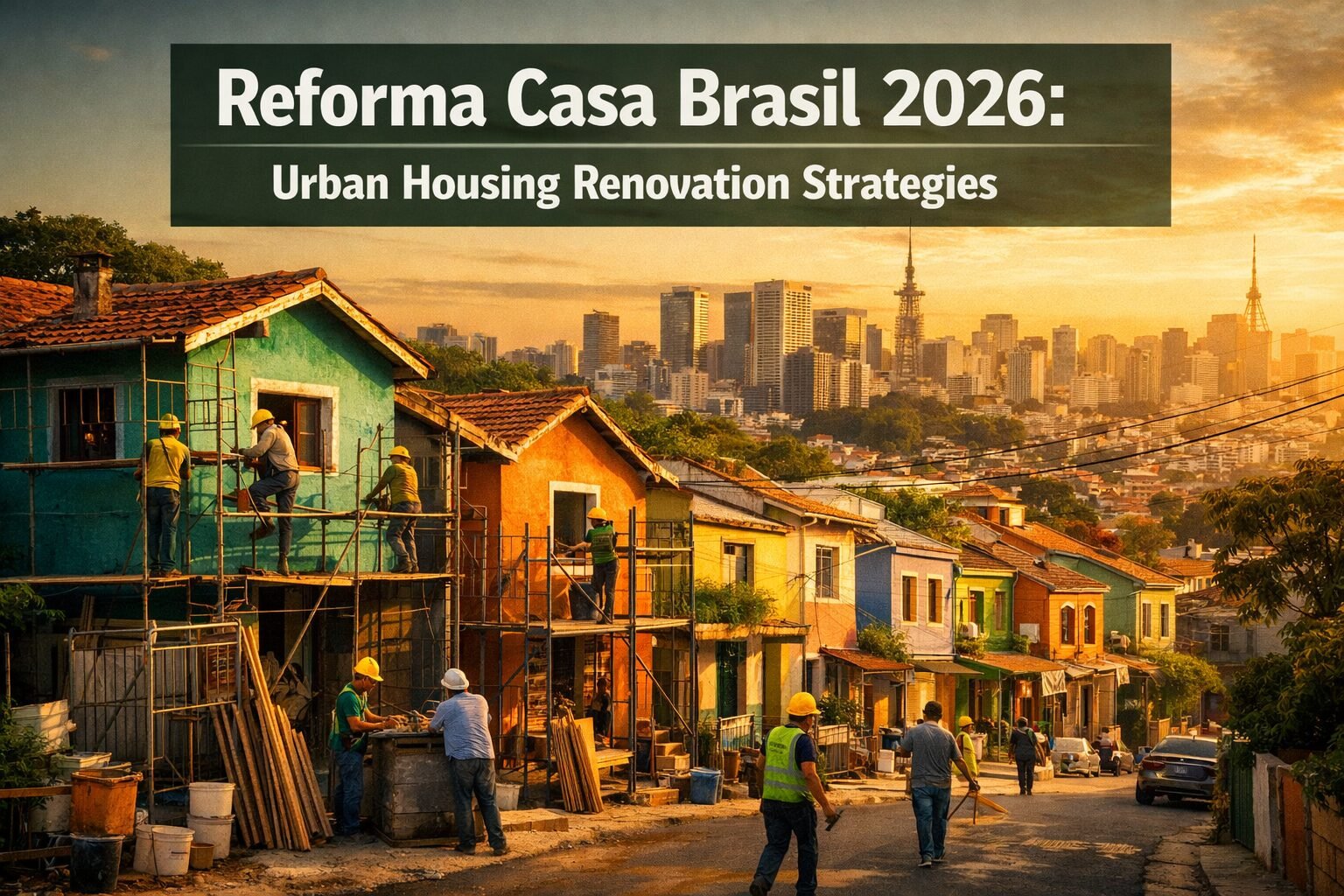
Brazil’s qualitative housing deficit affects an estimated 24 million homes — structures that exist but are unsafe, inadequate, or structurally compromised. This staggering figure is precisely the problem that Reforma Casa Brasil 2026: Renovation Strategies for Urban Housing Upgrades in Brazil’s Election Year has moved to address, with the federal government deploying R$ 40 billion in housing credit to transform existing urban stock rather than simply build new units. For developers, investors, and families alike, understanding how to navigate this program in 2026 — an election year charged with political momentum — could be the difference between a missed opportunity and a strategic windfall.
Key Takeaways 📌
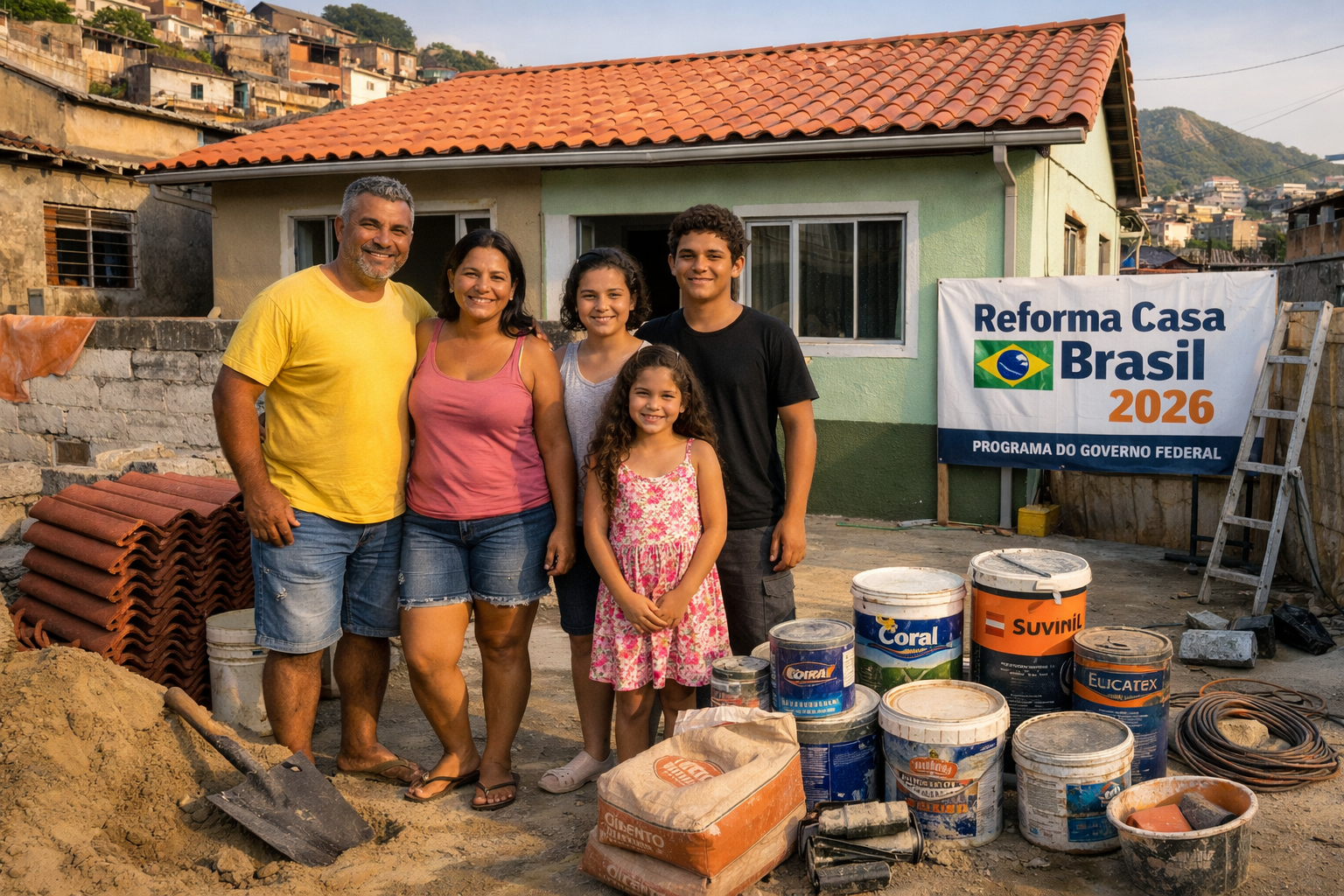
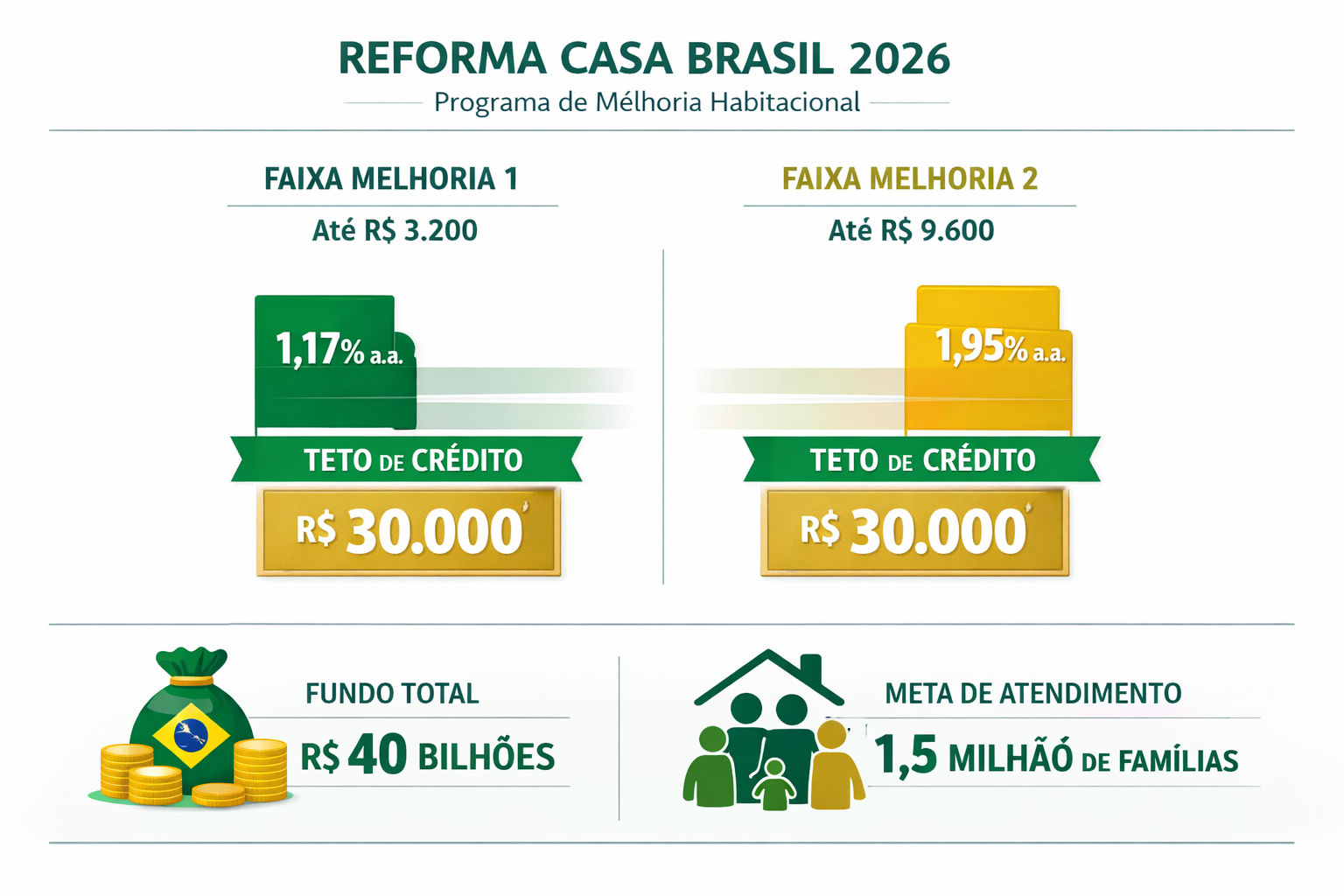
- R$ 40 billion in total housing credit has been allocated under Reforma Casa Brasil, targeting 1.5 million families by 2026 [1]
- The program operates under two income brackets, with interest rates as low as 1.17% per month for lower-income families [1]
- Each eligible family can access a credit letter of up to R$ 30,000, covering up to 50% of the property’s appraised value [1][5]
- Urban homeowners across all Brazilian states are eligible, with priority given to CadÚnico-registered families [1]
- Developers and investors can leverage the program to unlock renovation pipelines in high-density metros like São Paulo and Rio de Janeiro
What Is Reforma Casa Brasil and Why Does It Matter in 2026?
Launched officially on November 3, 2025, Reforma Casa Brasil is a federal housing improvement initiative embedded within the restructured Minha Casa, Minha Vida (MCMV) framework [1]. Unlike traditional MCMV phases that focused on new construction, this program targets families who already own homes but live in structurally deficient conditions — leaking roofs, chronic mold, crumbling walls, or structures at risk of collapse [1].
The timing is deliberate. With Brazil’s 2026 municipal and federal election cycle creating intense competition for social program visibility, the Lula administration has positioned Reforma Casa Brasil as a flagship welfare-to-infrastructure bridge. The political logic is straightforward: improving existing homes is faster, cheaper per unit, and more visible than greenfield construction.
💬 “The program attacks the qualitative deficit — not the absence of housing, but the inadequacy of what already exists.” — Federal Ministry of Cities [5]
The funding structure reflects this ambition:
- R$ 30 billion sourced from the Social Fund (backed largely by oil royalties)
- R$ 10 billion from the Brazilian Savings and Loan System (SBPE) [1]
This dual-source model reduces dependency on fiscal transfers, making the program more resilient to budget cuts — a critical feature in a high Selic rate environment where government borrowing costs remain elevated.
Understanding the Program’s Income Brackets and Credit Terms
Reforma Casa Brasil 2026: Renovation Strategies for Urban Housing Upgrades in Brazil’s Election Year operates through a two-tier income bracket system designed to serve a broad slice of Brazil’s urban population [1].
Faixa Melhoria 1 — Lower-Income Families
| Feature | Detail |
|---|---|
| Monthly income ceiling | Up to R$ 3,200 |
| Interest rate | 1.17% per month (subsidized by Social Fund) |
| Minimum credit | R$ 5,000 |
| Maximum credit | R$ 30,000 |
| Priority status | CadÚnico-registered families |
Faixa Melhoria 2 — Middle-Income Families
| Feature | Detail |
|---|---|
| Monthly income ceiling | R$ 3,200 to R$ 9,600 |
| Interest rate | 1.95% per month (covered by SBPE) |
| Minimum credit | R$ 5,000 |
| Maximum credit | R$ 30,000 |
| Credit ceiling | Up to 50% of appraised property value |
[1][5]
The CadÚnico priority clause is strategically important. Families already registered in Brazil’s unified social registry gain faster processing, reduced documentation requirements, and access to the deepest subsidies. For developers and renovation contractors targeting this demographic, aligning service offerings with CadÚnico-eligible neighborhoods creates a ready-made demand pipeline [3].
Financing can reach up to 50% of the property’s appraised value, which means a home appraised at R$ 60,000 could unlock the full R$ 30,000 ceiling — a meaningful renovation budget in secondary urban markets [5].
Renovation Strategies for Urban Housing Upgrades: Where to Focus Investment
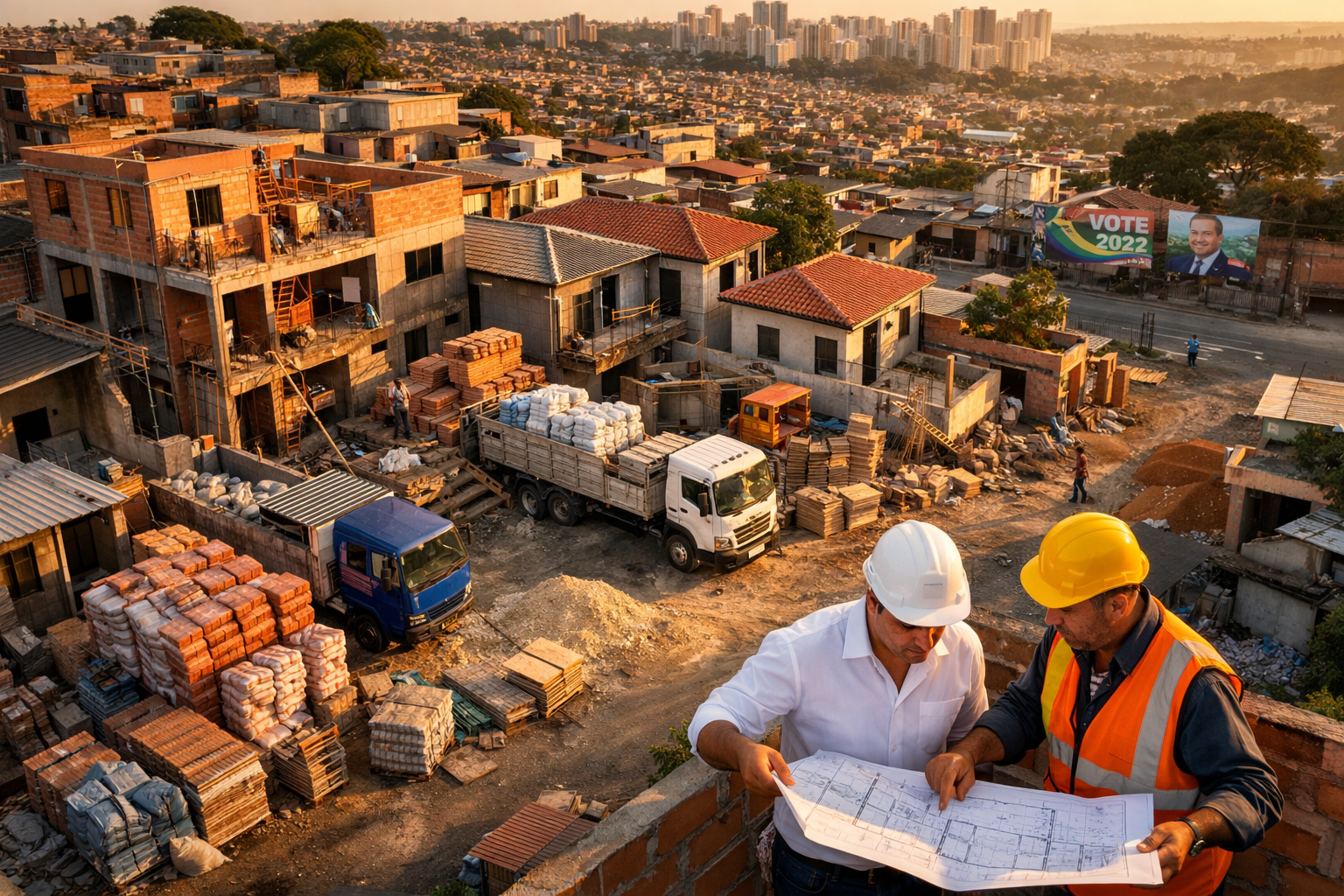
With billions now flowing into existing urban stock, smart allocation of renovation resources becomes critical. Reforma Casa Brasil 2026: Renovation Strategies for Urban Housing Upgrades in Brazil’s Election Year creates distinct opportunities across several renovation categories.
🏠 Priority Renovation Categories
The program explicitly targets homes with:
- Roof damage — water infiltration, broken tiles, structural weakness
- Chronic mold and dampness — affecting respiratory health and structural integrity
- Electrical and plumbing deficiencies — outdated systems creating safety risks
- Foundation and wall instability — collapse risk classifications [1]
For renovation contractors and developers, this creates a clear service specialization map. Roofing and waterproofing firms, electrical upgrade specialists, and structural reinforcement contractors are positioned as primary beneficiaries of the program’s demand surge.
📍 Geographic Concentration: Metros with Highest Impact
While the program covers all urban areas nationally [5], the highest concentration of eligible homes clusters in:
- São Paulo metropolitan region — largest urban housing deficit by volume
- Rio de Janeiro — high density of aging informal and semi-formal housing stock
- Recife and Fortaleza — Northeast cities with significant CadÚnico populations
- Belém — hosting COP30 in 2025, with urban renewal as a political priority
Developers and investors exploring the best places to invest in Brazilian property should note that Reforma Casa Brasil creates a secondary investment thesis: neighborhoods receiving renovation credit tend to see property value appreciation within 18–36 months, as improved housing stock elevates the local baseline.
🔧 Supply Chain Tactics for Renovation Developers
High Selic rates (currently above 13%) compress margins on new construction financing. Reforma Casa Brasil flips this dynamic for renovation-focused developers by offering below-market credit to end users rather than to developers directly. This means:
- Demand is pre-financed — families arrive with credit letters, reducing developer receivables risk
- Project scale is smaller — R$ 5,000–R$ 30,000 tickets favor agile, modular contractors over large construction firms
- Material procurement matters — bulk purchasing agreements with suppliers of roofing tiles, waterproofing membranes, and electrical components can compress costs by 15–25%
- Labor efficiency is key — standardized renovation packages (e.g., “roof + waterproofing bundle”) reduce per-unit labor time and improve yield per team
For developers tracking advances in construction project execution, the lessons from accelerated build timelines apply directly to renovation pipeline management.
The Election Year Factor: Political Risk and Opportunity
Brazil’s 2026 electoral calendar creates a dual dynamic for the housing renovation sector. On one hand, program continuity risk exists — a change in federal administration could redirect or restructure MCMV-linked initiatives. On the other hand, the election year creates accelerated disbursement pressure, as the current administration has strong incentives to maximize visible program delivery before October 2026 voting.
What This Means Practically
- Approval timelines may compress in H1 2026 as ministries push to hit the 1.5 million family target [1]
- Municipal governments in competitive electoral districts may add complementary local subsidies
- Media visibility of the program increases renovation awareness among eligible families, reducing marketing costs for contractors
💬 “Election years in Brazil historically correlate with accelerated social program disbursements — renovation contractors who position early capture the demand surge before competition intensifies.”
The construction sector as a whole stands to benefit significantly. Industry analysts note that programs like Reforma Casa Brasil can generate multiplier effects of 1.5x to 2x in local economies, as renovation spending circulates through material suppliers, labor markets, and ancillary services [8].
Yield Projections and Investment Considerations for Developers
For real estate developers evaluating whether to pivot resources toward the renovation market, the yield calculus under Reforma Casa Brasil deserves careful analysis.
📊 Estimated Yield Scenarios
| Scenario | Average Ticket | Units/Month | Monthly Revenue | Net Margin (est.) |
|---|---|---|---|---|
| Small contractor | R$ 15,000 | 8 | R$ 120,000 | 18–22% |
| Mid-size developer | R$ 25,000 | 25 | R$ 625,000 | 14–18% |
| Integrated firm | R$ 28,000 | 60 | R$ 1,680,000 | 12–16% |
Estimates based on program credit parameters and industry benchmarks. Actual results vary by region and operational efficiency.
These margins compare favorably with new construction in a high-Selic environment, where financing costs erode developer returns. Investors interested in understanding property valuation dynamics in Brazil’s real estate market will recognize that renovation-driven value uplift compounds with broader market appreciation trends.
🏗️ Integration with New Development Projects
Developers active in growth markets like Florianópolis — where the real estate market has shown strong upward momentum — can use Reforma Casa Brasil as a complementary revenue stream. While new developments target the upper-middle market, renovation contracts under the program serve the mass-market segment, diversifying revenue and reducing exposure to interest rate cycles.
The program also creates data intelligence value: developers who execute renovation projects in target neighborhoods gain granular insight into local housing stock conditions, ownership patterns, and upgrade demand — intelligence that informs future land acquisition and development decisions.
How to Access Reforma Casa Brasil: A Step-by-Step Guide for Families and Contractors
For Eligible Families 👨👩👧
- Verify eligibility — confirm monthly household income falls within Faixa 1 (up to R$ 3,200) or Faixa 2 (up to R$ 9,600)
- Check CadÚnico registration — priority processing for registered families; register at local CRAS if not yet enrolled
- Document property ownership — formal title or regularized possession documentation required
- Contact a participating financial institution — Caixa Econômica Federal is the primary operator
- Request property appraisal — credit ceiling is tied to 50% of appraised value [5]
- Receive credit letter — funds disbursed directly to contracted renovation service provider
For Renovation Contractors and Developers 🔨
- Register as an approved service provider with Caixa Econômica Federal
- Develop standardized renovation packages aligned with the program’s priority categories (roofing, waterproofing, electrical, structural)
- Build neighborhood-level demand maps — identify CadÚnico-dense areas with high housing deficit concentration
- Establish material supply agreements — bulk purchasing reduces cost per unit and improves delivery timelines
- Train teams on documentation requirements — program compliance involves photo documentation, technical reports, and completion certificates
For developers looking to explore new market opportunities, browsing current development projects can provide benchmarks for quality standards applicable to renovation work as well.
Challenges and Risk Factors to Monitor
No program of this scale operates without friction. Key risks for participants in 2026 include:
- ⚠️ Bureaucratic bottlenecks — Caixa Econômica Federal’s processing capacity may lag behind demand surges, particularly in H1 2026
- ⚠️ Material cost inflation — construction input prices remain volatile; fixed-price renovation contracts carry margin risk
- ⚠️ Post-election policy uncertainty — program structure may be revised depending on October 2026 electoral outcomes
- ⚠️ Fraud and compliance risk — programs with large credit pools attract fraudulent claims; contractors must maintain rigorous documentation
- ⚠️ Appraisal variability — property valuations in informal urban areas can be inconsistent, affecting credit ceiling calculations [3]
Developers and investors tracking broader market performance trends should build scenario planning into their Reforma Casa Brasil strategies, accounting for both accelerated and delayed disbursement timelines.
Conclusion: Actionable Next Steps for 2026
Reforma Casa Brasil 2026: Renovation Strategies for Urban Housing Upgrades in Brazil’s Election Year represents one of the most significant housing policy deployments in Brazil’s recent history — not because it builds new homes, but because it finally addresses the quality crisis within existing urban stock. With R$ 40 billion in committed credit, 1.5 million families in scope, and political momentum driving accelerated delivery, the opportunity window for developers, contractors, and investors is both real and time-sensitive [1][5].
✅ Immediate Action Items
- Assess your geographic positioning — identify whether your current or target markets overlap with high-deficit urban zones eligible under the program
- Register with Caixa Econômica Federal as an approved renovation service provider before the H1 2026 demand surge
- Develop standardized renovation packages in the R$ 15,000–R$ 28,000 range to maximize throughput and margin
- Build CadÚnico neighborhood maps to target marketing efforts efficiently
- Hedge material costs through forward purchasing agreements with key suppliers
- Monitor electoral developments and maintain flexible program participation structures that can adapt to post-October 2026 policy adjustments
For families, the message is equally direct: if your home has a leaking roof, mold problems, or structural concerns, 2026 is the year to act. The credit is available, the rates are subsidized, and the political will to process applications quickly has never been stronger.
The qualitative housing deficit will not be solved in a single program cycle. But Reforma Casa Brasil 2026 marks a meaningful inflection point — and those who engage strategically with its renovation strategies for urban housing upgrades will be best positioned when Brazil’s next chapter begins.
References
[1] Governo Lanca Reforma Casa Brasil Com Aporte De R 40 Bi Mais De 1 Milhao De Familias Terao Ate R 30 Mil Para Consertar Casas Ctl01 – https://en.clickpetroleoegas.com.br/governo-lanca-reforma-casa-brasil-com-aporte-de-r-40-bi-mais-de-1-milhao-de-familias-terao-ate-r-30-mil-para-consertar-casas-ctl01/
[3] Novo Programa Dara Ate R 30 Mil Em Credito Para Reforma De Casas – https://agenciabrasil.ebc.com.br/politica/noticia/2025-10/novo-programa-dara-ate-r-30-mil-em-credito-para-reforma-de-casas
[5] Noticia Mcid N 1694 – https://www.gov.br/cidades/pt-br/assuntos/noticias-1/noticia-mcid-n-1694
[8] Preforma Casa Brasil Chega Com Juros Reduzidos E Credito Facilitado Entenda Como O Programa De Lula Vai Transformar O Setor Da Construcao Civil Caes – https://en.clickpetroleoegas.com.br/preforma-casa-brasil-chega-com-juros-reduzidos-e-credito-facilitado-entenda-como-o-programa-de-lula-vai-transformar-o-setor-da-construcao-civil-caes/