
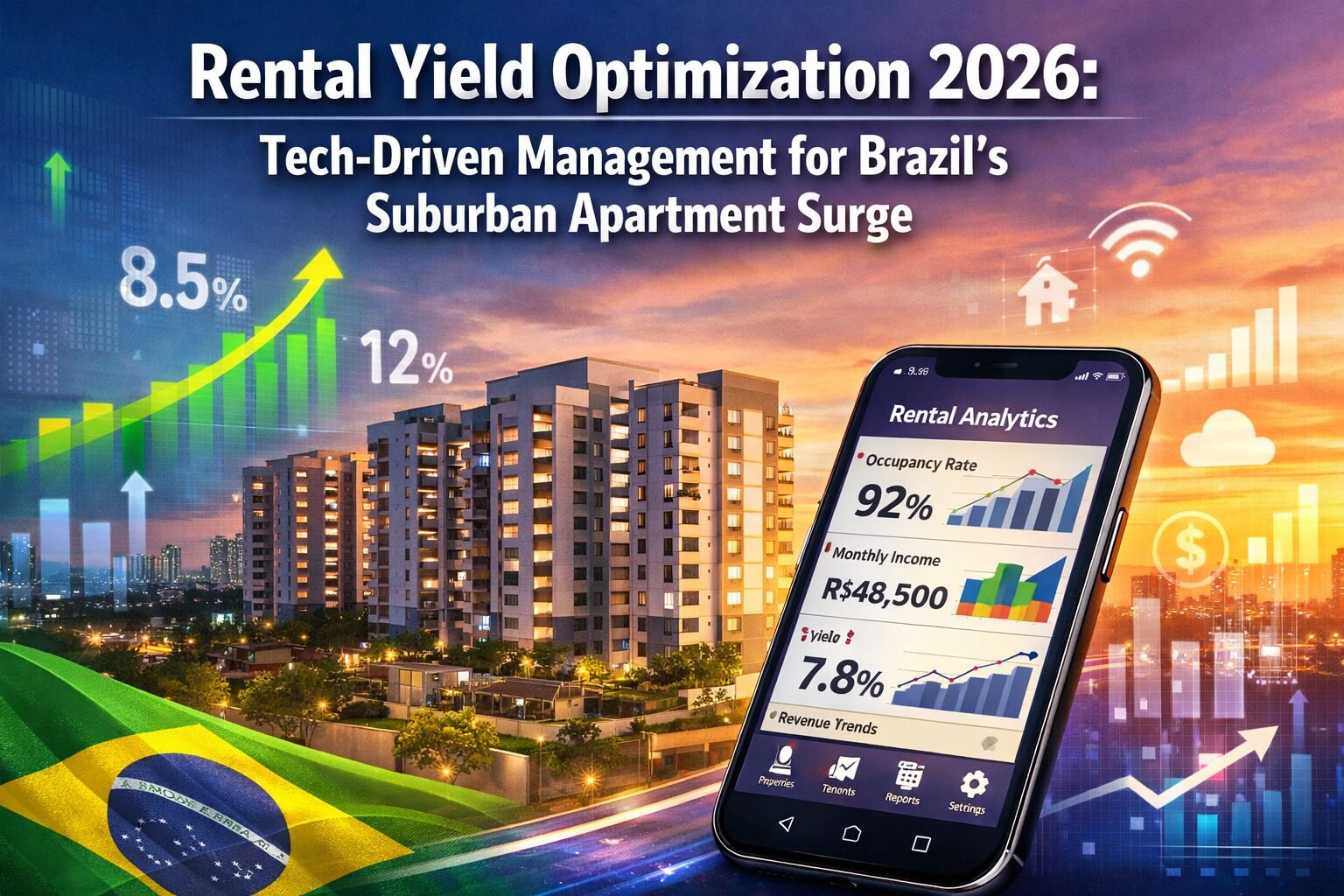
Brazil’s suburban apartment market is experiencing a remarkable transformation in 2026. With residential growth accelerating at a 5.4% compound annual growth rate (CAGR), Rental Yield Optimization 2026: Tech-Driven Management for Brazil’s Suburban Apartment Surge has become the cornerstone strategy for savvy investors. Suburban apartments are now delivering impressive 7-9% rental yields, significantly outperforming traditional urban investments. This surge is powered by innovative PropTech platforms that enable dynamic pricing, remote management, and flexible lease models designed to counter household debt challenges.
The shift toward suburban living, accelerated by changing work patterns and affordability concerns, has created unprecedented opportunities for property investors who embrace technology-driven management approaches. Understanding how to maximize returns in this evolving landscape requires a strategic blend of market knowledge, technological adoption, and responsive tenant management.
Key Takeaways
- Suburban apartments in Brazil are yielding 7-9% rental returns in 2026, outperforming traditional urban properties in major cities like São Paulo (6% gross yield) and Florianópolis (5.7% gross yield)[1][3]
- PropTech platforms enable dynamic pricing and remote management, reducing operational costs by up to 30% while maximizing occupancy rates
- Flexible lease models and payment options help counter Brazil’s household debt challenges, attracting quality tenants and reducing vacancy periods
- Strategic location selection in growing suburban markets with strong infrastructure development delivers superior long-term appreciation alongside rental income
- Technology integration is no longer optional for competitive rental yield optimization in Brazil’s rapidly evolving property market
Understanding Brazil’s Suburban Apartment Boom
The Demographic and Economic Drivers
Brazil’s suburban markets are experiencing unprecedented growth driven by several converging factors. The national average gross rental yield stands at 5.71% as of Q1 2026[4], but suburban properties are significantly outperforming this benchmark. Cities like Salvador demonstrate the potential with 7% average gross yields (5% net after costs)[2], while specialized suburban developments are pushing yields even higher.
The demographic shift toward suburban living reflects changing priorities among Brazilian families and young professionals. Affordability concerns in major urban centers, combined with improved remote work opportunities, have made suburban apartments increasingly attractive. These properties offer more space, better amenities, and lower purchase prices while maintaining connectivity to urban employment centers.
Key economic factors driving the surge include:
- Rising urban property prices pushing first-time buyers toward suburban alternatives
- Infrastructure investments improving transportation links between suburbs and city centers
- Growing middle class seeking quality housing at accessible price points
- Corporate decentralization creating employment opportunities outside traditional business districts
Regional Performance Variations
Understanding regional variations is crucial for Rental Yield Optimization 2026: Tech-Driven Management for Brazil’s Suburban Apartment Surge strategies. Different markets offer distinct advantages:
| City | Gross Yield | Net Yield | Best Performing Property Type |
|---|---|---|---|
| São Paulo | 6.0% | 4.2% | Studios & 1-bedrooms (6.5-8%)[1] |
| Salvador | 7.0% | 5.0% | Mid-range apartments[2] |
| Florianópolis | 5.7% | 3.9% | Student properties (6.5-7.5%)[3] |
| Suburban Markets | 7-9% | 5-6.3% | Modern 2-3 bedroom units |
The suburban advantage becomes clear when comparing these figures. While established urban markets like Florianópolis deliver moderate returns, strategically selected suburban properties can achieve yields approaching 9% gross, particularly when managed using technology-driven approaches.
For investors exploring Brazil’s top property investment locations, understanding these regional dynamics is essential for portfolio optimization.
PropTech Platforms: The Game-Changer for Rental Management
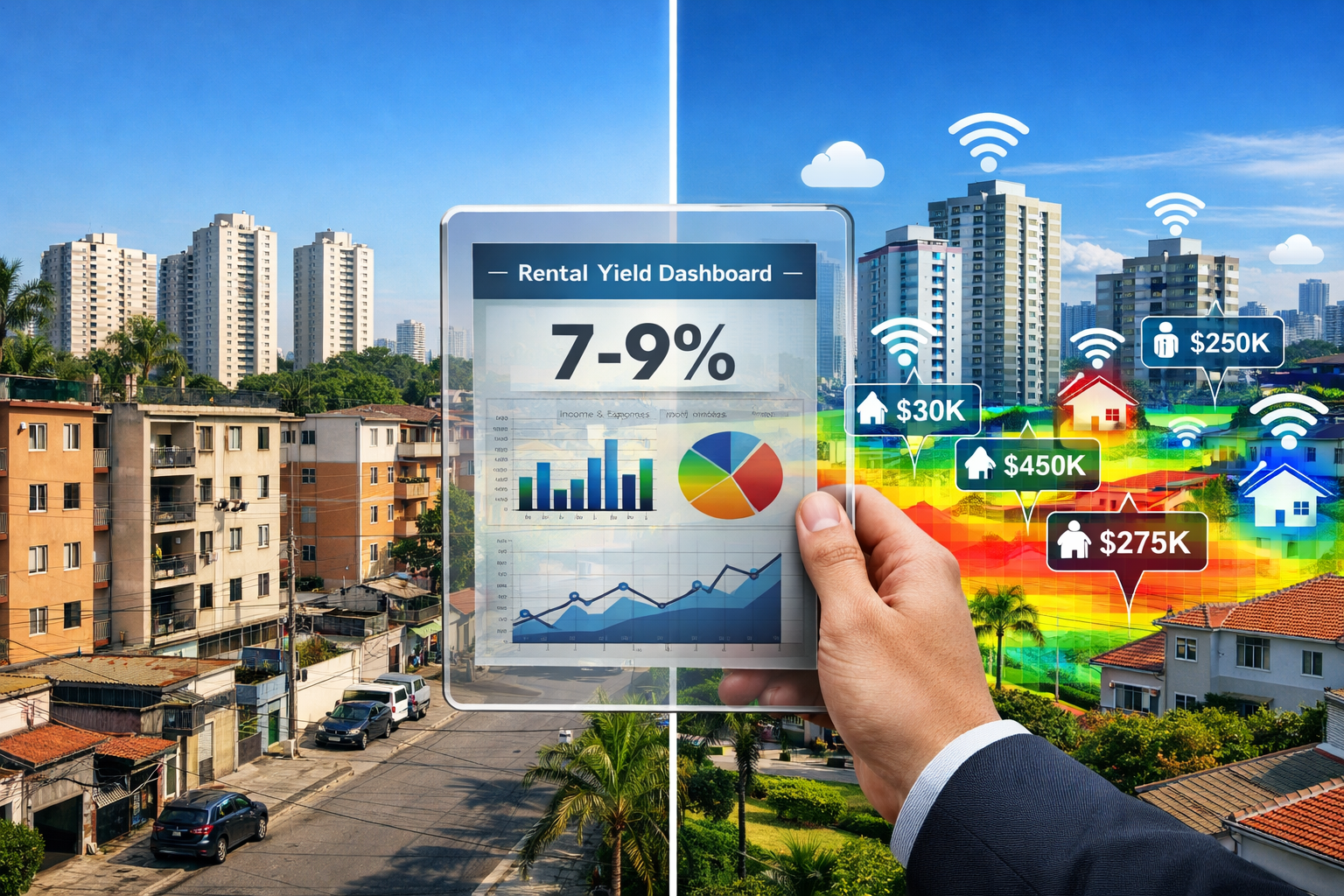
Dynamic Pricing Technology
Dynamic pricing algorithms represent one of the most powerful tools for rental yield optimization in 2026. These sophisticated systems analyze multiple data points to recommend optimal rental rates in real-time:
- Market demand fluctuations based on seasonal patterns and local events
- Competitor pricing across similar properties in the neighborhood
- Occupancy trends to balance maximum revenue with minimal vacancy
- Economic indicators including inflation rates and employment data
PropTech platforms like QuintoAndar, VivaReal, and emerging Brazilian startups have integrated machine learning capabilities that continuously improve pricing recommendations. Property managers using these tools report 15-25% revenue increases compared to static pricing models.
The technology works particularly well in suburban markets where demand can vary significantly based on factors like school calendars, corporate relocations, and infrastructure project completions. By adjusting prices dynamically, landlords can capture premium rates during high-demand periods while maintaining competitive pricing during slower months.
Remote Management Capabilities
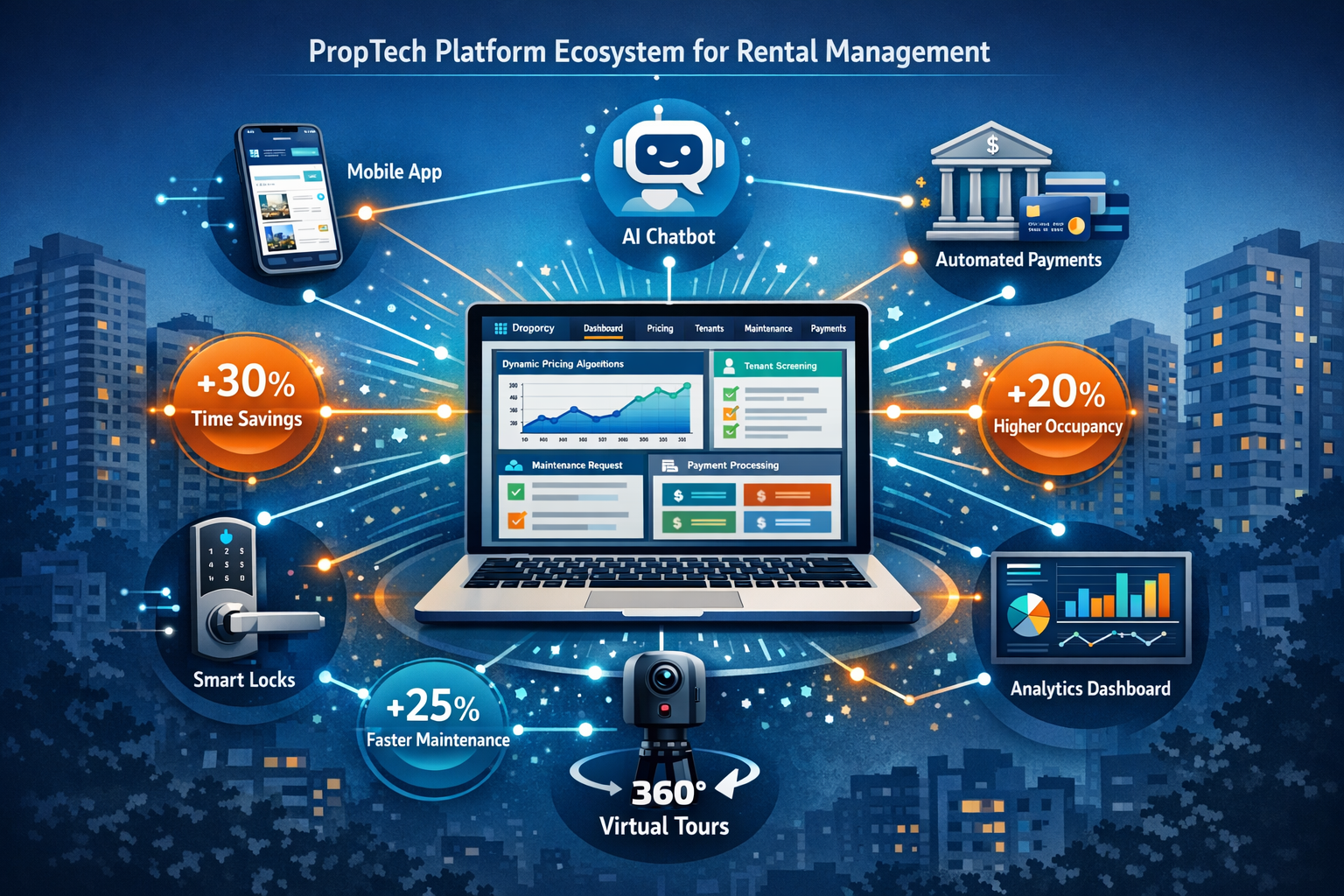
Remote property management has evolved from a convenience to a necessity for Rental Yield Optimization 2026: Tech-Driven Management for Brazil’s Suburban Apartment Surge. Modern platforms offer comprehensive solutions:
Tenant Screening and Onboarding:
- Automated background checks and credit verification
- Digital lease signing with legal compliance
- Virtual property tours reducing showing time by 60%
- Instant communication channels for prospect inquiries
Maintenance and Operations:
- Mobile apps for tenant maintenance requests
- Automated vendor dispatch and tracking
- Preventive maintenance scheduling
- Digital inspection reports with photo documentation
Financial Management:
- Automated rent collection and payment reminders
- Real-time financial reporting and analytics
- Tax documentation preparation
- Multi-property portfolio dashboards
These capabilities are particularly valuable for investors managing suburban properties from urban centers or even internationally. The growing Florianópolis market, for example, attracts investors nationwide who rely on remote management tools.
Occupancy Optimization Tools
Maintaining high occupancy rates is fundamental to maximizing rental yields. PropTech platforms provide several tools to minimize vacancy periods:
🎯 Predictive Analytics: AI-powered systems predict tenant turnover likelihood, enabling proactive retention strategies or early marketing for replacements.
📱 Multi-Channel Marketing: Automated listing distribution across major rental platforms, social media, and property websites maximizes exposure.
💬 Chatbot Technology: 24/7 automated responses to prospect inquiries increase conversion rates by responding instantly to potential tenants.
📊 Performance Benchmarking: Compare your property’s performance against similar units to identify improvement opportunities.
Properties leveraging these tools typically maintain occupancy rates above 95%, compared to 85-90% for traditionally managed properties. In high-yield suburban markets, this 5-10% occupancy improvement can translate to thousands of reais in additional annual revenue.
Flexible Lease Models: Countering Household Debt Challenges
Understanding Brazil’s Household Debt Landscape
Brazil’s household debt levels present both challenges and opportunities for rental property investors in 2026. With many families facing financial constraints, traditional rigid lease structures can limit the tenant pool and increase vacancy risk. Flexible lease models address these concerns while maintaining investor returns.
The key is designing lease structures that accommodate tenant financial realities without compromising property revenue. This approach actually enhances Rental Yield Optimization 2026: Tech-Driven Management for Brazil’s Suburban Apartment Surge by attracting reliable tenants who might otherwise be excluded from the rental market.
Payment Flexibility Options
Modern lease agreements in Brazil’s suburban markets increasingly incorporate flexible payment terms:
Graduated Payment Plans:
- Lower initial rent with scheduled increases
- Ideal for young professionals expecting salary growth
- Reduces barrier to entry while securing long-term tenants
Multiple Payment Date Options:
- Align rent due dates with tenant pay schedules
- Reduces late payments and associated friction
- Improves tenant satisfaction and retention
Partial Digital Payment Acceptance:
- Integration with PIX and digital wallets
- Installment options for deposits or first month’s rent
- Cryptocurrency payment options for tech-savvy tenants
Performance-Based Incentives:
- Rent discounts for on-time payment histories
- Lease renewal bonuses
- Referral credits for bringing quality tenants
These flexible approaches, when properly structured, don’t reduce overall yields. Instead, they improve occupancy rates and tenant quality, ultimately enhancing returns. The tax reform implications should also be considered when structuring payment terms[5].
Short-Term vs. Long-Term Lease Strategies
Suburban apartment investors in 2026 are increasingly adopting hybrid lease strategies that balance stability with flexibility:
Traditional Long-Term Leases (12+ months): ✅ Predictable income stream ✅ Lower turnover costs ✅ Easier property management ❌ Less pricing flexibility ❌ Potential for below-market rates in rising markets
Short-Term Rentals (1-6 months): ✅ Higher monthly rates (20-40% premium) ✅ Dynamic pricing opportunities ✅ Flexibility to adjust to market changes ❌ Higher vacancy risk ❌ Increased management intensity ❌ Regulatory restrictions in some areas
Hybrid Approach: The optimal strategy for many suburban properties combines both models. For example, a 3-bedroom apartment might offer:
- Primary lease: 9-month terms with renewal options
- Furnished option: Premium pricing for 3-6 month corporate rentals
- Seasonal flexibility: Adjusted terms during peak demand periods
This approach maximizes revenue while maintaining reasonable occupancy stability. Properties near growing infrastructure projects particularly benefit from flexible terms that accommodate temporary workers and relocated families.
Tenant Retention Programs
Retaining quality tenants is significantly more cost-effective than finding new ones. Successful suburban property managers implement comprehensive retention programs:
Value-Added Services:
- Complimentary annual maintenance checks
- Upgraded appliances or fixtures at renewal
- Community amenities access (gyms, pools, coworking spaces)
- Concierge services for package handling or cleaning
Communication Excellence:
- Regular property updates and improvement announcements
- Proactive maintenance scheduling
- Responsive 24-hour emergency support
- Annual tenant satisfaction surveys with action plans
Financial Incentives:
- Renewal discounts (typically 2-5% below market rate for proven tenants)
- Loyalty programs for multi-year tenants
- Referral bonuses for bringing quality neighbors
“The cost of tenant turnover—including vacancy periods, marketing, screening, and unit preparation—can easily exceed one month’s rent. Investing 2-3% of annual revenue in retention programs typically delivers 300-500% ROI.” – Brazilian Property Management Association
These strategies are particularly effective in suburban markets where community stability and word-of-mouth referrals drive long-term value appreciation alongside rental income.
Strategic Implementation for Maximum Yields
Property Selection Criteria
Achieving 7-9% yields requires strategic property selection. Not all suburban apartments deliver equal returns. Key criteria include:
Location Fundamentals:
- Proximity to major transportation corridors (15-30 minutes to urban centers)
- Access to quality schools and healthcare facilities
- Retail and entertainment infrastructure development
- Low crime rates and strong community engagement
Property Characteristics:
- Modern construction with energy-efficient features
- 2-3 bedroom configurations (highest demand in suburban markets)
- Parking availability (essential in car-dependent suburbs)
- Amenity packages competitive with area standards
Financial Metrics:
- Purchase price below R$400,000 for optimal yield potential
- Property tax and condo fees under 15% of expected rental income
- Renovation requirements minimal (under 10% of purchase price)
- Comparable rental rates supporting target yield calculations
Investors exploring pre-construction opportunities can often secure properties meeting these criteria at favorable prices with built-in appreciation potential.
Technology Stack Integration
Successful Rental Yield Optimization 2026: Tech-Driven Management for Brazil’s Suburban Apartment Surge requires assembling the right technology tools:
Essential Platform Components:
Property Management System (PMS): Central hub for all operations (examples: Propertyware, Buildium, or Brazilian platforms like Superlógica)
Dynamic Pricing Tool: AI-driven rent optimization (PriceLabs, Beyond Pricing, or local alternatives)
Tenant Screening Service: Automated background and credit checks compliant with Brazilian regulations
Maintenance Management: Request tracking and vendor coordination platform
Accounting Software: Integrated financial reporting and tax preparation
Communication Platform: Centralized tenant messaging and document sharing
Marketing Automation: Multi-channel listing distribution and lead management
Integration Best Practices:
- Select platforms with API compatibility for seamless data flow
- Prioritize mobile-friendly solutions for on-the-go management
- Ensure Brazilian regulatory compliance (LGPD data protection, rental laws)
- Implement gradual rollout to avoid operational disruption
- Train property managers thoroughly on all systems
The initial technology investment typically ranges from R$500-2,000 monthly for a 5-10 unit portfolio, but operational efficiency gains and revenue optimization quickly justify these costs.
Performance Monitoring and Optimization
Continuous improvement is essential for maintaining competitive yields. Establish robust monitoring systems:
Key Performance Indicators (KPIs):
📈 Financial Metrics:
- Gross rental yield (annual rent ÷ property value)
- Net rental yield (after all expenses)
- Occupancy rate percentage
- Average days vacant between tenants
- Maintenance cost as percentage of rent
- Tenant acquisition cost
📊 Operational Metrics:
- Average response time to maintenance requests
- Tenant satisfaction scores
- Lease renewal rate
- Rent collection efficiency
- Marketing conversion rate (inquiries to leases)
Quarterly Review Process:
- Compare actual performance against targets
- Analyze market trends and competitor positioning
- Identify improvement opportunities
- Adjust pricing, marketing, or operations accordingly
- Update financial projections and investment strategy
Properties that undergo regular optimization reviews typically achieve 12-18% higher yields than those managed with “set and forget” approaches. The dynamic Florianópolis market demonstrates how performance-focused management can capitalize on rapidly changing conditions.
Risk Mitigation and Regulatory Compliance
Legal Framework Navigation
Brazil’s rental market operates under specific legal frameworks that impact Rental Yield Optimization 2026: Tech-Driven Management for Brazil’s Suburban Apartment Surge strategies:
Key Regulatory Considerations:
⚖️ Lease Agreement Requirements: Brazilian law mandates specific clauses and tenant protections that must be included in all rental contracts.
🏛️ Eviction Procedures: Understanding the legal process for non-payment or lease violations prevents costly delays.
💰 Rent Control and Increases: Annual adjustments must follow approved indices (typically IGPM or IPCA) with proper notification periods.
📋 Property Registration: Proper documentation and registration with local authorities ensures legal protection.
🔒 Data Protection (LGPD): Tenant information must be handled according to Brazil’s data protection regulations, particularly when using PropTech platforms.
Working with qualified legal counsel familiar with local rental regulations is essential. Budget R$1,500-3,000 annually for legal review and compliance support per property.
Insurance and Financial Protection
Comprehensive insurance coverage protects rental yield optimization efforts from unexpected setbacks:
Essential Coverage Types:
- Property Insurance: Structural damage, fire, natural disasters
- Rental Income Protection: Coverage for lost rent during vacancy or tenant default
- Liability Insurance: Protection against tenant or visitor injury claims
- Legal Expense Insurance: Coverage for eviction or dispute costs
Tenant Default Protection: Many PropTech platforms now offer integrated rent guarantee products that ensure payment even when tenants default. These typically cost 3-5% of annual rent but can be invaluable for maintaining consistent cash flow.
Market Volatility Strategies
Brazil’s economic environment can experience significant fluctuations. Protect yields through diversification and flexibility:
Portfolio Diversification:
- Geographic spread across multiple suburban markets
- Mix of property types and price points
- Varied lease terms and tenant demographics
- Balance between furnished and unfurnished units
Economic Hedging:
- Fixed-rate financing to lock in costs
- Currency considerations for international investors
- Inflation-indexed lease agreements
- Emergency reserves (6-12 months operating expenses)
Properties in emerging growth areas often provide both appreciation potential and rental income stability during market fluctuations.
Future Outlook: Sustaining High Yields Through 2026 and Beyond
Emerging Technology Trends
The PropTech landscape continues evolving rapidly. Forward-thinking investors are already preparing for next-generation tools:
Artificial Intelligence Advancements:
- Predictive maintenance using IoT sensors
- AI-powered tenant matching algorithms
- Automated lease negotiation systems
- Virtual property management assistants
Blockchain Applications:
- Smart contracts for automated lease execution
- Tokenized property ownership for fractional investing
- Transparent transaction records
- Cryptocurrency payment integration
Sustainability Technology:
- Energy monitoring and optimization systems
- Solar integration and storage solutions
- Water conservation technology
- Green building certifications driving premium rents
Properties incorporating these emerging technologies position themselves for sustained competitive advantages and premium positioning in the suburban rental market.
Infrastructure Development Impact
Brazil’s ongoing infrastructure investments will continue reshaping suburban rental markets through 2026 and beyond:
Transportation Improvements:
- Metro and rail extensions connecting suburbs to urban centers
- Highway expansions reducing commute times
- Bike infrastructure and pedestrian improvements
- Electric vehicle charging networks
Digital Infrastructure:
- 5G network deployment enabling remote work
- Fiber optic expansion to suburban areas
- Smart city initiatives in growing municipalities
Social Infrastructure:
- New schools and healthcare facilities
- Shopping and entertainment developments
- Parks and recreational spaces
- Cultural venues and community centers
Investors who identify suburban areas ahead of major infrastructure completions can achieve exceptional yields combined with significant appreciation. Monitoring municipal development plans and regional growth patterns provides crucial competitive intelligence.
Demographic Shifts and Demand Evolution
Understanding evolving tenant preferences ensures sustained occupancy and yield optimization:
Changing Tenant Priorities:
- Home office space requirements (dedicated workspace or flexible rooms)
- Outdoor access (balconies, terraces, nearby parks)
- Building amenities (coworking spaces, fitness centers, package rooms)
- Sustainability features (energy efficiency, recycling programs)
- Community engagement opportunities
Target Demographic Trends:
- Young families seeking space and affordability
- Remote workers prioritizing quality of life over urban proximity
- Retirees downsizing but wanting modern amenities
- Digital nomads seeking flexible lease terms
Properties that adapt to these evolving preferences through strategic upgrades and flexible management approaches will maintain premium positioning and superior yields throughout the decade.
Conclusion
Rental Yield Optimization 2026: Tech-Driven Management for Brazil’s Suburban Apartment Surge represents a compelling opportunity for property investors seeking superior returns in an evolving market. The convergence of demographic shifts, infrastructure development, and PropTech innovation has created conditions where suburban apartments can deliver 7-9% rental yields—significantly outperforming traditional urban investments.
Success in this market requires a strategic approach combining careful property selection, technology integration, and flexible management practices. The key elements include:
✅ Strategic Location Selection: Focus on suburban markets with strong infrastructure development and connectivity to urban employment centers
✅ PropTech Platform Adoption: Implement dynamic pricing, remote management tools, and automation to maximize efficiency and revenue
✅ Flexible Lease Models: Design payment terms and lease structures that accommodate tenant financial realities while maintaining strong yields
✅ Continuous Optimization: Monitor performance metrics regularly and adjust strategies based on market conditions and tenant feedback
✅ Risk Management: Maintain proper legal compliance, insurance coverage, and portfolio diversification
Actionable Next Steps
For investors ready to capitalize on Brazil’s suburban apartment surge:
Conduct Market Research: Analyze specific suburban markets using the criteria outlined in this article, focusing on areas with 5.4%+ growth rates and strong infrastructure development
Evaluate Technology Options: Research and trial PropTech platforms suitable for your portfolio size and management style, prioritizing dynamic pricing and remote management capabilities
Develop Financial Models: Create detailed projections incorporating 7-9% target yields, accounting for all costs and using conservative occupancy assumptions
Build Professional Network: Connect with local property managers, legal advisors, and experienced developers familiar with suburban markets
Start Small and Scale: Consider beginning with one or two properties to test strategies before expanding your portfolio
Monitor and Adapt: Establish quarterly review processes to assess performance and adjust approaches based on results
The Brazilian suburban apartment market’s strong fundamentals, combined with technology-driven management approaches, position this investment strategy for sustained success through 2026 and beyond. Investors who act strategically while market conditions remain favorable can build portfolios delivering exceptional yields alongside long-term appreciation potential.
The future of rental property investment in Brazil is suburban, technology-enabled, and tenant-focused. Those who embrace these realities will be best positioned to optimize yields in this dynamic and growing market.
References
[1] Sao Paulo Rental Yields – https://thelatinvestor.com/blogs/news/sao-paulo-rental-yields
[2] Salvador Brazil Rental Yields – https://thelatinvestor.com/blogs/news/salvador-brazil-rental-yields
[3] Florianopolis Rental Yields – https://thelatinvestor.com/blogs/news/florianopolis-rental-yields
[4] Rental Yields – https://www.globalpropertyguide.com/latin-america/brazil/rental-yields
[5] Brazil Tax Reform Rental Income Investors Landlords – https://www.oabitat.com/en/brazil-tax-reform-rental-income-investors-landlords/