

Brazil’s federal government has committed $7.4 billion exclusively to the Reforma Casa Brasil program in 2026, marking the largest single-year investment in urban housing retrofits in the nation’s history.[4] This unprecedented funding allocation, combined with an additional $39.8 billion across all housing initiatives, creates a transformative opportunity for property developers willing to pivot from ground-up construction to strategic urban rehabilitation projects.[4] For developers targeting mid-tier markets, understanding Reforma Casa Brasil 2026: Urban Retrofit Strategies for Property Developers in Mid-Tier Markets isn’t just beneficial—it’s essential for capturing market share in an election year where housing policy takes center stage.

Key Takeaways
✅ Record Investment: $7.4 billion dedicated specifically to Reforma Casa Brasil in 2026, with total housing program funding reaching $39.8 billion[4]
✅ Urban Focus Shift: The program prioritizes rehabilitation of existing urban structures over new construction, creating opportunities in established neighborhoods
✅ Mid-Tier Market Advantage: Secondary cities and mid-tier markets offer lower entry costs and higher yield potential compared to saturated primary markets
✅ Material Demand Surge: Steel, aluminum, and construction materials will see increased demand, affecting project budgeting and timeline planning[4]
✅ Enhanced Standards: New environmental and urban planning requirements elevate quality expectations while addressing past infrastructure criticisms[2]
Understanding the Reforma Casa Brasil 2026 Program Framework
The Reforma Casa Brasil initiative represents a fundamental shift in Brazilian housing policy. Unlike traditional programs focused on building new developments from scratch, this program targets families already living in urban areas who need to improve their existing housing conditions.[4] For property developers, this creates a distinct value proposition: working with established communities, existing infrastructure, and proven demand patterns.
Program Structure and Funding Sources
The $7.4 billion allocated to Reforma Casa Brasil comes from two primary sources: the Social Fund and Caixa Econômica Federal, Brazil’s state-owned development bank.[4] This dual-funding approach provides stability and accessibility for developers seeking project financing. The program operates alongside the established Minha Casa Minha Vida (MCMV) initiative, creating complementary pathways for different development strategies.
Key Program Components:
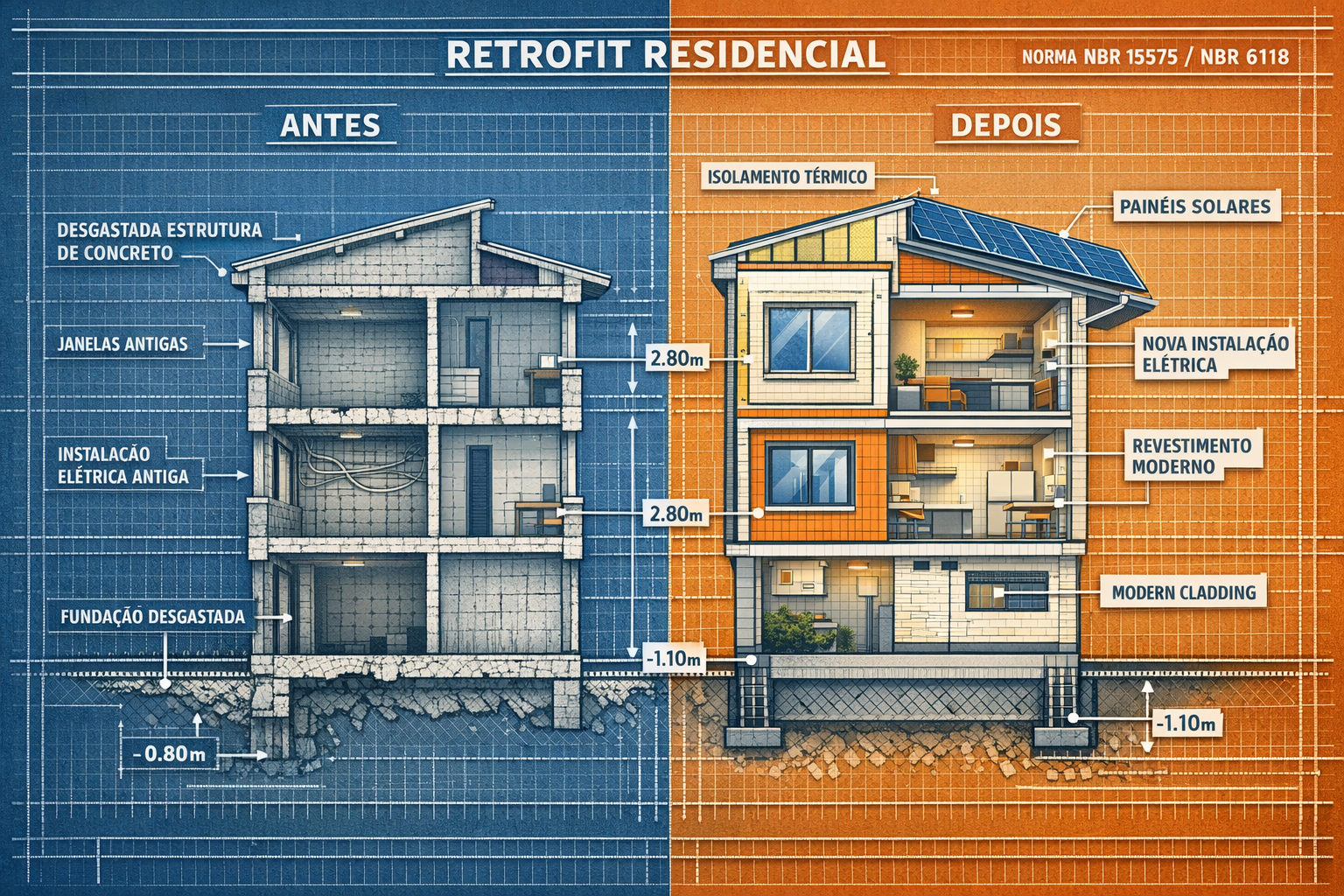
- 🏗️ Structural Rehabilitation: Foundation repairs, roof replacements, and load-bearing wall reinforcement
- ⚡ Systems Modernization: Electrical, plumbing, and HVAC upgrades to meet current building codes
- 🌱 Energy Efficiency: Insulation installation, window replacement, and renewable energy integration
- 🏘️ Accessibility Improvements: Ramps, elevators, and universal design elements for aging populations
- 🎨 Aesthetic Enhancements: Facade restoration, common area improvements, and neighborhood beautification
Election Year Dynamics and Market Timing
2026 marks the first time Reforma Casa Brasil operates during an election year, creating unique political and economic pressures that favor rapid project deployment.[4] Government agencies face incentives to demonstrate tangible results, potentially streamlining approval processes and accelerating funding disbursements. Developers who position themselves early can capitalize on this expedited timeline.
For those exploring investment opportunities in Brazil’s property market, understanding these political dynamics becomes crucial for timing market entry and securing favorable financing terms.
Reforma Casa Brasil 2026: Urban Retrofit Strategies for Property Developers in Mid-Tier Markets—Why Secondary Cities Matter
While São Paulo and Rio de Janeiro dominate headlines, mid-tier markets present superior risk-adjusted returns for retrofit projects. Cities with populations between 200,000 and 1 million residents offer established urban infrastructure, lower land costs, and growing middle-class populations seeking quality housing improvements.
Identifying High-Potential Mid-Tier Markets
The most attractive markets for Reforma Casa Brasil projects share several characteristics:
Market Selection Criteria:
| Factor | Ideal Characteristics | Why It Matters |
|---|---|---|
| Population Growth | 1.5-3% annual increase | Sustained housing demand |
| Economic Diversity | Multiple industry sectors | Resilience against economic shocks |
| Infrastructure Investment | Recent or planned upgrades | Enhanced property values |
| Housing Stock Age | 20-40 years old | Optimal retrofit candidates |
| Regulatory Environment | Streamlined permitting | Faster project completion |
Cities experiencing growth in sectors like technology, education, and regional commerce tend to attract middle-income families—the exact demographic targeted by Reforma Casa Brasil. Regions like Florianópolis and surrounding areas exemplify this trend, combining quality of life improvements with infrastructure development that supports property value appreciation.
Competitive Advantages in Secondary Markets
Lower Acquisition Costs: Property acquisition in mid-tier markets typically costs 40-60% less than comparable assets in primary markets, allowing developers to allocate more capital toward value-adding improvements.
Reduced Competition: Major developers often overlook secondary cities, creating opportunities for nimble operators to establish market leadership before institutional capital arrives.
Community Engagement: Smaller markets facilitate stronger relationships with local governments, community organizations, and residents—critical for successful retrofit projects that require occupant cooperation.
Higher Yield Potential: With lower entry costs and comparable rental rates to larger cities (adjusted for local purchasing power), mid-tier markets often deliver superior cash-on-cash returns.
The transformation of regional markets demonstrates how strategic development in secondary cities can generate outsized returns while contributing to broader urban improvement goals.
Technical Strategies for Urban Retrofit Projects Under Reforma Casa Brasil 2026
Successful implementation of Reforma Casa Brasil 2026: Urban Retrofit Strategies for Property Developers in Mid-Tier Markets requires mastering specific technical approaches that differ significantly from ground-up construction.
Pre-Acquisition Due Diligence
Structural Assessment Protocols: Before acquiring retrofit candidates, conduct comprehensive structural evaluations including:
- Foundation integrity testing using ground-penetrating radar
- Load-bearing capacity analysis for potential reconfiguration
- Material testing for concrete strength and rebar condition
- Environmental hazard screening (asbestos, lead paint, mold)
- Utility infrastructure age and capacity evaluation
Regulatory Compliance Mapping: Enhanced environmental and urban planning standards now apply to housing programs, addressing past criticisms about infrastructure quality.[2] Developers must verify:
- Current zoning compliance and potential variances needed
- Historic preservation restrictions in older neighborhoods
- Energy efficiency requirements under updated building codes
- Accessibility standards for universal design implementation
- Environmental impact assessment requirements
Material Selection and Supply Chain Management
The Reforma Casa Brasil program drives increased demand for steel and aluminum, both critical materials in housing renovation projects.[4] This demand surge creates supply chain challenges that require proactive management.
Strategic Material Sourcing:
🔧 Steel Products: Reinforcement bars, structural beams, and framing systems face price volatility. Consider long-term supply agreements and alternative suppliers.
🔩 Aluminum Components: Window frames, door systems, and cladding materials. Domestic production capacity may constrain availability during peak construction seasons.
🧱 Drywall and Finishing Materials: Latin America’s drywall market is experiencing growth driven by construction activity, with Brazil representing a significant portion of regional demand.[5] Early procurement locks in pricing.
🌿 Sustainable Materials: Preference for eco-friendly options aligns with enhanced environmental standards and appeals to middle-income buyers seeking modern amenities.
Phased Renovation Methodology
Unlike new construction, retrofit projects often occur while buildings remain partially occupied, requiring sophisticated project management:
Phase 1—Critical Systems (Months 1-3)
- Structural repairs and foundation work
- Electrical and plumbing infrastructure upgrades
- Roof replacement and waterproofing
Phase 2—Energy Efficiency (Months 4-6)
- Insulation installation in walls and ceilings
- Window and door replacement
- HVAC system modernization
Phase 3—Interior Improvements (Months 7-9)
- Unit-level renovations (kitchens, bathrooms)
- Flooring replacement and interior finishes
- Accessibility modifications
Phase 4—Exterior and Common Areas (Months 10-12)
- Facade restoration and painting
- Landscaping and outdoor spaces
- Common area amenities and security systems
This phased approach minimizes disruption while maintaining cash flow from occupied units, a critical consideration for developers focused on sales performance and project velocity.
Financial Modeling and ROI Optimization for Reforma Casa Brasil Projects

Understanding the financial mechanics of retrofit projects separates successful developers from those who struggle with unexpected costs and timeline overruns.
Capital Structure and Financing Options
Government-Backed Financing: Caixa Econômica Federal provides favorable terms for Reforma Casa Brasil projects, including:
- Lower interest rates compared to commercial construction loans
- Extended repayment periods (15-20 years)
- Reduced down payment requirements (10-20% versus 25-35% for conventional projects)
- Potential for subordinated debt structures that improve equity returns
Blended Capital Approaches: Sophisticated developers combine multiple funding sources:
- 40-50% government-backed debt from Caixa Econômica Federal
- 20-30% senior commercial debt for gap financing
- 20-30% developer equity or joint venture capital
- 10% mezzanine financing for value-add components
This structure optimizes leverage while maintaining manageable debt service coverage ratios.
Cost Control and Value Engineering
Benchmark Retrofit Costs (per square meter, mid-tier markets):
- Light Renovation: R$800-1,200 (cosmetic updates, minor repairs)
- Moderate Retrofit: R$1,500-2,200 (systems upgrades, structural improvements)
- Comprehensive Rehabilitation: R$2,500-3,500 (full gut renovation, reconfiguration)
Value Engineering Priorities:
- Focus on High-Impact, Low-Cost Improvements: Fresh paint, modern lighting, and updated fixtures deliver disproportionate perceived value
- Standardize Specifications: Bulk purchasing power reduces per-unit costs by 15-25%
- Leverage Existing Infrastructure: Preserve functional systems rather than wholesale replacement
- Modular Solutions: Prefabricated bathroom pods and kitchen units reduce installation time and labor costs
Revenue Optimization Strategies
Unit Mix Reconfiguration: Retrofit projects offer opportunities to modify unit layouts for current market demand. Converting large, outdated apartments into smaller, modern units can increase total revenue per building by 20-35%.
Amenity Upgrades: Middle-income buyers increasingly expect amenities previously reserved for luxury developments:
- Coworking spaces and business centers
- Fitness facilities and wellness areas
- Package rooms and smart building technology
- Outdoor gathering spaces and green areas
These additions command rental premiums of 8-15% while differentiating properties in competitive markets.
Phased Occupancy Models: Maintaining partial occupancy during renovation generates cash flow that offsets carrying costs. Strategic unit sequencing allows 40-60% occupancy throughout the project, reducing negative cash flow periods.
For developers considering pre-construction investment strategies, retrofit projects offer a complementary approach with shorter timelines and reduced market risk.
Regulatory Navigation and Compliance in the Reforma Casa Brasil Framework
Enhanced environmental and urban planning standards represent both challenge and opportunity for developers committed to quality outcomes.[2] Understanding these requirements prevents costly delays and positions projects for premium market positioning.
Environmental Compliance Requirements
Energy Performance Standards: Buildings receiving Reforma Casa Brasil funding must meet minimum energy efficiency thresholds:
- Thermal insulation R-values appropriate to climate zone
- Window U-factors and solar heat gain coefficients
- HVAC efficiency ratings (minimum SEER 14 for cooling systems)
- Lighting power density limits and LED adoption
Water Conservation Measures: Mandatory low-flow fixtures, rainwater harvesting systems for irrigation, and greywater recycling for larger developments.
Waste Management Protocols: Construction waste diversion targets (typically 65-75% recycling/reuse) and documentation requirements for material disposal.
Urban Planning Integration
The program addresses past criticisms about housing developments lacking adequate infrastructure by requiring:
- Transportation Access: Proximity to public transit or demonstrated pedestrian connectivity
- Community Services: Access to schools, healthcare, and commercial services within reasonable distance
- Green Space Requirements: Minimum open space ratios and urban forestry integration
- Stormwater Management: On-site retention and treatment systems to reduce infrastructure burden
These requirements align with sustainable urban development principles while ensuring projects contribute positively to neighborhood quality.
Permitting Strategy and Timeline Management
Pre-Application Consultation: Engage municipal planning departments early to identify potential obstacles and secure preliminary feedback on project concepts.
Concurrent Review Processes: Submit applications for multiple permits simultaneously rather than sequentially to compress approval timelines by 30-40%.
Community Engagement: Proactive outreach to neighborhood associations and local stakeholders reduces opposition and demonstrates commitment to community benefit—a factor increasingly considered in permit decisions.
Professional Team Assembly: Engage experienced local architects, engineers, and expediters familiar with municipal processes and relationships with key decision-makers.
Market Positioning and Exit Strategies for Mid-Tier Retrofit Projects
Successful Reforma Casa Brasil 2026: Urban Retrofit Strategies for Property Developers in Mid-Tier Markets extend beyond construction completion to encompass strategic market positioning and value realization.
Target Buyer Profiles
Primary Market Segments:
Young Professionals (Ages 28-40): Seeking modern amenities, proximity to employment centers, and move-in ready conditions. Prioritize technology integration, contemporary design, and community spaces.
Growing Families: Value space efficiency, safety features, and access to quality schools. Willing to pay premiums for child-friendly amenities and neighborhood stability.
Empty Nesters Downsizing: Desire low-maintenance living, accessibility features, and quality finishes. Often cash buyers or requiring minimal financing.
Remote Workers: Increasingly location-flexible, seeking quality of life improvements in mid-tier markets with lower cost of living. Require dedicated workspace and reliable connectivity.
Understanding these segments allows targeted unit configurations and amenity packages that maximize absorption rates and pricing power.
Marketing and Sales Strategies
Digital-First Approach: Mid-tier markets increasingly mirror primary city digital adoption. Comprehensive online presence including virtual tours, 3D renderings, and social media engagement drives qualified leads.
Before/After Storytelling: Retrofit projects offer compelling visual narratives. Document transformation processes through photography and video to demonstrate value creation and build buyer confidence.
Community Integration Messaging: Emphasize neighborhood improvement, local economic contribution, and community partnership to differentiate from impersonal large-scale developments.
Flexible Financing Partnerships: Collaborate with local banks and credit unions to offer streamlined mortgage processes and competitive rates that reduce buyer friction.
The performance-driven sales approaches transforming primary markets increasingly apply to secondary cities as digital tools democratize access to sophisticated marketing techniques.
Exit Strategy Optimization
Stabilized Asset Sale: Hold completed projects for 12-24 months to demonstrate operational performance, then sell to institutional buyers or REITs seeking stabilized income-producing assets. This approach typically yields 15-25% higher valuations than immediate post-completion sales.
Unit-by-Unit Retail Sales: Maximize total proceeds by selling individual units to owner-occupants. Requires longer timeline (18-36 months) but often produces 20-30% higher aggregate value than bulk sales.
Portfolio Aggregation: Develop multiple retrofit projects simultaneously in the same market, then package as a portfolio for institutional sale. Economies of scale in management and marketing improve individual asset performance while creating attractive acquisition targets for larger investors.
Refinance and Hold: For projects generating strong cash flow, permanent financing at stabilized valuations allows capital recovery while maintaining long-term ownership and appreciation potential.
Risk Mitigation and Contingency Planning
Retrofit projects carry distinct risk profiles compared to ground-up construction, requiring specialized mitigation strategies.
Common Risk Factors and Mitigation Approaches
Hidden Structural Issues: Budget 10-15% contingency specifically for unforeseen structural problems discovered during demolition. Pre-acquisition invasive testing reduces but doesn’t eliminate this risk.
Occupant Coordination Challenges: For projects with partial occupancy, establish clear communication protocols, dedicated tenant liaisons, and incentive programs for cooperation. Budget additional time (15-20%) for occupied building logistics.
Material Price Volatility: With increased demand for steel and aluminum driven by Reforma Casa Brasil,[4] lock in pricing through forward contracts or alternative material specifications that provide flexibility.
Regulatory Changes: Election year dynamics create policy uncertainty. Structure contracts with escalation clauses tied to regulatory changes and maintain relationships with industry associations monitoring legislative developments.
Market Absorption Risk: Mid-tier markets may have limited buyer pools. Conduct thorough demand analysis and consider phased delivery that matches market absorption capacity rather than flooding inventory.
Insurance and Legal Protections
Builder’s Risk Insurance: Comprehensive coverage including existing structure protection, not just new work. Retrofit projects require specialized policies addressing unique exposures.
Professional Liability: Ensure architects and engineers carry adequate errors and omissions coverage given the complexity of working with existing structures.
Environmental Liability: Secure pollution legal liability insurance covering pre-existing conditions discovered during renovation.
Title Insurance: Enhanced coverage addressing potential ownership disputes, liens, or encumbrances on older properties.
Conclusion: Capitalizing on Brazil’s Urban Retrofit Revolution
The Reforma Casa Brasil 2026: Urban Retrofit Strategies for Property Developers in Mid-Tier Markets represents a generational opportunity for developers willing to adapt traditional new construction expertise to urban rehabilitation contexts. With $7.4 billion in dedicated funding,[4] favorable election-year dynamics, and growing demand for quality housing in secondary cities, the conditions for success have never been stronger.
Immediate Action Steps for Developers:
Market Selection: Identify 3-5 mid-tier markets meeting the criteria outlined above, focusing on cities with population growth, economic diversity, and aging housing stock
Team Assembly: Recruit or partner with professionals experienced in retrofit projects, including structural engineers, environmental consultants, and local permitting specialists
Financing Relationships: Establish connections with Caixa Econômica Federal representatives and explore government-backed financing options before property acquisition
Pipeline Development: Build a portfolio of potential acquisition targets through off-market outreach to property owners in target neighborhoods
Pilot Project: Begin with a smaller-scale project (20-40 units) to develop processes, refine cost models, and establish market presence before scaling
Industry Engagement: Join regional developer associations and participate in Reforma Casa Brasil information sessions to stay current on program evolution and best practices
The shift from new construction to urban retrofit requires new skills and perspectives, but developers who master these strategies will find themselves positioned at the forefront of Brazil’s housing transformation. Mid-tier markets offer the ideal testing ground—lower risk, higher returns, and meaningful community impact that extends beyond individual projects.
For developers ready to explore these opportunities, connecting with experienced development partners who understand both local market dynamics and national program requirements can accelerate the learning curve and reduce execution risk.
The Reforma Casa Brasil program isn’t just about renovating buildings—it’s about revitalizing communities, creating value, and positioning forward-thinking developers for sustained success in Brazil’s evolving real estate landscape. The question isn’t whether to participate, but how quickly you can mobilize to capture market share before competition intensifies.
References
[1] Neofeed – neofeed.com.br
[2] Brazil Real Estate Market Trends 2026 – riotimesonline.com
[3] Brazils Government Sets Target Of Building Two Million Affordable Homes By 2026 – caribbeannewsglobal.com
[4] Brazils Construction Sector 2026 Housing Programs Support Rates High Risks Persist – fastmarkets.com
[5] Latin America Drywall Market Report – marknteladvisors.com
[6] 02 6 Tsb Cnae F En – gov.br